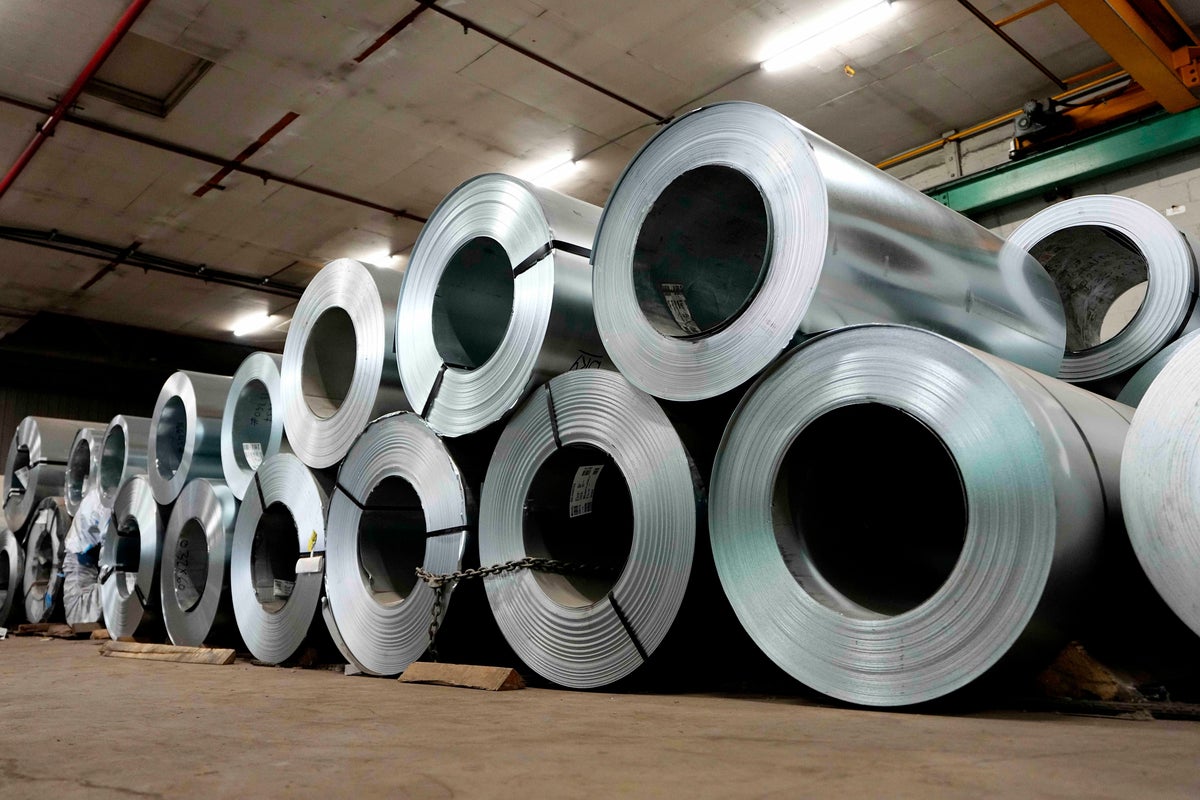
Canada struck back against the United States with targeted retaliatory tariffs, escalating a bilateral trade dispute that threatens to fracture decades of integrated supply chains. Ottawa implemented dollar-for-dollar counter-measures on billions of dollars in American goods after Washington imposed protectionist duties on Canadian steel and aluminum. This escalation moves past rhetorical posturing and hits corporate balance sheets on both sides of the border. Manufacturers, agricultural producers, and consumers now bear the immediate cost of political brinkmanship.
Trade wars follow a predictable trajectory. Protectionist impulses in Washington trigger immediate nationalist reactions in Ottawa, setting off a cycle where economic collateral damage accumulates out of sight until inflation metrics and supply bottlenecks force a reckoning.
The Anatomy of a Bilateral Breakdown
Trade relationships rarely fracture overnight. Decades of free trade agreements built a deeply intertwined manufacturing ecosystem where raw materials cross international borders multiple times before final assembly. A single car door might start as Canadian iron ore, get smelted in an American mill, stamped in Ontario, and finally bolted onto a chassis in Michigan.
When tariffs disrupt this flow, the economic friction multiplies. Tariffs act as a tax paid not by the exporting country, but by the domestic importers and manufacturers who rely on those inputs.
- Supply Chain Disruption: Automotive and aerospace assembly lines face immediate cost spikes.
- Consumer Price Inflation: Retail goods face price adjustments to offset administrative and duty burdens.
- Currency Volatility: The Canadian dollar reacts sensitively to trade friction, shifting import purchasing power overnight.
Canadian policymakers selected targeted targets deliberately. By focusing counter-tariffs on products originating from politically sensitive congressional districts in the United States, Ottawa aimed to pressure domestic American politicians into lobbying the White House for a ceasefire.
Winners and Losers in the Customs Ledger
Every tariff creates artificial winners and sheltered losers. Domestic industries sheltered by import duties experience a temporary windfall. Steel mills in the American Rust Belt cheered the initial protectionist measures, viewing them as a shield against foreign overcapacity.
That celebration ignores the downstream reality. For every job protected in a primary metal foundry, multiple jobs face peril in downstream manufacturing sectors that must pay inflated prices for their raw materials.
Tariffs are a tax on domestic efficiency disguised as economic patriotism. When you penalize the inputs your own factories need to compete globally, you export your market share to competitors in Europe and Asia who face no such restrictions.
Consider the agricultural sector. American farmers, particularly soybean and pork producers, frequently find themselves on the front lines of retaliatory trade battles. When Canada places punitive duties on agricultural imports, traditional export markets dry up in weeks. Storage bins fill to capacity. Commodity prices drop locally while international buyers simply source their food from South America or Europe.
The Broader Geopolitical Reality
This trade skirmish occurs against a backdrop of shifting global alliances and supply chain re-shoring. Policymakers in North America increasingly prioritize supply chain security over pure economic efficiency. National security justifications now shield domestic industries from foreign competition with alarming frequency.
Yet, treating a trusted neighbor and primary trading partner like a security threat produces diminishing returns. Canada purchases more American goods than any other nation except China, and often surpasses that market depending on annual trade balances. Restricting this commerce damages domestic export engines under the banner of economic defense.
Businesses large and small are adjusting to a permanent state of trade volatility. Long-term capital expenditure plans require stability. When the rules of international commerce change based on shifting political moods, corporate treasurers hold cash rather than investing in new plant capacity.
The immediate resolution to this dispute remains obscured by political calcification. Neither capital nor labor benefits from prolonged trade hostility. As administrative costs mount and supply chains adapt to permanent friction, the true bill for this escalation comes due on factory floors and grocery store checkout lines across North America