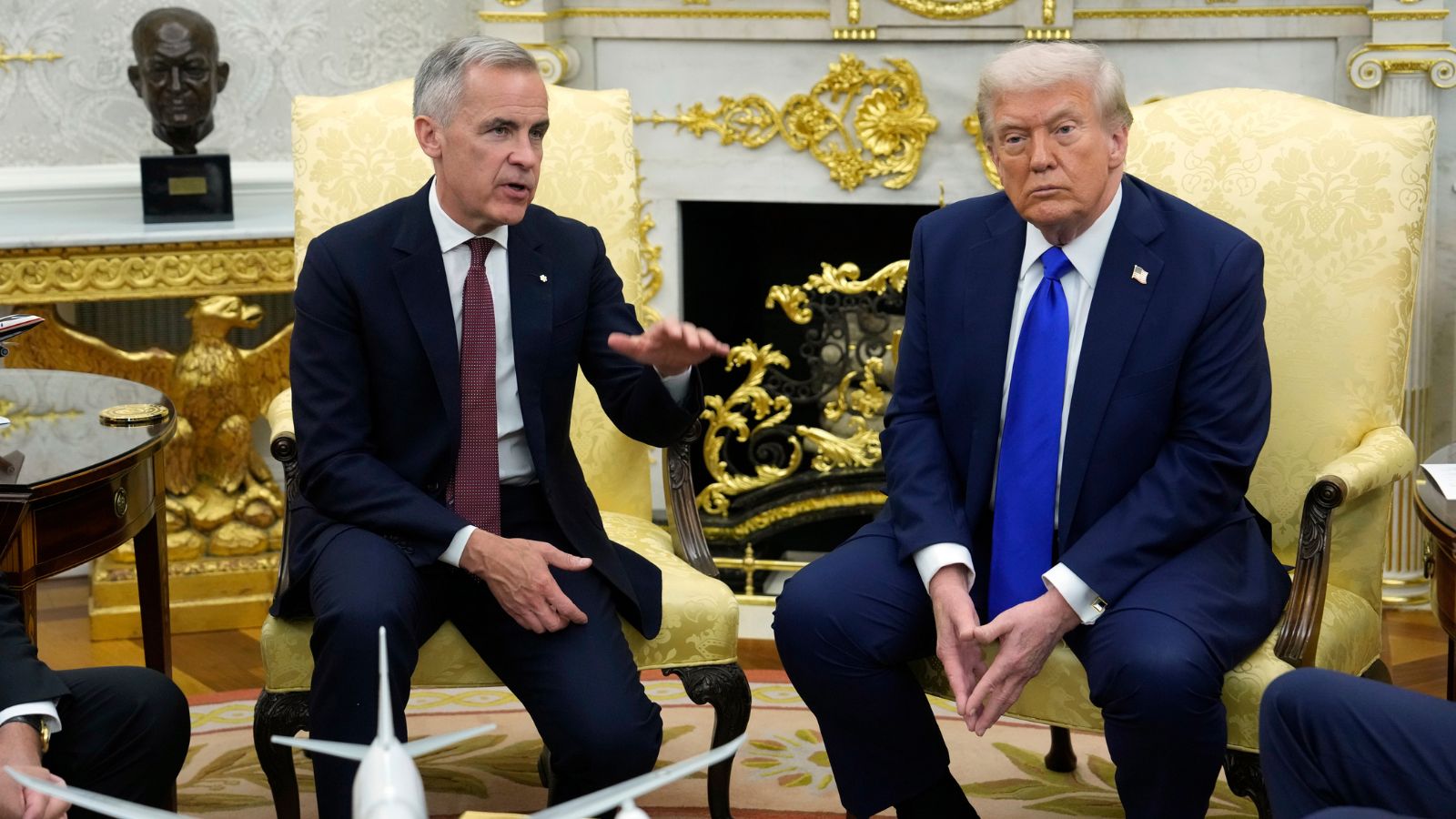
The longest-standing alliance in North America is cracking right down the middle. If you thought trade disputes were just boring policy arguments for economists, the current war of words between Washington and Ottawa proves otherwise. President Donald Trump told Canadian leaders to fall in line or face harsher economic penalties, and Prime Minister Mark Carney fired back by refusing to treat his country like a corporate subsidiary.
This isn't just political theater. It's a fundamental breakdown of a multi-trillion-dollar economic relationship that affects everything from the car in your driveway to the electricity heating your home.
How the Trade Talks Collapsed
Things fell apart quickly after high-stakes negotiations in Washington hit a brick wall. Canadian officials walked away from the table late Friday, citing last-minute demands from the American side that crossed red lines. Prime Minister Carney pointed out that the U.S. proposals effectively aimed to dismantle major Canadian manufacturing sectors, including autos and steel.
Washington saw it differently. U.S. trade representatives argued that Canada simply wanted too much while refusing to finalize terms that had been laid out earlier in the week.
The immediate fallout was severe. The U.S. moved forward with 50 percent tariffs on roughly twenty billion dollars worth of Canadian goods. In response, Ottawa prepared targeted retaliatory measures designed to shield domestic workers rather than just matching every U.S. dollar with a Canadian one.
The Auto Sector Caught in the Crossfire
Automotive manufacturing sits directly at ground zero of this economic collision. The supply chain between Michigan, Ontario, and surrounding regions has spent decades building an integrated system where car parts cross the border multiple times before a vehicle rolls off the assembly line.
Trump warned of pushing vehicle and auto part tariffs even higher heading into next year, accusing Canada of taking advantage of American farmers for years with steep agricultural protections. Carney countered that trying to wedge apart the auto industry will only destroy decades of shared industrial success.
Ontario Premier Doug Ford didn't hold back either, leaning into a defiant stance that surprised few who know his blunt political style. Ford made it clear that Ontario is ready for economic hardship if it means pushing back against American pressure.
Everything is on the Table
When political leaders start talking about energy grids and critical minerals, the stakes change entirely. Ford threatened to use provincial leverage, pointing out that Ontario supplies electricity to millions of homes and businesses across the border in states like Michigan, New York, and Minnesota. Critical minerals—vital for defense manufacturing and modern electronics—are also being floated as strategic retaliatory tools.
Past disputes saw Ontario levy temporary surcharges on electricity exports, and reviving those tactics could cause immediate pain for U.S. border states. Personal insults have also flown freely on social media, turning a policy standoff into a bitter personal feud between heads of state and regional leaders.
Businesses on both sides of the border are now scrambling to adjust supply chains, reroute shipments, and prepare for higher costs on everyday goods. If you run a business relying on cross-border logistics, don't wait for a resolution to update your risk models. Audit your supplier contracts today, identify single points of failure tied to cross-border manufacturing, and build pricing buffers before the next round of tariffs hits your bottom line.