The headlines following the devastating late-August flash floods in the Himalayas paint a picture of total national ruin, causing a massive wave of immediate trip cancellations from anxious tourists worldwide. But international tour operators and local experts are pushing back hard against the panic, pointing out a stark reality that mainstream media reports often blur together: Nepal is a diverse geographical landscape, and shutting the door on the entire country hurts the very communities trying to rebuild.
If you are holding a ticket to Kathmandu or planning a trek this season, you are probably wondering whether it is safe, ethical, or even possible to travel there right now. Let's look past the blanket panic and examine what is actually happening on the ground.
The Reality of the Damage Versus Blanket Cancellations
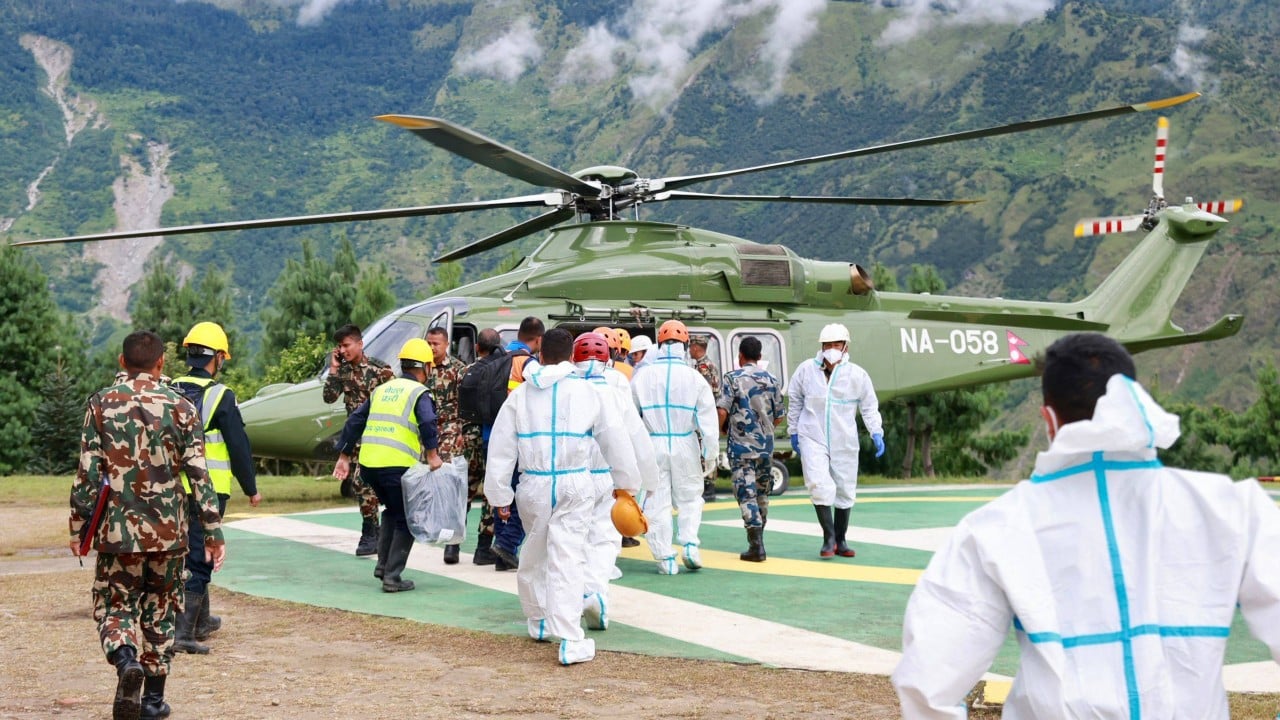
When catastrophic flash floods and mudslides tore through northern border corridors like Rasuwagadhi and parts of the Trishuli River basin, the scale of the tragedy was immense. Search and rescue operations have worked through thick, tar-like mud to locate survivors and victims, and remote mountain routes near the Tibet border suffered severe infrastructure loss.
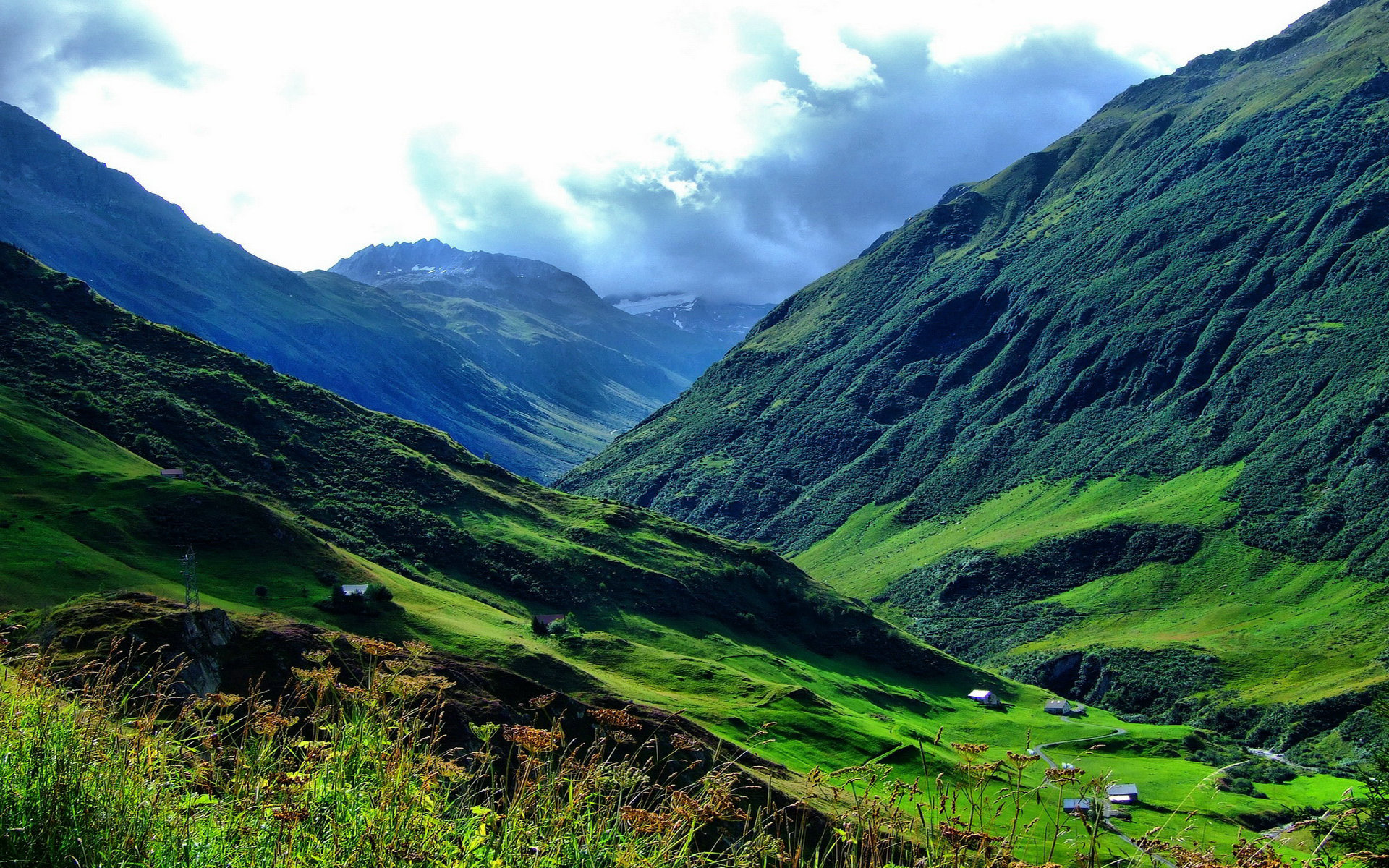
However, treating Nepal as a single monolithic danger zone is a major mistake. Major cultural hubs, historical heritage sites, and massive portions of the country remain entirely untouched and fully operational. Iconic destinations like Kathmandu's historic squares, the lakeside city of Pokhara, and heritage zones in Patan, Bhaktapur, and Lumbini are safe for visitors and operating normally.
Major adventure companies like Intrepid Travel and Explore Worldwide have confirmed that while northern border routes require major itinerary shifts or temporary suspensions, their broader operations across the country continue safely. Blanketing the entire nation with cancellation notices punishes regions hundreds of miles away from the flood zones that rely entirely on tourism revenue to survive.
How the Tourism Ecosystem Sustains Recovery
Tourism is the financial lifeblood of Nepal. When travelers instantly pull the plug on upcoming autumn and winter vacations out of generalized fear, local porters, tea-house owners, family-run guesthouses, and independent guides face a secondary economic disaster.
Major tour operators have launched emergency relief funds—partnering with organizations like the Red Cross to supply clean water, temporary shelter, and medical aid—while simultaneously urging travelers not to abandon the destination entirely. Keeping travel alive in safe regions provides stable employment and cash flow precisely when communities need it most.
If your itinerary takes you through unaffected regions, going ahead with your trip or rescheduling specific trekking routes rather than canceling outright makes a tangible difference. You are supporting local families who have zero other sources of income.
Smart Steps for Visiting Nepal This Season
You don't need to walk blindly into a compromised region, but you also shouldn't surrender to social media panic. If you plan to travel to Nepal in the coming months, keep a few practical strategies in mind:
- Verify your specific route: Do not rely on broad national headlines. Work directly with your local agency or international tour operator to check the exact status of your trekking path or regional itinerary.
- Build in itinerary flexibility: Keep your schedule adaptable. Weather patterns and road repairs can require spontaneous detours, so maintain a patient, flexible mindset.
- Support local relief efforts: Choose operators that actively contribute to community-led rebuilding funds or direct their proceeds toward grassroots recovery projects.
- Register with your embassy: Always keep your travel details updated with your home country's foreign office before heading into remote Himalayan districts.
Nepal is navigating a painful and complex recovery, but the nation is open, resilient, and deeply dependent on responsible travelers who refuse to look away.