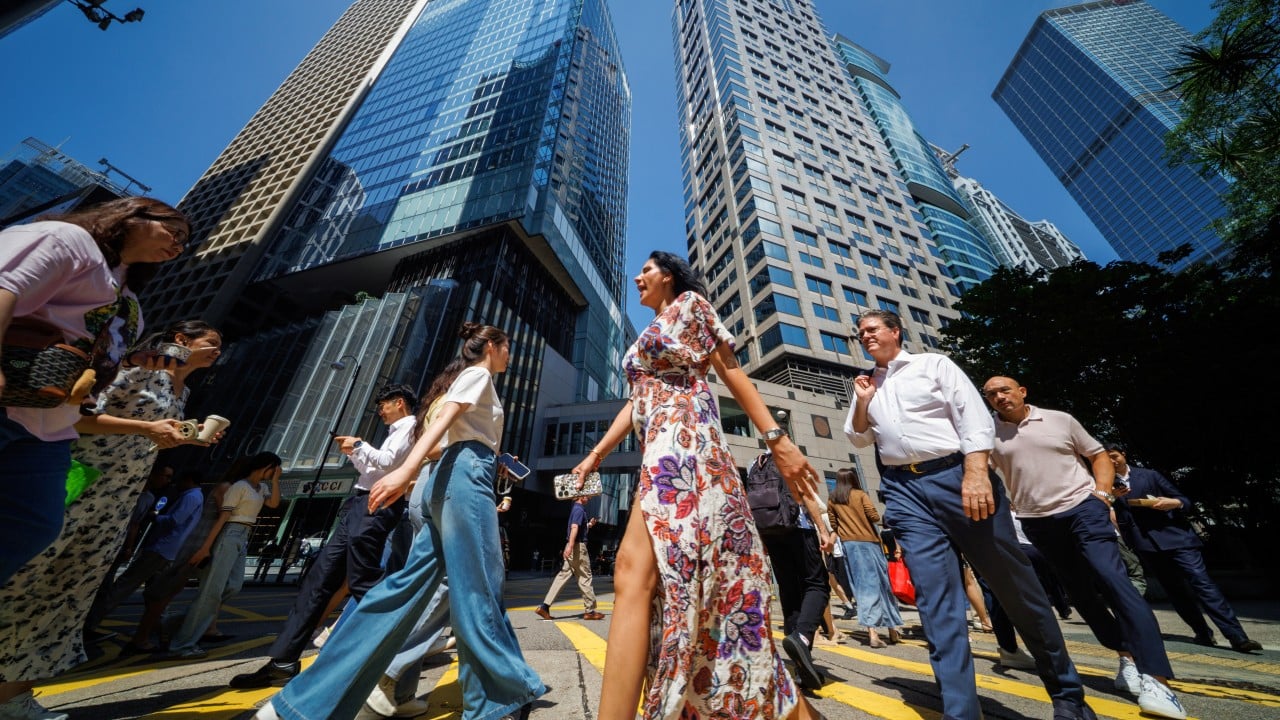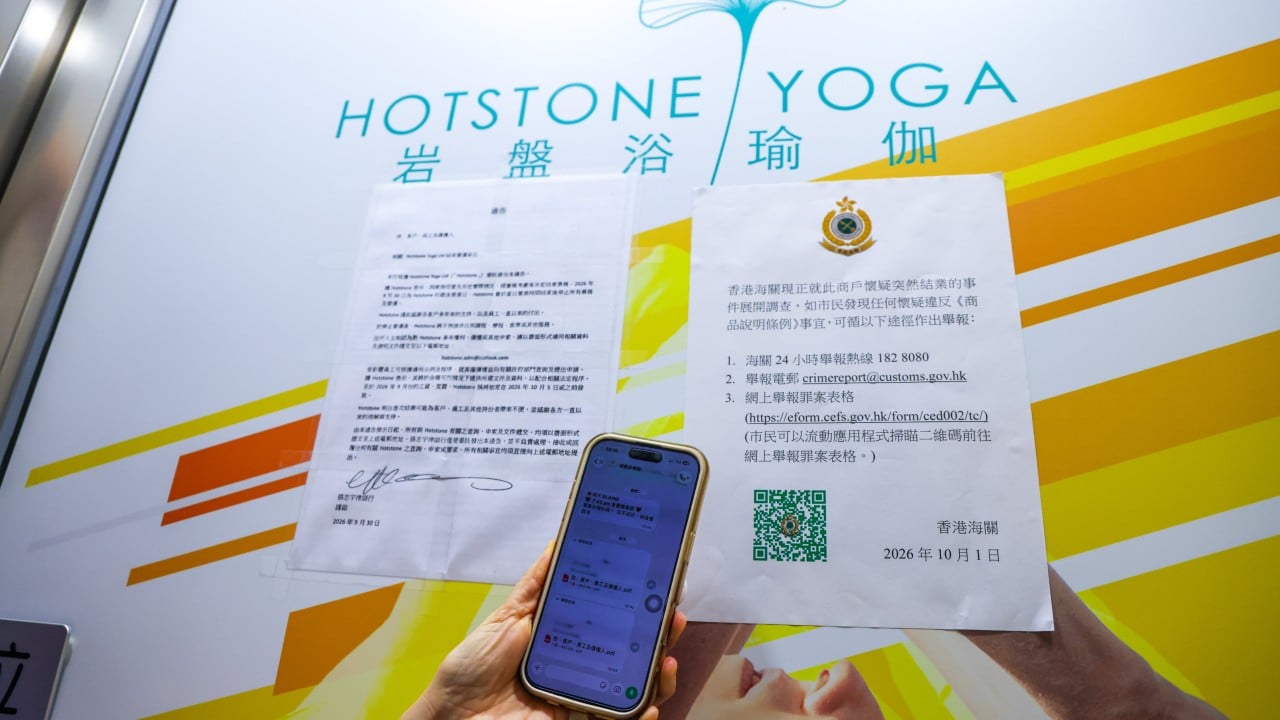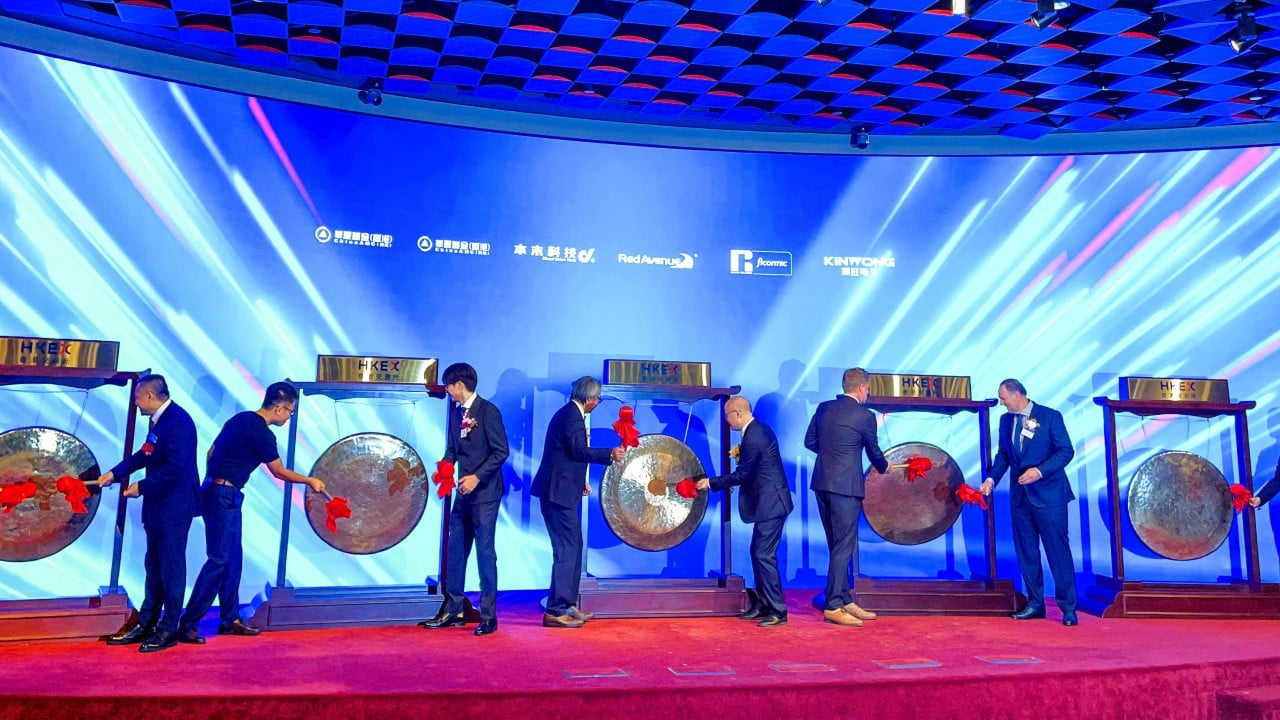
Capital does not panic quietly. When markets freeze, they freeze from the top down, hardening first in the executive suites of Central and radiating outward through the financial arteries of the Pearl River Delta. Hong Kong initial public offerings are stalling out, Beijing is throwing every policy instrument at the property crisis to keep distressed developers afloat, and Brussels is tightening trade restrictions with a quiet determination. These three threads are not separate headlines on a Bloomberg terminal. They are symptoms of a single, systemic realignment in global liquidity and state capitalism.
For decades, the engine room of Asian finance ran on a predictable combustion cycle. Mainland Chinese enterprises used Hong Kong as an international tollbooth, raising Western capital against domestic growth stories while real estate developers leveraged endless land sales to fund secondary expansion. That engine is seizing. The collapse of primary listings on the Hong Kong Stock Exchange is not merely a cyclical lull tied to global interest rates. It is a profound structural rejection of risk pricing under tightening regulatory control. When public equity markets fail to provide realistic valuations, the entire liquidity model breaks down.
The Valuation Chasm in Hong Kong
Public markets in the Special Administrative Region are suffering from an acute price discovery failure. Institutional investors sitting in London, New York, and Singapore are no longer willing to apply Western valuation multiples to companies whose governance models are increasingly subordinate to Beijing's shifting policy mandates.
Consider the mechanics of a modern listing attempt. An enterprise prepares its prospectus hoping for a multiple that reflects global technology or consumer growth. Institutional bookrunners run the numbers, look at recent regulatory interventions in the mainland, look at tightening data security laws, and pencil in a heavy discount. Founders refuse to list at a fraction of their internal valuation targets. Deals are pulled, underwriters pack up their models, and the exchange register sits empty.
This stalemate creates a vacuum. Private equity and venture capital funds that piled into mainland startups during the last decade are now facing brutal liquidity pressure. Their limited partners want exits. Without functional public markets in Hong Kong, those funds are forced into distressed secondary sales or prolonged holding patterns. The pipeline is choked at both ends. Capital cannot get out, and foreign institutional capital refuses to enter without a steep discount for geopolitical friction.
Beijing and the Real Estate Quagmire
While equity markets starve for liquidity, the domestic Chinese economy is attempting to pump blood back into a real estate sector that remains structurally impaired. The central bank and fiscal authorities continue to roll out targeted interventions, lowering mortgage rates, easing purchase restrictions in tier-one cities, and creating special borrowing facilities for unfinished housing projects.
These measures miss the core pathology. The crisis in Chinese real estate is not a temporary credit crunch. It is a generational exhaustion of the debt-fueled urbanization model. For thirty years, local governments financed their budgets by selling land to developers who borrowed against future appreciation, who in turn sold unfinished apartments to retail buyers through pre-sale mechanisms.
When the primary music stopped, the whole chain locked. Households watched their primary store of wealth—residential property—lose value or stall entirely. Homebuyer confidence has collapsed not because interest rates were fifty basis points too high, but because buyers no longer trust that developers will survive long enough to pour the concrete on their apartments.
Throwing liquidity at developers through policy banks helps clear bad debts from state balance sheets, but it does not restore organic demand. Families are deleveraging. They are hoarding cash and paying down mortgages early, an unprecedented behavior in a developing economy. When the middle class stops believing in property as a one-way bet, the traditional engine of domestic consumption stalls alongside it.
The European Trade Wall
Compounding these internal pressures is the external squeeze coming from Europe. The European Union has moved past the era of naive economic engagement. Brussels is deploying trade defense instruments with a speed and aggression that caught Beijing flat-footed. Anti-subsidy investigations into electric vehicles, medical devices, and clean energy tech are no longer just diplomatic warnings. They are formal regulatory barriers designed to protect European industrial base integrity.
The intersection between Chinese domestic overcapacity and European protectionism is direct. When the domestic real estate market imploded, Beijing doubled down on manufacturing. Industrial policy pivoted aggressively toward high-end manufacturing, green tech, and advanced electronics to maintain GDP growth targets and absorb unemployed labor. Factories scaled up production dramatically.
With domestic consumption depressed by the property slump, that massive industrial output had to find export destinations. Europe became the primary outlet. But European policymakers watched their own automotive and manufacturing sectors face fierce competition from subsidized imports. The resulting trade friction is hardening into permanent tariff walls and supply chain de-risking mandates.
Exporters in Shenzhen and Guangzhou are now caught between a sluggish domestic market that cannot absorb their goods and an export market that is erecting regulatory and tariff barricades against them.
The Structural Realignment
What connects the stalled IPOs in Hong Kong, the desperate rescue packages for homebuyers, and the trade investigations in Brussels is the end of cheap assumptions.
For thirty years, global capital operated on the assumption that China's political stability and economic expansion would run on parallel tracks, and that Hong Kong would remain the frictionless bridge between them. That bridge is now heavily tolled, heavily guarded, and structurally compromised. Investors who thought they were buying diversified emerging market exposure are discovering that regulatory risk is not a tail risk. It is the primary operating environment.
The path forward requires abandoning the hope of a return to the old normal. Markets will not simply bounce back when sentiment improves, because the sentiment was broken by structural shifts in how power and capital are managed across the border. Companies that survive this transition are those pivoting away from reliance on speculative asset appreciation and toward genuine operational efficiency, independent of state life support.
Liquidity will eventually find a floor, but it will price risk with a realism that was entirely absent during the expansionist decades. Until then, the silence on the Hong Kong trading floor and the endless bailouts in mainland property markets will remain the twin monuments of an economic model colliding with its own limits.