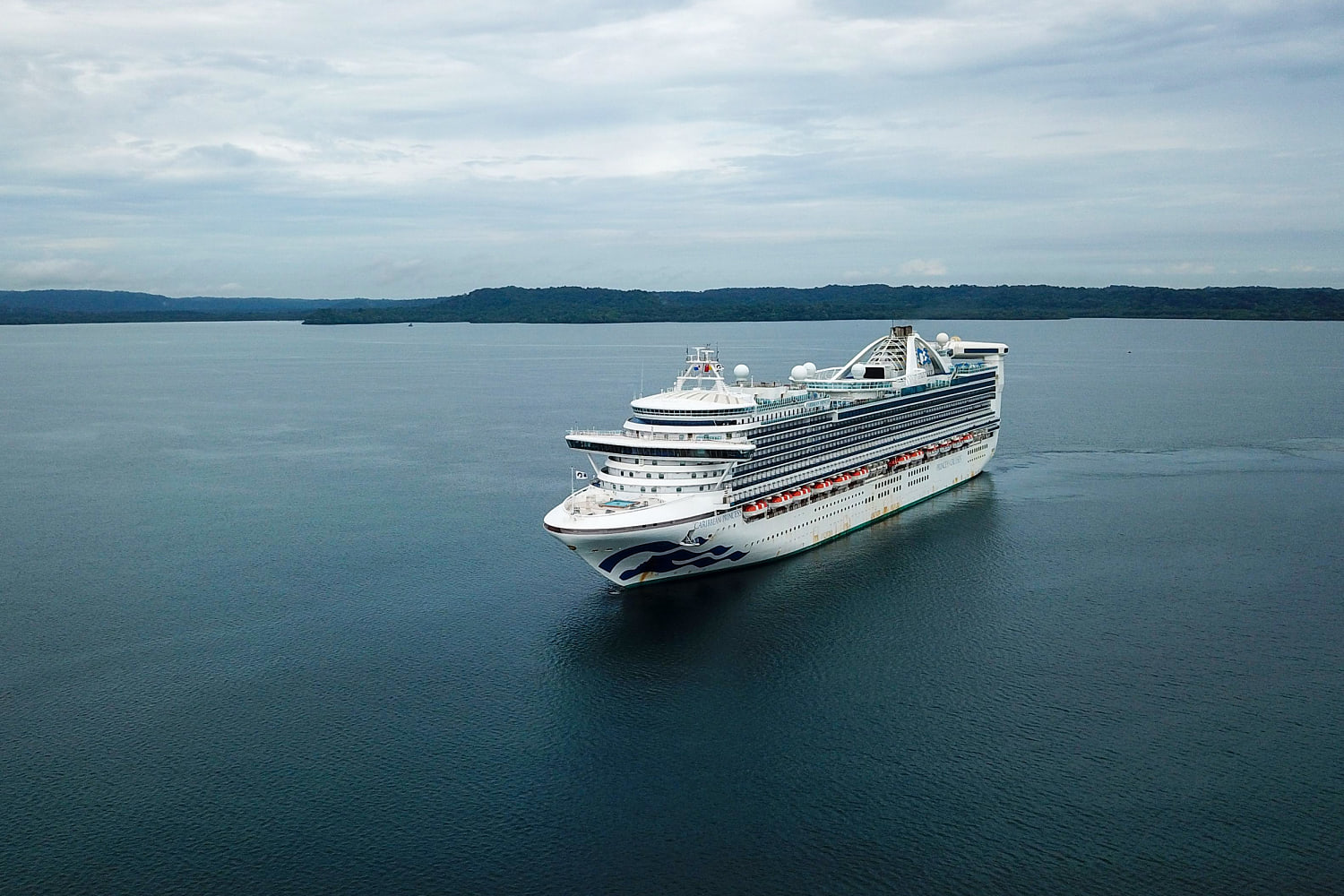
You’re five days into a dream vacation when the captain makes the announcement nobody wants to hear. A "gastrointestinal illness" is making the rounds. Suddenly, the buffet feels like a biohazard zone. Crew members in yellow vests are scrubbing handrails every ten minutes. This isn't a hypothetical nightmare; it’s exactly what happened recently aboard the Caribbean Princess. More than 100 people—specifically 99 passengers and 13 crew members—spent their luxury getaway tethered to their cabin bathrooms thanks to a norovirus outbreak.
It’s frustrating. You pay thousands for a high-end experience, only to end up as a statistic in a CDC report. While the cruise industry loves to talk about its "enhanced cleaning protocols," these recurring outbreaks suggest the battle against the "stomach bug" is far from over. If you’re planning a voyage, you need to know why this keeps happening and how you can actually protect yourself beyond just using that sticky hand sanitizer at the dining room entrance.
Breaking Down the Caribbean Princess Outbreak
The numbers from the Centers for Disease Control and Prevention (CDC) are pretty clear. On this particular sailing of the Caribbean Princess, roughly 3.2% of the passengers and about 1% of the crew fell ill. While those percentages might seem low, they represent a massive logistical failure on a ship designed for relaxation. Norovirus is the primary culprit here. It’s a highly contagious virus that causes your stomach and intestines to become inflamed.
The symptoms are brutal. We're talking about projectile vomiting, watery diarrhea, and stomach cramps that hit like a freight train. Most people recover in one to three days, but on a week-long cruise, that’s half your vacation gone. The CDC’s Vessel Sanitation Program (VSP) monitored the situation as the ship docked, ensuring the cruise line implemented increased cleaning and disinfection procedures. But honestly, once the virus is on the ship, it’s like trying to put out a forest fire with a garden hose.
Why Cruises are Norovirus Magnets
It’s not that cruise ships are inherently dirty. In fact, most ships are cleaner than your local grocery store. The problem is the environment. You’ve got thousands of people from different parts of the world crammed into a floating metal box. They share elevators, buffet tongs, and casino chips. If one person brings the virus on board, it spreads through "fomites"—contaminated surfaces—faster than a rumor at the captain's table.
Norovirus is famously hardy. It can survive on a plastic handrail for weeks. It’s also resistant to many common disinfectants and alcohol-based hand sanitizers. If the cleaning crew isn't using bleach-based or hydrogen peroxide-based solutions, they aren't killing the virus; they're just moving it around. This is the gap in the industry that cruise lines don't like to talk about.
The Myth of the Hand Sanitizer Station
We’ve all seen them. The "Washy Washy" crews and the automatic foam dispensers at every doorway. While they're great for killing bacteria, they are surprisingly ineffective against norovirus. Norovirus is a "non-enveloped" virus. It doesn't have a fatty outer layer that alcohol can dissolve.
If you want to stay safe, you have to use soap and water. Scrubbing your hands for 20 seconds physically moves the virus particles off your skin and down the drain. If you're relying on that little squirt of gel before you grab the communal spoon at the salad bar, you're playing a dangerous game of gastrointestinal roulette. It’s a common mistake travelers make, thinking they're protected when they really aren't.
Lessons from the Caribbean Princess
Princess Cruises responded to the outbreak by following the standard CDC playbook. They increased cleaning, notified departing passengers, and collected stool samples for testing. It’s the right response, but it’s reactive. The real work happens in the pre-boarding phase.
Cruise lines often ask passengers to sign a health questionnaire. "Have you had diarrhea in the last 48 hours?" Most people lie. They don't want to lose their vacation money. This "honesty system" is the weakest link in the entire maritime health chain. Until there’s a more rigorous way to screen for active infections before people step onto the gangway, outbreaks like the one on the Caribbean Princess will keep happening.
How to Protect Your Vacation Investment
If you’re worried about getting sick, you shouldn't just cross your fingers. You need a strategy. First, look at the VSP scores. The CDC regularly inspects cruise ships and gives them a score out of 100. Any ship scoring below an 86 is considered a failure. Check these scores before you book. Knowledge is power.
- Avoid the buffet for the first 48 hours. Most outbreaks start early. Stick to sit-down restaurants where the staff handles the plates.
- Use your own bathroom. Public restrooms on ships are high-traffic zones. Even if the crew cleans them frequently, one sick passenger can contaminate the whole area in minutes.
- Wash your hands after touching anything "public." This includes elevator buttons, stair railings, and even the "clean" towels at the pool.
- Pack your own cleaning supplies. I always bring a small pack of bleach wipes for my cabin. Wipe down the remote control, the door handles, and the light switches the moment you enter the room.
Don't let the fear of a bug ruin your trip. Most cruises go off without a hitch. But the Caribbean Princess incident is a stark reminder that the "stomach flu" doesn't care about your luxury balcony or your drink package.
Taking Action If You Get Sick
If the worst happens and you start feeling those tell-tale cramps, don't try to "tough it out" in public areas. That’s how you get everyone else sick. Go back to your cabin and call the medical center immediately. Most cruise lines will provide free medical consultations for GI symptoms and may even offer a pro-rated credit for the days you’re quarantined.
Check your travel insurance policy before you leave home. A good policy should cover trip interruption if a medical professional confines you to your room. If you don't have insurance, you're basically stuck paying for a very expensive stay in a floating hospital room.
The Caribbean Princess outbreak isn't an isolated fluke; it's a reminder of the inherent risks of mass travel. Staying informed and being slightly paranoid about hand hygiene is the only way to ensure your memories are of the sunsets, not the bathroom tiles. Before your next trip, visit the CDC's Vessel Sanitation Program website to see the latest inspection reports for your specific ship. Knowing the history of your vessel is the best way to predict your future comfort. Look for ships with a consistent track record of scores in the 90s and avoid those with recent "noted deficiencies" in food handling or water chlorination. Your health is worth the five minutes of research.
,jpeg/020/958/142/1280x720.4.jpg)