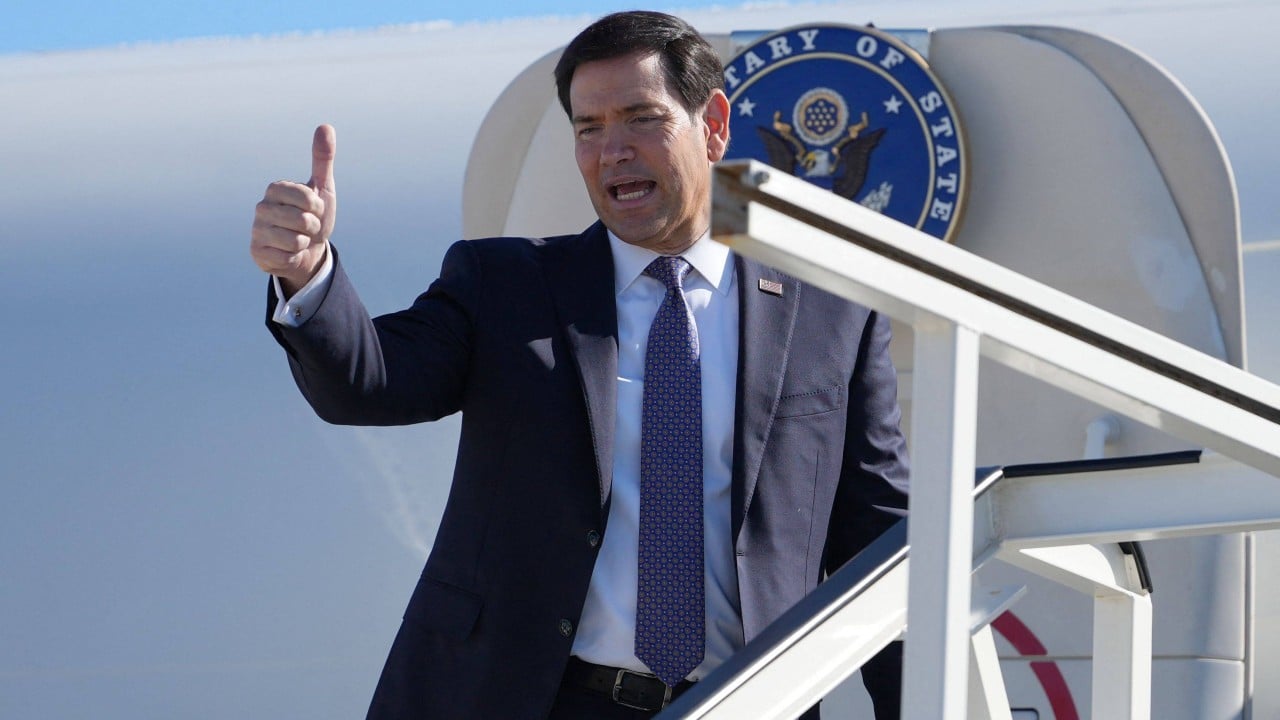
Washington loves a good ghost story. The latest phantom haunting Foggy Bottom is the idea that the United States is locked in a high-stakes geopolitical wrestling match with Beijing and Moscow for the soul of Central Asia. Diplomats fly into Astana and Tashkent, talk up new trade corridors, and slap nice labels on diplomatic initiatives, pretending they are rewriting the Eurasian map.
It is diplomatic theater. And it completely misses how the region actually works.
I have spent years watching foreign ministries treat Central Asia like an empty chessboard waiting for Western knights to rescue it from Russian and Chinese gravity. That framing is not just arrogant; it is entirely divorced from reality. Kazakhstan, Uzbekistan, Kyrgyzstan, Tajikistan, and Turkmenistan are not passive pawns looking for a new master. They are sovereign actors playing a hyper-pragmatic multi-alignment game, and they view outside saviors with well-earned skepticism.
Let us dismantle the lazy consensus. The Washington narrative goes something like this: Central Asian states are suffocating under the weight of their giant neighbors, desperate for an American counterweight to break free. If only the US shows up with enough infrastructure promises and diplomatic junkets, the region will pivot westward.
Rubbish.
Geography is an unyielding tyrant. You can wish away thousands of miles of shared borders with Russia and China, but you cannot pave over them. Central Asian economies are physically bound to their neighbors by pipelines, rail networks, and supply chains that took decades to build. When an American official pitches a trade route that bypasses Russia and China, local ministers nod politely, take the meeting, and then quietly return to the business of managing trade realities with Beijing.
The real motivation in Astana or Tashkent is not ideological liberation. It is maximum strategic optionality. They want Chinese capital for infrastructure, Russian security cooperation or labor market access, European energy buyers, and Western tech investments all at the same time. They do not want a savior. They want leverage. Every time Washington frames its engagement as a zero-sum crusade against Beijing or Moscow, it forces local leaders into an uncomfortable corner. No sensible leader in Bishkek or Dushanbe wants to be told they have to choose between their largest trading partner and a distant power offering polite lectures on governance.
To understand why the standard Western playbook fails here, look at the logistics. The proposed trans-Caspian transport routes—the darling of every policy paper coming out of Washington think tanks—sound great on a PowerPoint slide. Moving goods from China to Europe without touching Russia sounds revolutionary. But try moving actual freight across multiple custom regimes, disparate rail gauges, and the Caspian Sea's notoriously unpredictable ports. The friction costs eat the margins alive.
When foreign investors ignore these operational bottlenecks in favor of political optimism, they burn capital. I have seen corporations sink millions into regional hubs based on high-level diplomatic communiqués, only to watch their supply chains grind to a halt because they misunderstood local bureaucratic gatekeepers and regulatory capture.
So what is the actual question we should be asking? Stop asking how the US can outmaneuver China in Central Asia. The right question is how Washington can provide niche, high-value commercial and technological value without demanding a geopolitical loyalty oath.
Central Asia does not need another democracy seminar or another grand strategic framework with a catchy acronym. It needs agricultural tech, water management solutions for an increasingly parched region, and educational partnerships that build local technical capacity. If Washington wants to matter in the region, it needs to stop showing up as a geopolitical competitor trying to peel nations away from their neighbors and start showing up as a reliable, quiet commercial partner that respects local autonomy.
The sooner foreign policy pundits realize that Central Asia is not a battleground for global hegemony, but a sophisticated collection of independent states looking out for their own bottom line, the sooner we can stop writing fairy tales about a region that is far too busy building its own future to wait for ours.