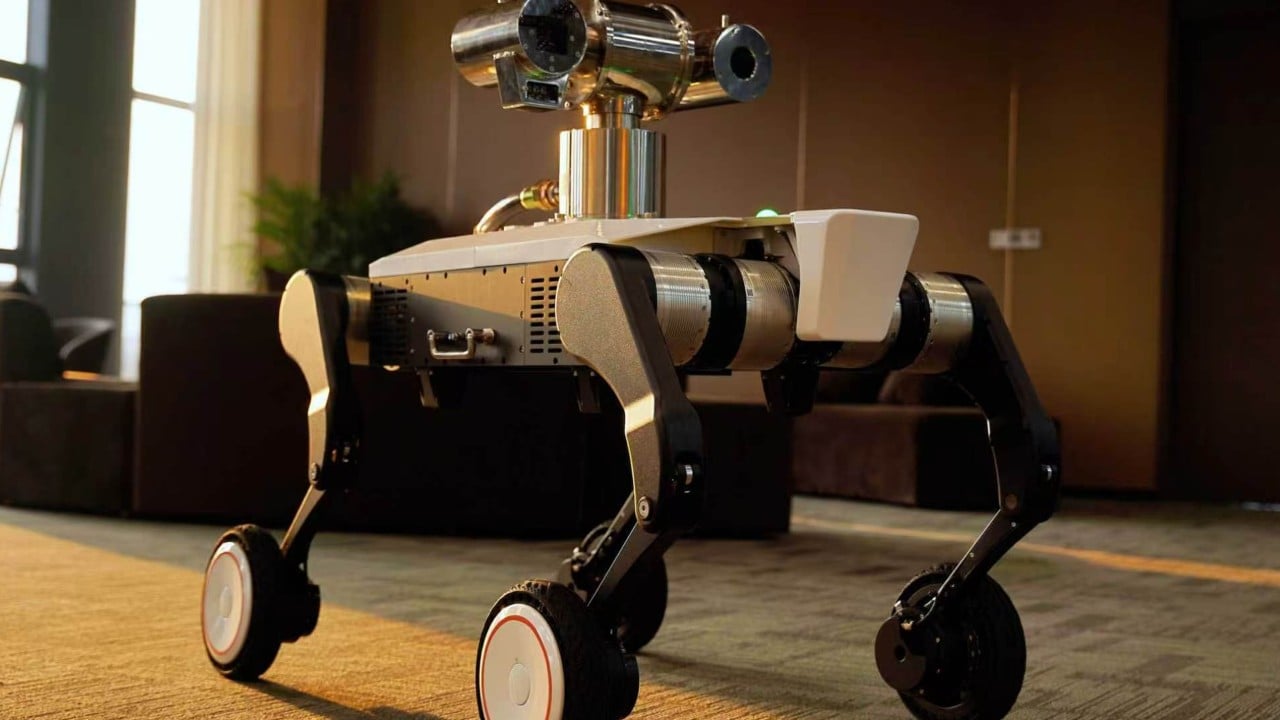
The humanoid and industrial robotics race isn't just about Silicon Valley startups anymore. Look at China. Companies there are scaling up faster than anyone cares to admit, and the funding rounds are getting massive. Take Micbot. This Chinese robot manufacturer is currently making headlines by setting its sights on two very distinct, high-stakes targets: Saudi oil giant Aramco and a public listing on the Hong Kong Stock Exchange.
It sounds like an ambitious cross-continental play. Honestly, it is. But when you look at how hardware funding works right now in mainland China, moves like this are becoming the playbook for survival and scale. Domestic venture capital has tightened up considerably over the last couple of years. If you build heavy hardware, you need deep pockets. You need sovereign wealth funds. You need international capital markets. You might also find this related coverage interesting: Micro Philanthropy Economics Why Niche Interventions Outperform Broad Relief.
The Saudi Connection
Why Aramco? Energy infrastructure needs automation yesterday. Refineries, deep-sea platforms, and vast pipeline networks are dangerous places for human workers. Saudi Arabia is pouring billions into modernizing its industrial base through Vision 2030, and state-backed entities are hunting for advanced technology partners globally.
Micbot isn't just sending pitch decks to Riyadh. They are positioning themselves as a serious hardware supplier for extreme environments. If you can build a robot that survives the scorching heat of a Middle Eastern oil facility while performing precise maintenance tasks, you've proven your engineering chops to the entire industrial world. As highlighted in latest coverage by Investopedia, the implications are worth noting.
Saudi Arabia wants tech transfer and local manufacturing partnerships. Chinese robotics firms are usually quite willing to play ball on joint ventures if it means securing multi-million-dollar supply contracts. It is a classic trade-off. Capital and market access in exchange for hardware and expertise.
The Hong Kong IPO Strategy
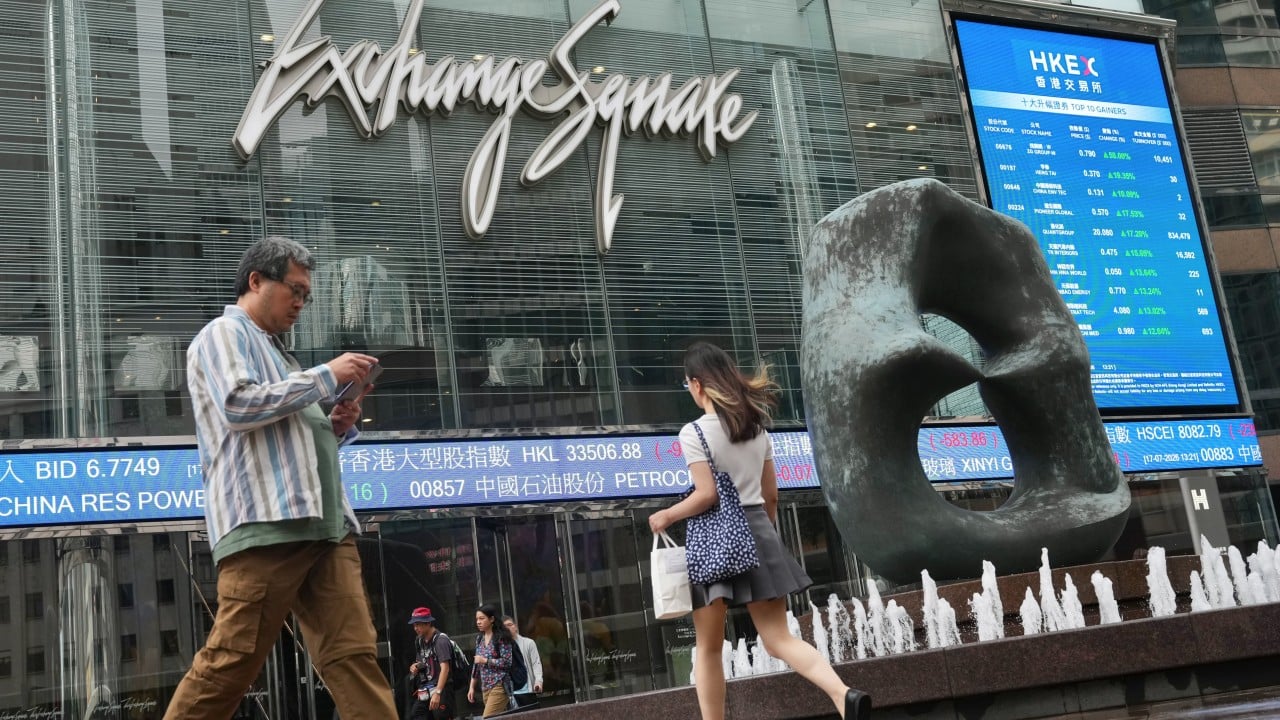
At the same time, Micbot is eyeing a public debut in Hong Kong. Why not Shanghai or Shenzhen? The mainland exchanges have slapped much stricter listing requirements on pre-revenue or high-burn hardware companies recently. Regulators want to see sustained profits, not just cool prototypes and soaring R&D budgets.
Hong Kong offers a different path. It bridges mainland manufacturing might with international liquidity. Global institutional investors who can't easily buy shares in mainland-listed tech firms can freely trade on the Hong Kong Stock Exchange. For a hardware maker trying to scale production lines and hire top-tier artificial intelligence researchers, access to global dollars is non-negotiable.
Still, going public right now isn't a guaranteed payday. Market sentiment is fickle. Valuations for tech hardware are under constant pressure from macroeconomic jitters. Micbot has to convince public market investors that their robots have clear, immediate commercial adoption rather than just looking impressive in promotional YouTube videos.
What Hardware Startups Get Wrong
Most people look at a humanoid or industrial robot and get distracted by the design. They care about how fast it runs or how smoothly it manipulates objects. That's amateur hour.
The real battle is unit economics and supply chain resilience. Can you manufacture these machines at a price point that makes sense for a factory manager who wants to recoup their investment within eighteen months? If your robot costs as much as a luxury car and breaks down every forty-eight hours, nobody cares how smart its neural network is.
Chinese manufacturers have a massive unfair advantage here. They sit right next to the world's most sophisticated electronics and mechanical supply chains. You can source actuators, sensors, and structural components within a fifty-mile radius in places like Shenzhen or Dongguan. Western competitors spend months waiting for custom parts to clear customs. Micbot takes a truck ride across town.
The Real Test Ahead
Playing in the big leagues requires more than a clever prototype and a flashy prospectus. Securing a deal with Aramco would validate Micbot's engineering in the harshest possible conditions. Landing a Hong Kong IPO would give them the war chest needed to outspend smaller rivals.
Watch the execution closely over the next twelve months. The gap between announcing an international expansion strategy and actually shipping commercial units to the Middle East is wide. If Micbot bridges that gap, they set a new standard for how specialized hardware companies fund their next growth phase. If they stumble, they become just another casualty of the hardware cash burn cycle.