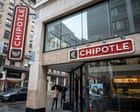
We've all seen the memes by now. The news of US fast-casual giant Chipotle Mexican Grill opening its doors in Mexico has triggered an absolute avalanche of internet snark. Commentators are calling it the ultimate case of carrying coals to Newcastle—or, in the words of late Mexican intellectual Carlos Monsiváis when Taco Bell tried a similar stunt, "like bringing ice to the Arctic". Social media has been relentless, with people joking that Panda Express will open in Beijing next.
But beneath the layer of very funny, very valid internet mockery lies a fascinating, highly calculated business play. Is it actually stupid for Chipotle to sell customizable burritos in the birthplace of the taco? Or does the brand know something the keyboard critics don't? Recently making news lately: The Economics of Corporate Cost Shifting on Medicaid.
The truth is, Chipotle isn't actually trying to sell traditional Mexican food to Mexicans. They're selling an American lifestyle product, and they've chosen the perfect playground to test if the illusion can make them billions.
The Gringo Taco Curse is Real
It's impossible to talk about Chipotle's southern expansion without addressing the ghost of fast-food past. Taco Bell famously tried to conquer Mexico twice. Both times, they got laughed out of the country, finally packing up their crunchy shells and leaving for good in 2010. Local consumers looked at the hard shells, the processed cheese, and the French fries on the menu and essentially said, "What is this garbage?" Further information regarding the matter are detailed by Bloomberg.
So, why does Chipotle think they won't suffer the same humiliating fate?
Because Chipotle is not Taco Bell.
Where Taco Bell offered cheap, highly processed American fast food disguised as Mexican snacks, Chipotle offers a premium "fast-casual" experience. They aren't trying to compete with the legendary corner taquería or your local grandmother’s fonda. That would be suicide. Street tacos in Mexico are cheap, incredibly delicious, and culturally sacred.
Instead, Chipotle is positioning itself as a clean, trendy, customizable dining option. They're targeting an entirely different consumer: upper-middle-class urban professionals who crave American-style convenience, brand prestige, and reliable ingredients.
Why San Pedro Garza García is the Perfect Shield
Look closely at where Chipotle is opening its very first store. They aren't launching in a bohemian neighborhood in Mexico City or next to a bustling market in Oaxaca. They’re setting up shop in San Pedro Garza García, a wealthy municipality within the Monterrey metropolitan area in the northern state of Nuevo León.
This is a brilliant, highly strategic defensive move. San Pedro Garza García is one of the richest municipalities in Latin America. It's a massive business hub, heavily Americanized, and located just a few hours' drive from the Texas border.
The residents of San Pedro:
- Regularly travel to the United States.
- Are already intimately familiar with American consumer brands.
- Don't view a burrito bowl as an insult to their heritage; they view it as a convenient, high-protein lunch option they used to get when visiting Houston or San Antonio.
By partnering with Alsea—the massive Latin American restaurant operator that successfully runs Starbucks, Domino’s, and Burger King in the region—Chipotle is entering the market with serious local muscle. Alsea knows how to sell American food to Mexican consumers who are eager to buy into the premium, global lifestyle.
The Burrito Bowl is Not a Taco
One of the biggest misconceptions about Chipotle's move is that they're trying to replace local cuisine. They don't need to.
In Mexico, a burrito is highly regional, popular mostly in the north. The "burrito bowl," however, is an entirely American invention. It's a health-focused lifestyle product. If you're a young professional in Monterrey trying to hit your fitness goals, a bowl with brown rice, black beans, double chicken, and fresh guacamole is highly appealing. It occupies the same mental space as a trendy salad bar or a juice shop, not a late-night taco stand.
Chipotle's CEO Scott Boatwright noted that their research showed strong demand for customizable, freshly prepared food. They aren't changing their menu for Mexico. They’re serving the exact same items they serve in New York or London. It’s a deliberate decision to sell the American idea of Mexican food as a novelty.
The Real Reason for the Move: Saturated Home Markets
Let's look at the cold hard numbers. Chipotle has over 4,000 locations in the US. While they’re still wildly profitable, domestic growth is naturally slowing down.
To keep Wall Street happy and maintain their premium stock valuation, they have to find new frontiers. The company’s "Recipe for Growth" relies heavily on global expansion. They are already pushing into Canada, the UK, France, Germany, and have eyes on South Korea and Singapore.
If they can make their concept work in Mexico—even if it's confined to wealthy northern enclaves and upscale neighborhoods in Mexico City—it proves to investors that their brand has universal, cross-cultural appeal.
What to Watch Next
Chipotle's success or failure south of the border won't be decided by angry tweets from purists. It will be decided by how well they execute on three specific fronts:
- Pricing strategy: Street tacos in Monterrey are incredibly cheap. Chipotle is going to be priced as a premium dining experience. Can they convince locals that a burrito bowl is worth several times the price of local street food?
- The flavor profile: Mexican palates are used to bold, complex, and highly seasoned salsas. Chipotle's relatively mild flavor profile is often criticized as bland by Mexican standards. They’ll need to make sure their execution of fresh ingredients holds up under intense scrutiny.
- The expansion beyond Monterrey: Winning over the wealthy, Americanized crowd in San Pedro Garza García is one thing. Expanding into the culinary heartland of Mexico City, which is planned for 2027, will be the true trial by fire.
Don't dismiss Chipotle's Mexican adventure as an immediate failure. While it’s easy to laugh at a US chain selling burritos to the country that invented them, never underestimate the power of convenience, clean branding, and the sheer curiosity of middle-class consumers looking for a taste of American fast-casual culture.