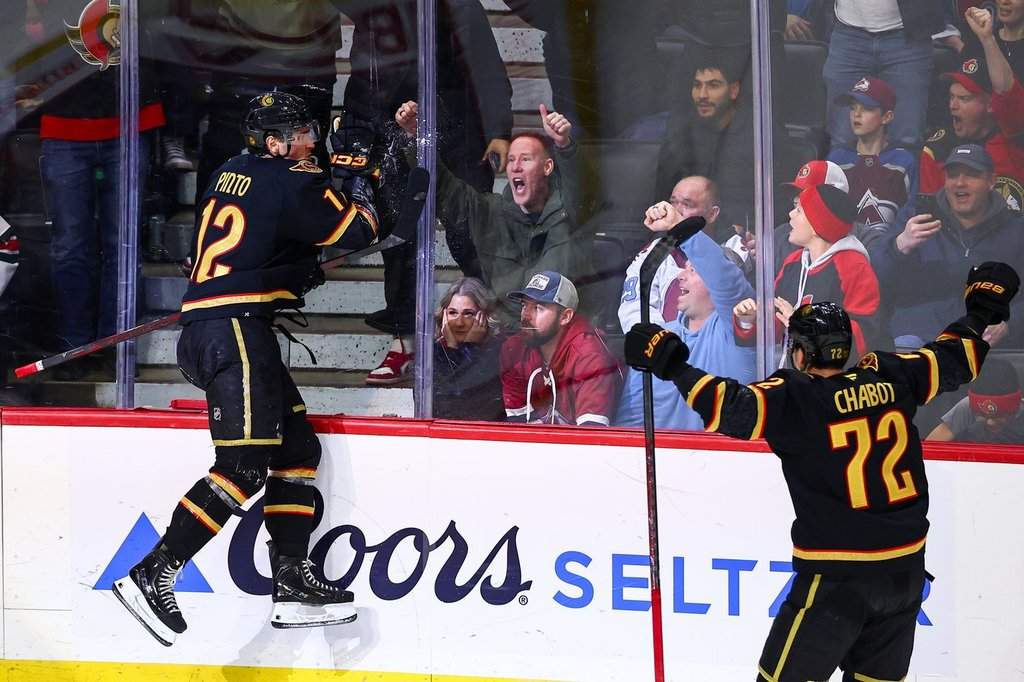
The Quiet Arithmetic of a Three-Goal Lead
Silence.
That is the first thing you notice when a three-goal cushion starts to evaporate in a building that thought it had already bought its ticket home. You hear the scrape of skate blades carving tight, desperate arcs against white ice. You hear the sharp clack of a stick shaft tapping against a shin pad, a silent plea for a pass that might not come. You hear your own pulse hammering right behind your eardrums, louder than the organ music that used to sound cheerful twenty minutes earlier.
Hockey games are rarely decided by a single bolt of lightning. Usually, they rot from the inside out—a lazy clearing attempt along the boards, a half-second hesitation at the blue line, a shift that lasts ten seconds too long because nobody wants to be the first one to wave for a change.
Consider a hypothetical fan sitting in row twelve, someone who has spent three periods tallying shots, shifts, and zone time like a nervous accountant. Early on, the math looks generous. A three-goal lead feels like a vault door swinging shut. You lean back. You check your phone. You start thinking about traffic on the way out.
Then comes the slow erosion. One deflection off a skate blade. One scramble in the crease where a loose puck refuses to stay covered. Suddenly the vault door is ajar, and the people on the other side have smelled blood.
In the broader NHL rhythm between the Ottawa Senators and the Colorado Avalanche—a matchup defined by speed, verticality, and sudden swings in momentum—a 4-3 overtime finish tells you everything about how fragile control actually is. On paper, it reads like a neat box score line: Ottawa edges Colorado 4-3 in extra time after Shane Pinto buries the winner. A tidy summary for the morning sports section.
Tidy summaries lie.
They flatten sixty-plus minutes of lung-burning exhaustion, bruised ribs, and split-second nerve into two numbers separated by a hyphen. They make a razor-thin margin look inevitable, as if the puck were always destined to cross the line at that exact angle and velocity.
I have watched enough hockey from the upper bowl and the glass to know better. When you sit close enough to hear players swear under their breath as they glide toward the bench, you stop seeing "teams" and start seeing human nervous systems pushed past their redline. Legs turn to wet cement. Vision narrows to a tunnel no wider than the blade of your stick. Every decision costs oxygen.
And I will be honest with you: even after years of watching overtime games decide nights, seasons, and moods, I still catch myself holding my breath during three-on-three hockey. The open ice is thrilling, yes, yet it is also terrifying. One mistake does not just create a scoring chance; it hands the other side a breakaway with half the rink empty behind you.
What Happens When Control Slips Away
To understand why a 4-3 overtime game feels so heavy, think of a hockey game as a tightrope walk during a gusty crosswind. (Note: This is a metaphor comparing on-ice momentum and positional balance to walking a tightrope.) When you are up by three goals, you have a wide balancing pole and a steady breeze. You can afford a wobble. You can take a cautious step and still look composed.
When the lead shrinks to one, the pole gets thinner. Every gust feels personal.
In a high-tempo clash between the Senators and the Avalanche, speed multiplies the cost of every wobble. Colorado plays with a relentless rush identity—skaters moving at top gear through the neutral zone, turning small turnovers into immediate danger before defenders can reset their shoulders. Against that kind of pace, sitting back in a protective shell rarely works for long. You either keep skating, or you get swallowed whole.
Ottawa, meanwhile, has spent recent seasons learning how to turn raw skill and youthful urgency into poise when the pressure spikes. Poise is harder to teach than a slap shot. You can practice one-timers for an hour after practice; you cannot easily manufacture calm when your heart rate is pushing toward its ceiling and the crowd noise is vibrating through the soles of your shoes.
Imagine a hypothetical defenseman—let's call him Tomas—stepping onto the ice late in the third period with a one-goal lead slipping through his fingers. (This is a hypothetical scenario illustrating the physical and mental strain of protecting a shrinking lead.) His quads burn. His mouth feels like chalk. A forward comes flying down the wing with eyes locked on the far post. Tomas has to decide in a fraction of a second whether to step up at the line and risk getting beat wide, or back off and surrender space in the slot.
Step up a fraction too early, and the forward cuts inside. Back off a fraction too late, and a hard shot whistles past the ear of the goaltender.
There is no pause button. There is no coach's voice reaching you clearly over fourteen thousand people screaming at once. There is only the ice, the puck, your edge work, and the quiet voice inside your head telling you not to be the guy who blinks.
When the tying goal finally goes in—whether off a clean slot drive, a rebound in the blue paint, or a point shot that finds a lane through traffic—the emotional shift in the arena is almost physical. The air pressure seems to drop. The team that gave up the lead feels the sudden weight of what might slip away, while the team that clawed back feels light, dangerous, and unburdened.
That is why ties late in regulation rarely feel neutral. One side feels robbed of a win it thought it had earned; the other feels like it just stole life back from the brink.
The Anatomy of an Overtime Winner
Overtime changes the geometry of the sport. Five-on-five hockey is a crowded street market; three-on-three is an open highway at midnight.
Suddenly there is room to breathe, room to glide, room to make a defender commit a half-step too soon. Yet space cuts both ways. Every inch of open ice you gain in the offensive zone leaves an equally wide lane behind you if a pass misses its tape by two inches.
In a 4-3 overtime finish between Ottawa and Colorado, the margin between hero and bystander shrinks to a millimeter of blade or a fraction of a second. A player like Shane Pinto—known for two-way reliability, smart positioning, and the kind of quiet detail work that keeps plays alive—doesn't need ten chances to decide a night like that. Sometimes he needs one clean touch, one moment of clarity when everyone else is running on fumes.
Think about what happens right before a game-winning goal is scored in overtime. Usually, it starts away from the net. A chip off the wall that stays in the zone instead of hopping out. A tired forward taking one extra stride to win a race to a loose puck. A defender choosing to absorb contact rather than force a risky cross-ice feed.
Then comes the release.
A snap wrist shot or a quick redirection off a skate or stick blade doesn't give a goaltender time to go through a textbook sequence. Goalies rely on anticipation and sightlines; in tight quarters with tired legs in front of them, a sudden change of angle or a quick release beats sheer athleticism.
One second, the puck is bouncing in traffic or gliding across the royal road.
The next, the red light flashes.
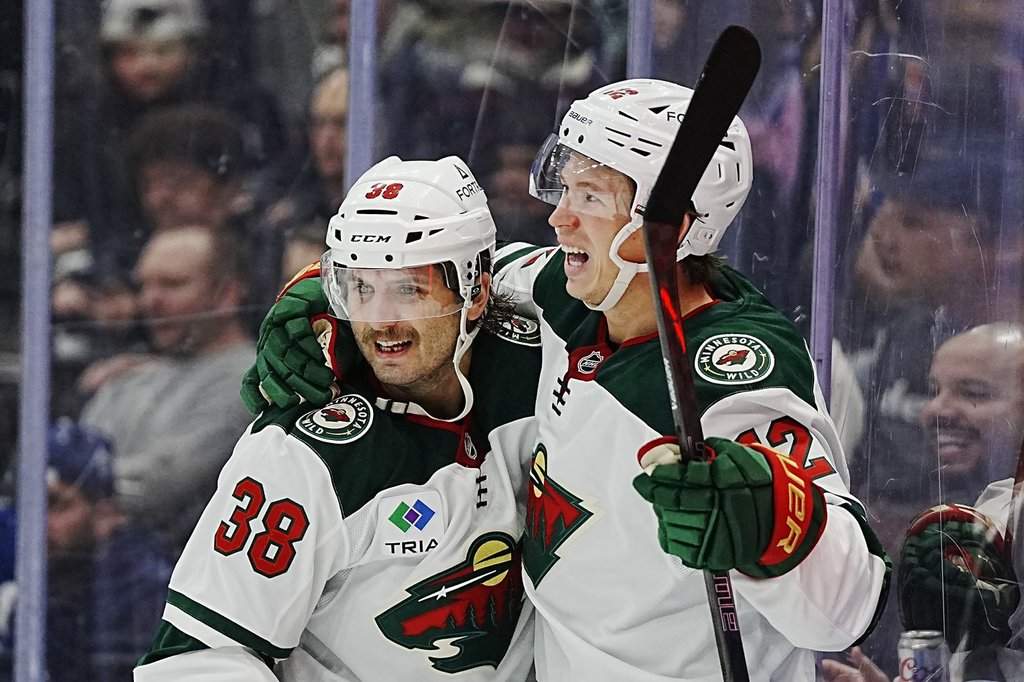
For a split second, nobody in the building quite believes it. You see a player drop to one knee or throw his head back, arms rising before the sound catches up to the sight. Then the horn blasts—deep, brassy, unmistakable—and the noise erupts all at once, washing over the ice like a wave breaking against a seawall.
Why Close Games Stay Under Our Skin
We love blowouts for about ten minutes. A 7-1 game gives you highlight reels, big numbers, and easy storylines. You can admire the dominance and move on with your evening.
Close games—especially 4-3 overtime battles where a multi-goal lead disappears and extra time decides the outcome—stay with you much longer. They mirror how life actually feels when things get messy.
Rarely do we get neat, uninterrupted progress. Most days look more like the third period of a tight hockey game: plans unraveling a little, energy running low, small mistakes compounding until you have to dig deeper than you expected just to stay upright.
Watching players navigate that storm—losing a lead, absorbing the shock, staying connected on the bench, and finding one last surge in overtime—is compelling because it strips away pretense. You cannot fake composure when your lungs are burning. You cannot bluff a puck past a goaltender from six feet out. You either execute under stress, or you don't.
And maybe that is the real reason a box score line like "Sens edge Avs 4-3 in OT" feels incomplete on its own. The numbers tell you who survived the night. They do not tell you what it cost.
They do not show the wince of a player heading down the tunnel after blocking a shot in the second period. They do not capture the quiet exhale on the bench when a penalty kill clears the zone with three seconds left. They do not preserve the exact hush that falls over a crowd right before the puck drops in sudden death.
Out on the ice, the horn fades, the skates keep carving circles, and the scoreboard locks in the final word—leaving the players drifting toward one another in a tangle of gloves and relief while the rest of us sit back, still feeling the echo of the last shot in our chests.