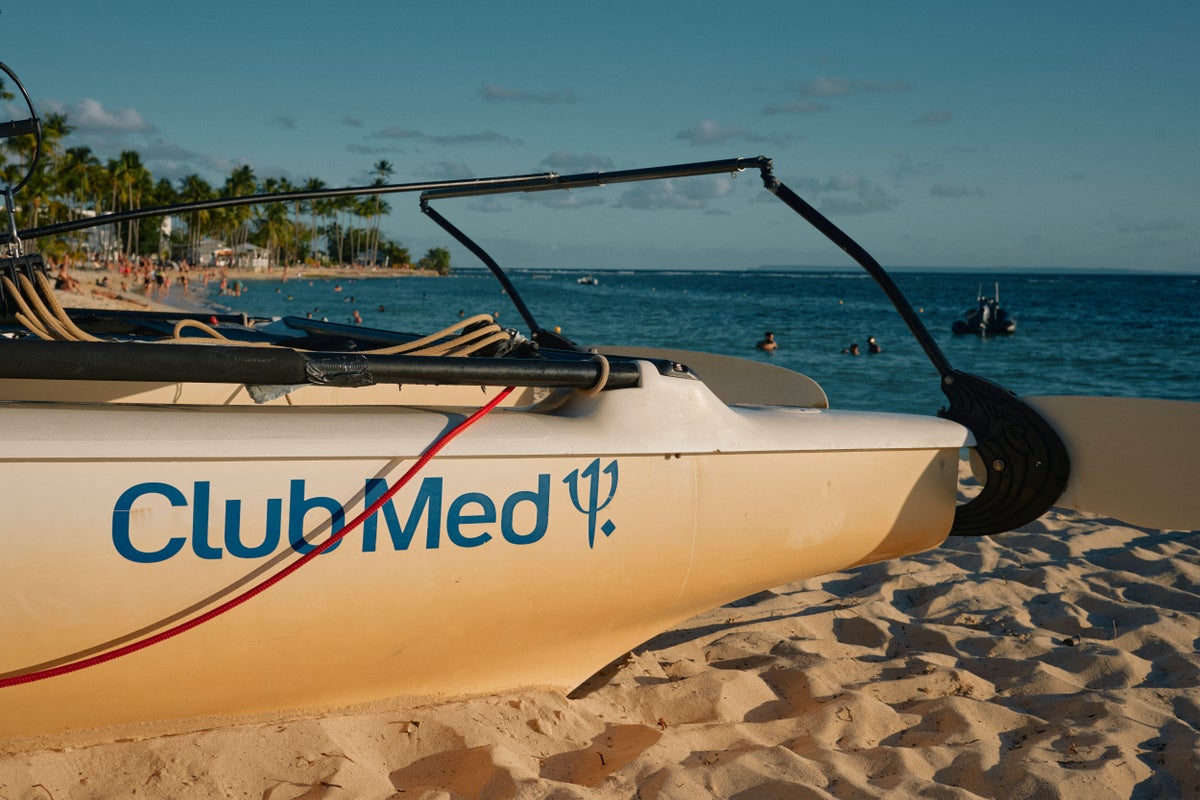
When a vacation goes sideways, people look for someone to blame. Usually, that finger points straight at the hospitality brand running the show. Take the federal lawsuit filed by Yvonne Martin against Club Med. It is easy to write off ocean wildlife encounters as pure, unpredictable bad luck. But when you look at the court filings, the core issue isn't just about a rogue marine predator. It centers on what happened—and what didn't happen—before and after the teeth made contact.
According to legal complaints stemming from an incident during an October 2024 stay in the Turks and Caicos archipelago, Martin was roughly 75 feet offshore when a resort sailing instructor allegedly shouted instructions ordering her to jump straight into open water instead of guiding her safely back to shore. The lawsuit argues that resort staff failed to check if those waters were free from dangerous marine life and didn't take standard safety precautions. You might also find this connected story insightful: The River That Remembered Home.
Then came the aftermath. The complaint alleges that instead of prioritizing immediate medical intervention for severe trauma, resort representatives focused heavily on insurance validation and paperwork bottlenecks. Martin survived the encounter, but her legal team points to permanent nerve damage, extensive physical scarring, and a grueling recovery process. It brings up a harsh reality of booking all-inclusive luxury vacations. You expect a bubble of safety, but resort duty of care doesn't necessarily stop at the shoreline if staff dictate your actions in the water.
Where Resort Duty of Care Begins and Ends
Liability cases involving natural environments are notoriously messy. Resorts frequently hide behind waiver forms that absolve them of responsibility for acts of nature. You sign away your rights on page four of a digital booking agreement, assuming you're safe. However, courts care deeply about active negligence. As extensively documented in detailed articles by Condé Nast Traveler, the implications are widespread.
If a guest wanders out into the ocean entirely on their own volition, a resort bears very little blame. Nature is wild. Sharks live in the ocean. That is an inherent risk of stepping foot in salt water anywhere in the world.
The legal script flips the moment an employee gives a direct command. If a staff member tells a guest to jump into open water under specific conditions—especially if bad weather or poor visibility is rolling in—that employee creates a direct chain of causation. The argument shifts from "a shark happened to be there" to "the resort actively placed the guest in an unverified, high-risk situation."
The Ugly Reality of Overseas Medical Logistics
What happens immediately after an accident often dictates whether a lawsuit ever sees a courtroom. In many tropical resort destinations, local medical infrastructure is miles away from major trauma centers. Time bleeds away quickly when minutes matter.
In Martin's case, the lawsuit highlights a disturbing accusation: that administrative friction over insurance coverage delayed proper care. Travelers assume that booking with a massive, multi-national brand like Club Med means an instant safety net. The reality on the ground can look entirely different. When local clinics or resort management stall treatment to sort out billing details or liability caps, injuries compound. Nerve damage worsens. Blood loss becomes critical.
If you are ever unfortunate enough to experience a catastrophic injury abroad, remember one absolute rule. Medical care comes before administrative compliance. Insist on immediate transport and treatment. You can fight with corporate insurance adjusters about billing later, but you cannot undo hours of delayed medical attention.
How to Protect Yourself When Booking All-Inclusive Adventures
Most people treat resort excursions and water sports like mindless entertainment. They hop on a Hobie Cat or follow a guide's hand wave without a second thought. You shouldn't be paranoid, but you shouldn't be entirely passive either.
- Question instructions that feel unsafe: If a guide tells you to jump into deep, murky water away from the vessel or shore, you have every right to ask for a safer route back. Trust your gut over an employee's rushed schedule.
- Understand emergency protocols: Before booking high-risk water activities through a resort, ask what their specific emergency response plan looks like. How far is the nearest trauma hospital? Do they have direct transport on standby?
- Carry independent medical insurance: Never rely solely on a resort's corporate policy or standard travel credit card perks. Have a dedicated policy that covers emergency medical evacuation and direct hospital admission without requiring corporate sign-off.
The Club Med lawsuit is working its way through the legal system, seeking significant damages for life-altering injuries. Whether a jury ultimately finds the resort negligent will depend heavily on the exact instructions given on the water that day. For the rest of us, it serves as a stark reminder. Paradise is a business, and when things go wrong, you have to be your own best advocate.


