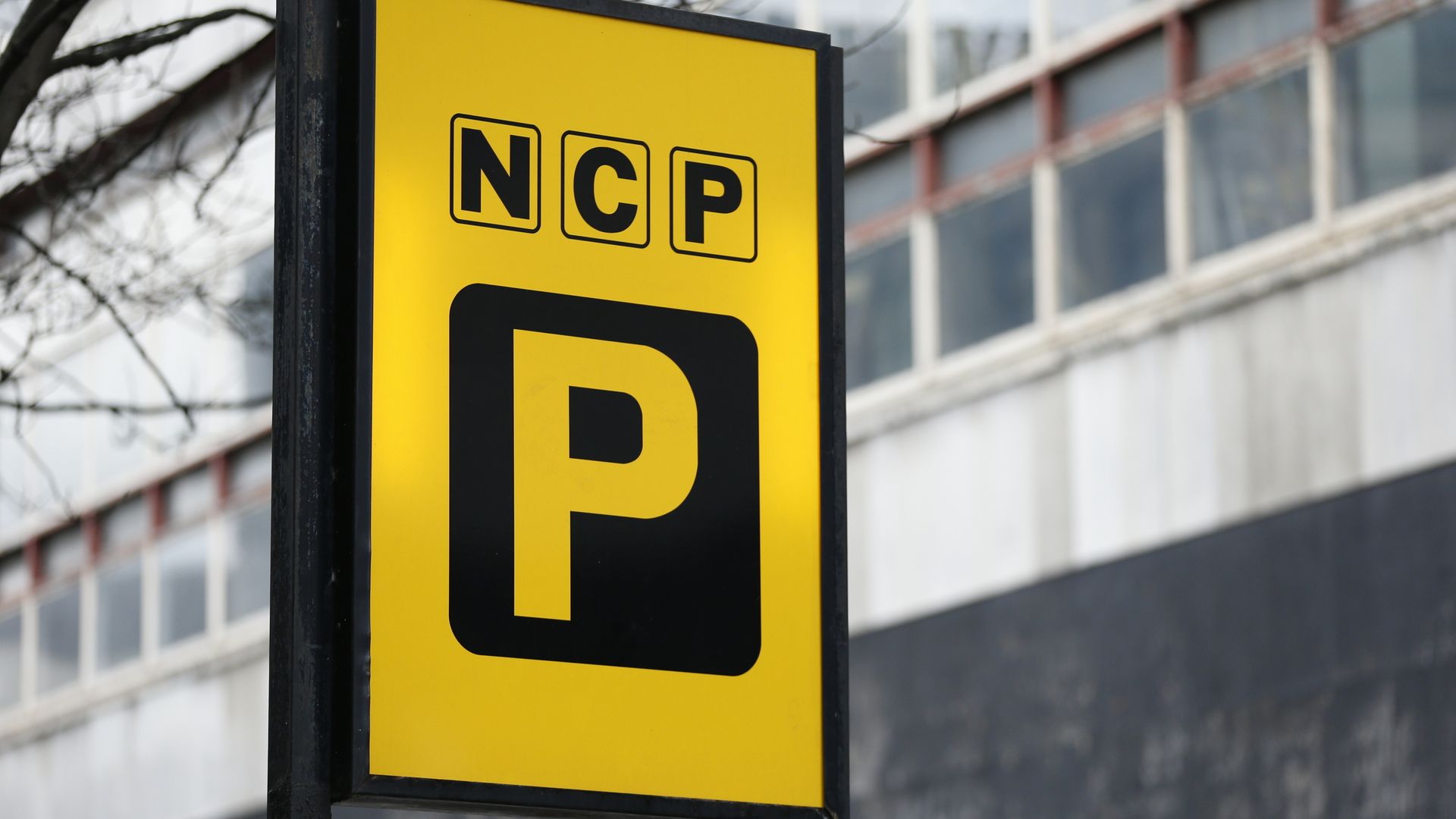
You have driven past it a thousand times without really seeing it. It is an expanse of weathered asphalt beneath a gray sky, bordered by faded white lines and a solitary, blinking yellow payment machine that hums softly in the damp morning air. To most of us, a car park is an inconvenience. A place where you feed coins into a slot, dodge oil stains on the way to your meeting, and hurry back before the digital timer on your phone flashes red.
We treat these flat surfaces as dead space. We are wrong. If you liked this post, you should read: this related article.
Beneath our collective indifference lies a vast, interlocking financial grid that dictates the pulse of modern urban life. And right now, that grid is shifting.
Consider the rumors that have begun to circulate through the boardrooms of British real estate: National Car Parks, the behemoth that has managed the nation's asphalt for generations, is reportedly exploring a massive sell-off. Scores of prime parking sites are being weighed, measured, and prepared for the auction block. For another look on this story, refer to the recent update from Forbes.
To understand why this matters, you have to step away from the corporate spreadsheets and stand on the tarmac itself.
Imagine Sarah, a small-business owner who runs a dry-cleaning shop on a corner plot just outside Manchester. Every morning at precisely seven-thirty, she watches the commuters pull into the municipal-adjacent car park across the street. Those drivers are her customers. They drop off a jacket, run an errand, and pick it up on the way home. The car park is the gravitational anchor of her neighborhood's commerce. When spaces vanish, cars vanish. When cars vanish, the foot traffic dries up, leaving shopkeepers to stare out at empty sidewalks and wonder where the world went.
Now, multiply Sarah's anxiety by a few hundred locations across the United Kingdom.
The potential sale of these sites is not merely a corporate restructuring. It is a fundamental rewriting of how cities breathe. For decades, companies like NCP acted as the silent landlords of urban mobility. They provided the necessary friction for a car-dependent society to function. But the ground beneath their tires is cracking.
The post-pandemic shift toward hybrid work hollowed out weekday commuter revenue. At the same time, municipal governments are pushing aggressive green agendas, squeezing internal combustion engines out of city centers with ultra-low emission zones and pedestrianized high streets. The math of running a surface-level parking lot in the twenty-first century no longer pencils out the way it used to.
Square footage in a thriving city center is too valuable to be wasted on idling Toyotas.
Developers know this. Real estate funds know this. That is why the quiet talks of selling off scores of sites have sent ripples through the property market. When a major operator starts trimming its portfolio, it signals an admission that the old model has run its course.
What replaces the concrete?
The most likely answer is a familiar, vertical march of steel and glass. In the language of urban planners, these plots are prime candidates for mixed-use developments. Think residential apartment blocks with ground-floor cafes, or streamlined logistics hubs designed to feed the relentless beast of same-day e-commerce delivery.
There is an undeniable logic to this evolution. We face a chronic housing shortage. We need homes, not parking bays.
Yet, as someone who has watched cities transform from gritty, chaotic havens into sanitized glass corridors, I feel a prickle of unease. Every time a city sells off its parking infrastructure to the highest bidder, it cedes another layer of control over its own accessibility. Who decides who gets to enter the city core? When the surface lots become luxury flats, where do the tradespeople, the delivery drivers, and the elderly visitors go?
We are trading one set of problems for another, often without pausing to ask who gets priced out in the exchange.
The story of the modern car park is the story of our relationship with space itself. In the mid-twentieth century, we tore down historic neighborhoods to build concrete plazas, worshipping the personal automobile as the ultimate symbol of freedom. We paved our cities to make room for motion. Now, we are peeling back that pavement, realizing too late that infinite expansion was an illusion.
As these deals are brokered behind closed doors, the physical layout of our towns and cities hangs in the balance. The men and women in tailored suits moving decimal points on spreadsheets are deciding whether future generations will walk past vibrant community hubs or sterile luxury towers.
The blinking yellow payment machines will eventually be unbolted. The faded white lines will be scraped away by heavy machinery, replaced by deep foundations and scaffolding.
When you drive past your local lot tomorrow, look closer. Notice the space between the buildings. Recognize it for what it truly is: the next frontier in the battle for the soul of the city.
The asphalt is cooling. The signs are changing. And the city is holding its breath to see what grows in the spaces we leave behind.