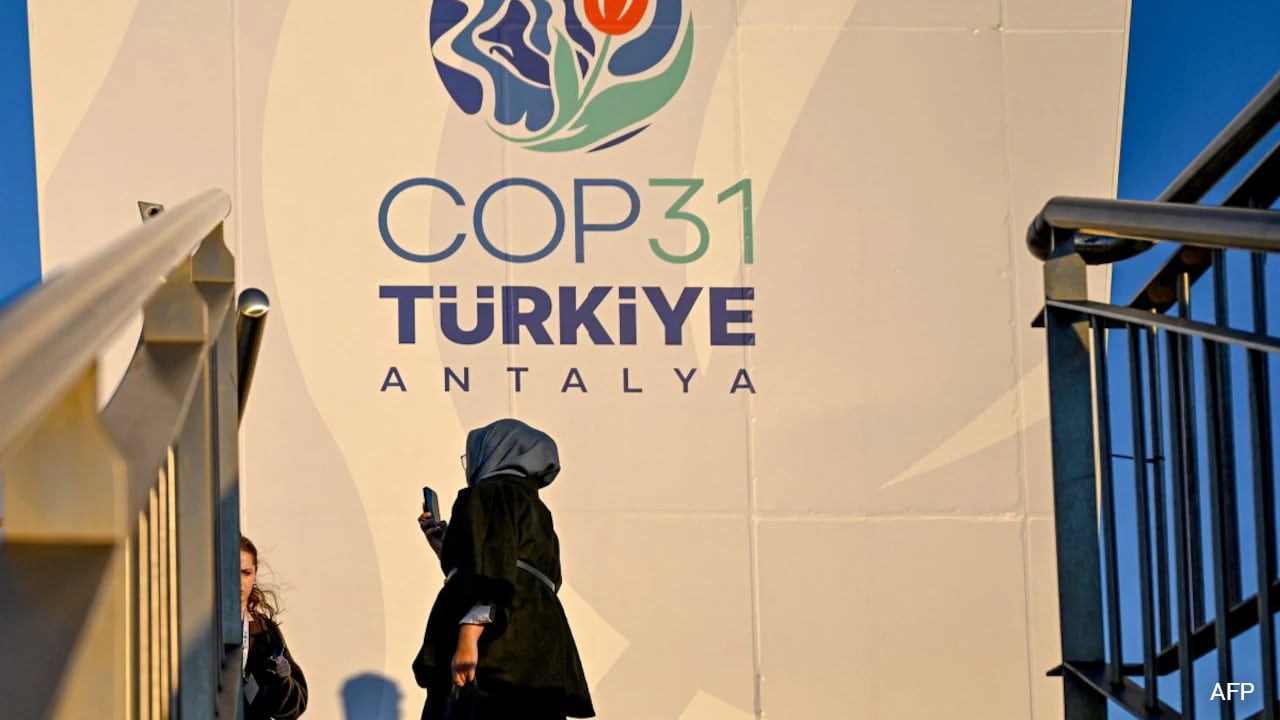
Diplomats have spent three decades arguing over how to force the world off fossil fuels, and the results have been messy at best. Now, heading into COP31 in late 2026, negotiators are shifting their strategy toward a much simpler, faster lever: global electrification. Instead of fighting trench warfare over every coal mine and oil well, the new consensus focuses on making clean electricity so cheap and abundant that dirty fuels simply can't compete.
It sounds almost too practical for a UN climate summit. Yet if you look at what actually moved the needle between COP28 in Dubai, COP29 in Baku, and COP30 in Belém, you'll see why energy analysts are calling this the smartest pivot in years.
The Shift From Fossil Fuel Bans to Grid Dominance
Remember the uproar at COP28 when countries finally agreed to "transition away from fossil fuels"? That phrase took days of sleepless negotiations and nearly collapsed the entire summit. Then came COP29 and COP30, where fights over climate finance and adaptation targets stalled momentum again.
Petrostates know how to block supply-side treaties. They have veto power in consensus-based UN talks, and they use it.
What they can't veto is physics and economics. Solar panels and utility-scale batteries have gotten absurdly cheap, and electricity is now the cheapest way to move a car, heat a building, or run a factory. By making COP31 electricity targets the centerpiece of the 2026 negotiations, progressive nations are flanking the oil lobby rather than charging straight at its strongest defenses.
You don't have to ban gasoline if electric vehicles cost less upfront and pennies per mile to run. You don't have to outlaw natural gas boilers when heat pumps slash utility bills in half.
Why Electricity Is the Real Climate Bottleneck
If clean power is already winning on price, why do we need a massive UN summit push around it? Because right now, the world is generating clean electrons faster than our wires can carry them.
I've spent years watching utility executives and policy wonks butt heads over renewable energy rollouts, and the mistake most outsiders make is thinking the hard part is building solar farms. It isn't. Putting panels in a desert or turbines on a ridge takes months. Building high-voltage transmission lines and upgrading local distribution transformers takes a decade.
According to the International Energy Agency (IEA), the global grid needs roughly 80 million kilometers of new or refurbished power lines by 2040 just to meet existing national climate pledges. That is the equivalent of replacing the entire existing global grid.
Here is where the bottleneck actually hurts:
- Interconnection queues are choking projects. In the United States and Europe alone, gigawatts of wind, solar, and battery storage sit waiting years just for permission to plug into the grid.
- Permitting laws belong in the 1970s. A single local lawsuit or overlapping environmental review can delay a cross-border transmission line for eight years.
- Supply chains for transformers are stretched thin. Try ordering a large power transformer today and you might wait three to four years for delivery due to grain-oriented electrical steel shortages.
Without fixing the wires, cheap solar panels just sit idle—or worse, get curtailed during peak sunny hours while gas plants keep humming at night.
What the COP31 Electricity Push Actually Targets
So what are negotiators actually putting on the table for COP31? Rather than vague promises about net-zero by 2050, the electricity strategy breaks down into three concrete pillars that countries can measure every single year.
Tripling Grid Investment Alongside Renewables
At COP28, nations pledged to triple renewable energy capacity by 2030. That goal is actually within reach thanks to massive solar manufacturing in China and rapid deployment across India, Europe, and parts of the Americas.
The catch? Grid spending stayed flat for years while renewable investment skyrocketed. You can't run a 21st-century clean energy economy on a 20th-century copper network. COP31 negotiators are pushing for a binding global benchmark on grid modernization and battery storage deployment—effectively forcing governments to match every dollar spent on generation with serious capital for transmission and flexibility.
Electrifying End-Use Sectors Fast
Right now, electricity accounts for only about 20% of final global energy consumption. The other 80% is still burned directly as oil in engines, gas in furnaces, and coal in blast furnaces.
To break the climate deadlock, that 20% share has to climb past 30% by the early 2030s and exceed 50% by 2050. That means shifting the policy focus toward:
- Transport electrification: Not just passenger cars, which are already crossing tipping points in China and Northern Europe, but medium- and heavy-duty freight trucks and urban bus fleets.
- Industrial heat pumps: Roughly half of industrial energy demand goes toward low- and medium-temperature heat for food processing, paper, and chemicals—jobs that commercial electric heat pumps can already do efficiently.
- Building codes: Phasing out new fossil-fuel hookups in residential and commercial construction so builders stop locking in 30 years of gas emissions every time they pour a foundation.
Cross-Border Power Pools
The sun doesn't shine everywhere at once, and the wind dies down in one region just as it picks up in another. Connecting national grids across borders turns local weather variability into a reliable, shared asset.
Look at Europe's North Sea grid initiatives or the ASEAN Power Grid discussions in Southeast Asia. When countries link their grids, they need fewer backup gas plants and less expensive battery storage. COP31 aims to unlock multilateral development bank financing specifically for cross-border interconnectors in developing economies, where the cost of capital—not the cost of solar panels—is the main barrier.
The Skeptics Have a Point
Honestly, betting everything on electrification isn't a magic wand. Critics raise legitimate concerns that deserve straight answers rather than summit cheerleading.
First, AI data centers and reshoring manufacturing are eating up clean power faster than expected. In several regions, utilities have delayed retiring old coal and gas plants simply because tech companies and factories need 24/7 power right now. If electricity demand spikes faster than grids can expand, electrification could temporarily keep fossil generators online longer.
Second, mineral supply chains remain messy. Grids, batteries, and electric motors require huge amounts of copper, lithium, nickel, and rare earth elements. Mining and refining these materials carry real environmental and geopolitical risks, and Western nations have been slow to build out domestic processing capacity.
Third, developing nations face a brutal financing gap. While a utility in Germany or California can borrow money at 4% or 5% interest to build a solar-plus-storage project, a developer in sub-Saharan Africa or South Asia often faces interest rates of 12% to 15%. Because renewable energy has high upfront capital costs and zero fuel costs, high interest rates destroy the math.
If COP31 doesn't pair its electrification targets with real de-risking mechanisms from the World Bank and regional development banks, wealthy nations will electrify while poorer nations remain stuck burning imported diesel and coal.
What This Means for Businesses and Investors
You don't have to be a climate diplomat to see where the capital is flowing. Whether COP31 produces a historic text or a watered-down compromise, the underlying shift toward an electric economy is already reshaping balance sheets.
If you run a business, manage facilities, or allocate capital, stop waiting for carbon taxes to force your hand and start looking at unit economics:
- Audit your thermal loads now. If your facility uses natural gas for water heating, drying, or space heating below 200°C, run the numbers on commercial heat pumps before your next boiler replacement cycle.
- Lock in grid capacity early. If you plan to electrify a vehicle fleet, expand a warehouse, or install on-site solar and storage over the next five years, start the utility interconnection paperwork today—not six months before construction.
- Watch the bottleneck suppliers. The real winners of the COP31 electricity push aren't just solar installers; they are high-voltage cable manufacturers, transformer producers, grid-software providers, and long-duration battery developers.
Diplomats will keep arguing over wording in windowless conference halls, because that's what diplomats do. Meanwhile, the nations and companies that treat electrification as an industrial competitiveness race—rather than a charity exercise—are the ones that will actually win the next decade.