Donald Trump departs for Beijing on Tuesday with a phalanx of 17 American corporate titans in tow, a move that attempts to weaponize the private sector as a buffer against escalating geopolitical friction. By bringing Apple’s Tim Cook, Tesla’s Elon Musk, and leaders from firms like Boeing, Goldman Sachs, and BlackRock, the administration is signaling that the era of abstract trade wars has shifted into a more transactional, "boardroom-to-boardroom" phase.
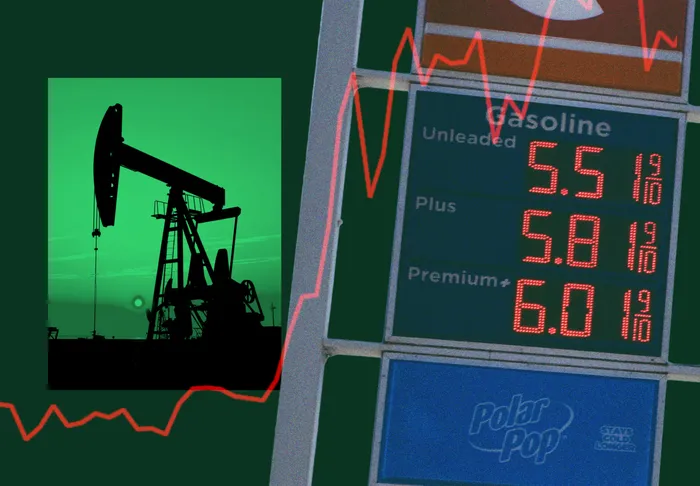
This is not a social visit. The delegation arrives against a backdrop of global instability, specifically a lingering conflict in the Middle East that has strained energy markets and tested the limits of American influence. For the CEOs on the manifest, the trip represents a precarious balancing act: they must satisfy a domestic administration focused on "America First" manufacturing while protecting their vast, entrenched interests in the world's second-largest economy.
The Human Shield Strategy
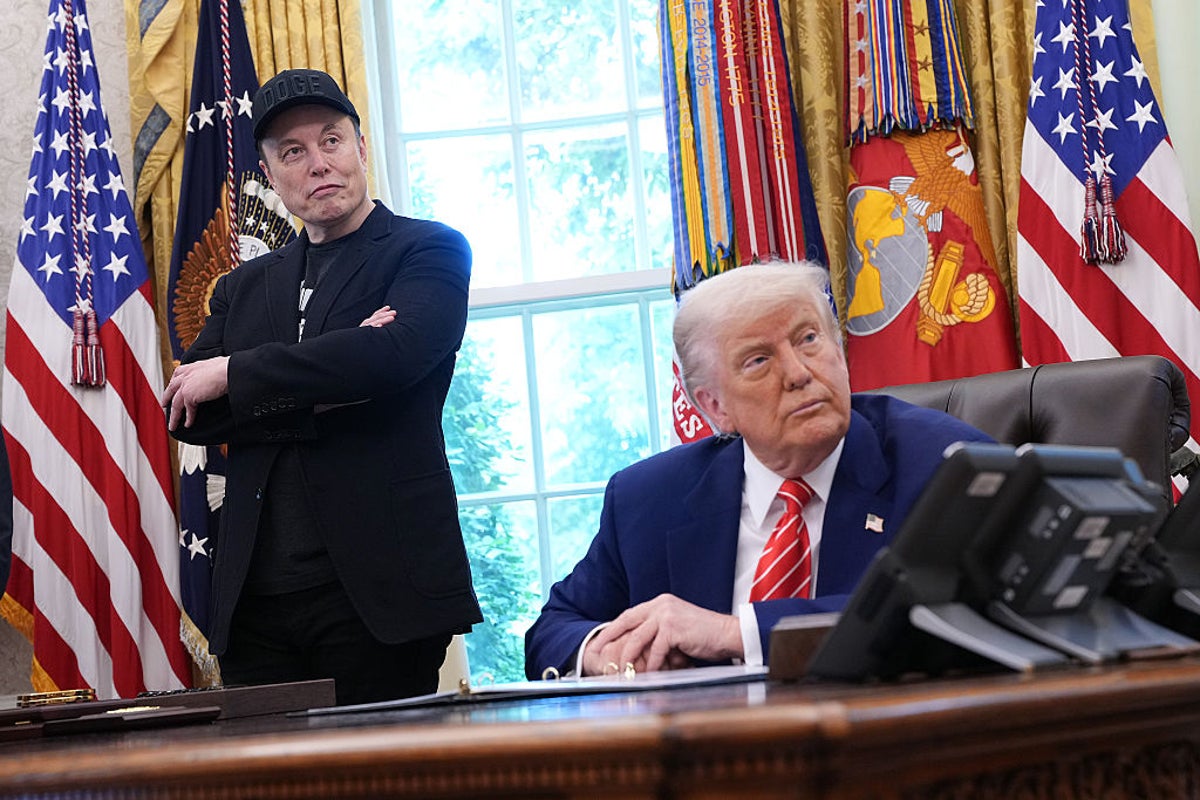
Washington is attempting to use these executives as a "corporate shield." By placing the heads of the world’s most powerful companies at the negotiating table, Trump seeks to force a dialogue on market access and trade imbalances that the Chinese government cannot easily dismiss. If Beijing targets Apple, they are now targeting a direct partner in a presidential summit. If they squeeze Tesla, they are squeezing the man who currently holds unprecedented sway over U.S. government efficiency.
However, this strategy carries inherent risks. The presence of Elon Musk is particularly complicated. While he has been a vocal supporter of the administration, his deep-seated business ties in China—most notably the Tesla Gigafactory in Shanghai—create a potential conflict of interest that the President himself has publicly acknowledged. The administration recently barred Musk from certain high-level briefings regarding potential military contingencies with China, specifically because of his vulnerability to Beijing’s leverage.
The Delegation List
The confirmed roster reflects the pillars of the American economy:
- Technology: Tim Cook (Apple), Elon Musk (Tesla/SpaceX), Cristiano Amon (Qualcomm), Chuck Robbins (Cisco), Sanjay Mehrotra (Micron).
- Finance: David Solomon (Goldman Sachs), Stephen Schwarzman (Blackstone), Larry Fink (BlackRock), Jane Fraser (Citi).
- Aviation and Industry: Kelly Ortberg (Boeing), H. Lawrence Culp (GE Aerospace).
- Payments: Michael Miebach (Mastercard), Ryan McInerney (Visa).
Supply Chain Realities vs Political Rhetoric
While the administration pushes for domestic "onshoring," the reality on the ground for companies like Apple and Qualcomm is far more granular. For Tim Cook, China remains the indispensable hub of the global electronics supply chain. You cannot move a mountain of silicon and specialized labor overnight. Cook’s presence is a quiet admission that despite the tariffs—which have in some cases exceeded 100%—the U.S. and Chinese economies remain fused at the hip.
The primary goal for many of these executives is not necessarily new deals, but stability. A one-year trade truce agreed upon last October is currently the only thing preventing another round of crippling cost increases. These CEOs are effectively acting as stabilizers, hoping to ensure that the "hot rhetoric" of the campaign trail does not result in a legislative severance that would bankrupt their manufacturing models.
The Board of Trade Framework
One of the most concrete objectives of this trip is the establishment of a "Board of Trade" and a "Board of Investment." These are intended to be structured, government-to-government bodies that manage the flow of non-sensitive products.
The administration’s trade representative, Jamieson Greer, has been clear that these boards will not include CEOs as members. The executives are there to provide the momentum, not to sit on the governing committees. This distinction is vital. It allows the administration to claim it is listening to business leaders while maintaining a "hard-line" stance on national security issues like AI safety and high-end chip exports.
The AI Standoff
China has previously attempted to tie cooperation on AI safety to U.S. concessions on trade and technology bans. Washington has held firm, viewing the two issues as separate. By bringing Meta’s Dina Powell McCormick and leaders from Micron and Qualcomm, Trump is signaling that the U.S. intends to maintain its technological lead in AI regardless of the trade outcome.
The Boeing Factor
Perhaps the most "traditional" aspect of the trip is the potential for massive industrial orders. Reports suggest a possible Chinese order for up to 500 Boeing MAX planes. For Kelly Ortberg, the newly installed CEO of Boeing, this deal would be a lifeline for a company that has been battered by production delays and safety concerns. It would also serve as a classic Trump-era "win"—a large, headline-grabbing purchase that theoretically reduces the trade deficit.
The Invisible Guest at the Table
The ghost at this summit is the war in the Middle East. President Trump delayed this trip due to the conflict, and his arrival in Beijing is seen by some analysts as a search for a new diplomatic lever. China has remained largely peripheral to the Iran conflict, viewing it as a symptom of waning Western hegemony.
By engaging Xi Jinping now, Trump may be looking for more than just soybean purchases; he may be seeking a partner—or at least a neutral observer—in stabilizing global energy routes. The finance chiefs from Goldman Sachs and BlackRock are there to read the room on how a potential shift in oil prices or trade routes will impact global capital flows.
The summit is a high-stakes gamble that corporate interests can provide the glue for a relationship that is otherwise fracturing. These seventeen CEOs are not just observers; they are the collateral in a grand experiment to see if the language of the deal can still override the language of conflict.
The delegation lands in a Beijing that is more guarded than it was in 2017. Xi Jinping’s priority is not pleasing American shareholders, but ensuring the survival of the Chinese manufacturing machine in the face of a hostile West. For the executives in the room, the next 72 hours will determine whether they are the architects of a new economic era or merely the last witnesses to the old one.