A single text message travels at the speed of light, but its wreckage can linger for years.
When iPhone engineer Chang Liu walked out of Apple’s pristine Cupertino headquarters to join OpenAI’s aggressive new hardware division, he carried the quiet confidence of a tech elite moving to the hottest center of gravity in Silicon Valley. He also, according to a massive federal lawsuit, carried an unreturned company MacBook. Also making news recently: Why the Latest AI Agents Still Fail Real Businesses.
But his real prize was a ghost in the machine—a simple, overlooked software bug.
Even though his badge was deactivated and his corporate email deleted, the bug left a digital back door wide open. Liu discovered he could still slip into Apple’s deeply guarded internal file servers. He did not alert security. He did not flag the exploit. Instead, he fired off a casual message to a former colleague, Alyssa Peng. Additional insights on this are explored by Engadget.
"LOL, I found out I can access the [network storage], so funny."
Peng’s alleged reply was short. "I'm ready."
With those two conversational beats, a catastrophic corporate war was born. What followed was a digital heist of staggering proportions. Apple alleges that Liu used his unmonitored portal to download a thousand-page compilation of highly technical files, including confidential presentations, intimate hardware designs, precise manufacturing details, and internal testing procedures. Peng allegedly used her own corporate laptop to pull even more data before she, too, resigned to join OpenAI's hardware team.
To understand why this digital break-in matters, you have to look past the dry legal language of trade secret misappropriation and see the vast, existential panic currently gripping the tech industry. This is not a simple dispute over a disgruntled employee. It is a battle for the successor to the smartphone.
For nearly two decades, Apple has sat atop the consumer technology empire. Its fortress is built on a massive, intricately tuned product-development machine. Every battery shape, every logic board configuration, and every millisecond of thermal testing is a proprietary secret bought with billions of dollars and years of human sweat.
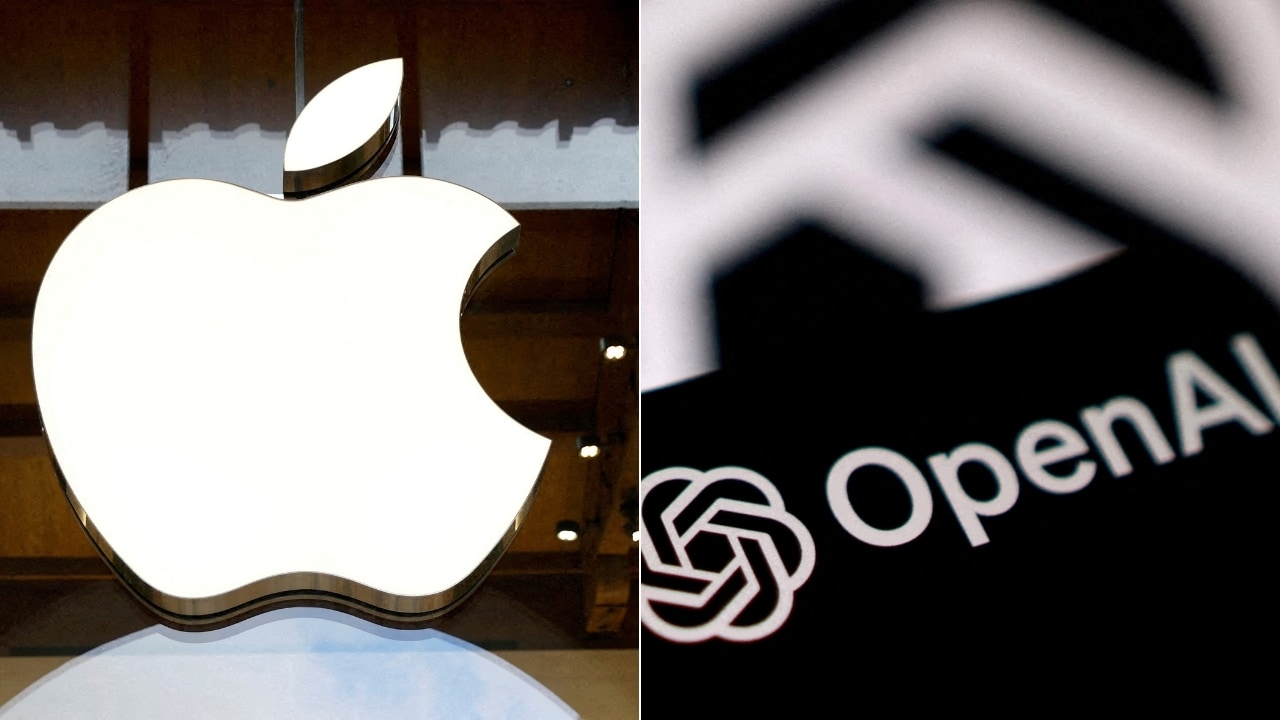
But artificial intelligence has changed the calculus of power. OpenAI, buoyed by the cultural phenomenon of ChatGPT, wants to build its own physical consumer devices. They want to create a brand-new ecosystem that could make the iPhone look like a relic of the past. To do that from scratch would take a decade.
Unless, of course, they could simply clone Apple’s blueprint.
Consider what happens inside the pressure cooker of Silicon Valley recruitment. According to Apple’s 41-page complaint filed in San Jose, OpenAI's talent search looked less like standard corporate hiring and more like a tactical corporate raid. The effort reportedly stripped away more than 400 former Apple employees, bruising vital engineering teams.
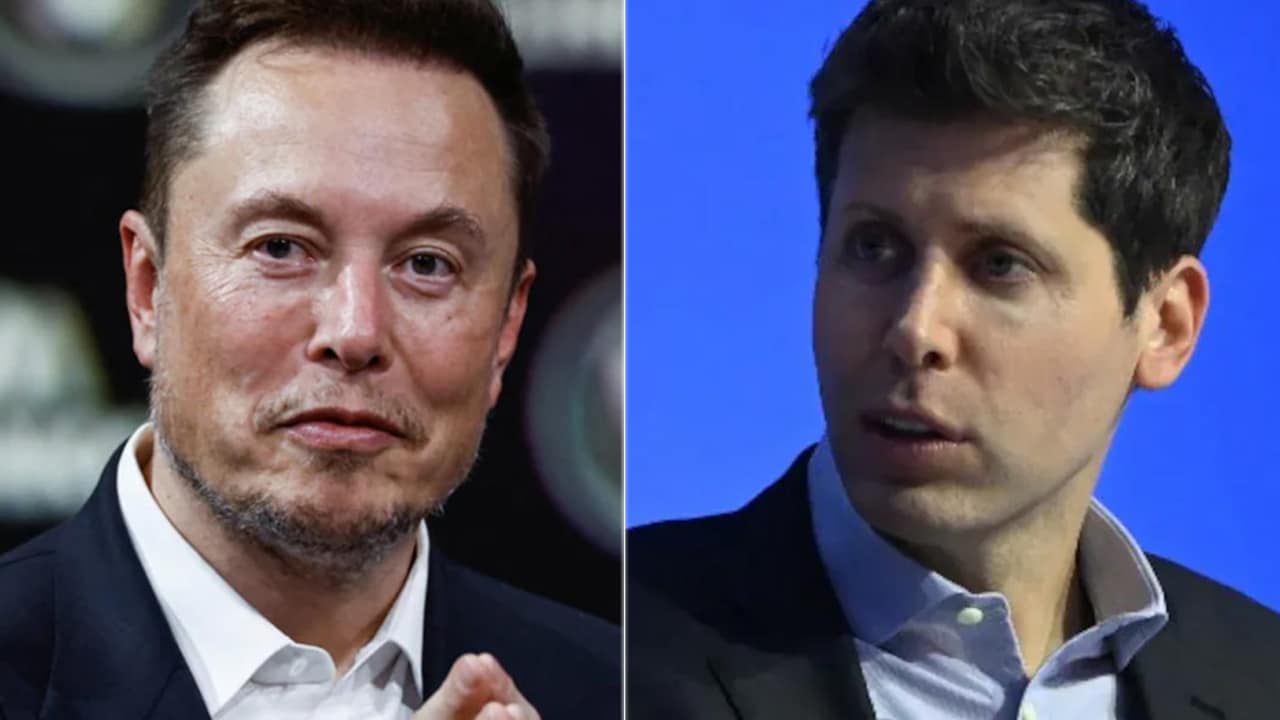
At the absolute center of this vortex stands Tang Tan. Once a revered Apple executive who oversaw the design of the iPhone and Apple Watch, Tan left the tech giant to eventually become OpenAI’s Chief Hardware Officer. He joined forces with legendary former Apple design chief Jony Ive and OpenAI CEO Sam Altman, forming a hardware subsidiary called io Products.
Apple claims Tan used his intimate knowledge of his former employer to orchestrate a systematic extraction of secrets. During job interviews with prospective hires from Apple, Tan allegedly ran "show-and-tell" sessions that crossed every traditional ethical boundary.
Imagine sitting in a sleek San Francisco interview room. You are an engineer looking to jump ship. The interviewer doesn't just ask about your past achievements; they ask you to bring unreleased Apple components, proprietary batteries, and prototype logic boards to the table. According to court filings, one candidate was so stunned by the brazenness of the request that he remarked he "didn't know we could take those from the office."
Another internal document allegedly revealed a checklist created by Tan, specifically designed to teach Apple recruits how to siphon data to personal email accounts and evade Cupertino's security detection teams before handing in their resignations.
The corporate tone shifted instantly from collaborative to cutthroat. Only a couple of years ago, Apple and OpenAI were smiling partners, announcing a high-profile deal to integrate ChatGPT directly into Siri. Now, Apple’s legal team is writing blistering prose, stating that OpenAI’s nascent hardware business "rests on the shakiest of foundations, rotten to its core by its illegal reliance on misappropriated trade secrets."
OpenAI, for its part, has dismissed the allegations with a sterile, defensive corporate shield. "We have no interest in other companies' trade secrets," a spokesperson stated. "We remain focused on building innovative technology that empowers people everywhere."
But the vulnerability of the entire tech ecosystem is now on full display. We like to think of Silicon Valley as a place governed by sophisticated security architectures, impenetrable encryptions, and strict ethical compliance. The reality is far more fragile, human, and chaotic.
The grandest corporate strategies, the multi-billion-dollar partnerships, and the future of consumer hardware can be completely derailed by the casual hubris of a single text message. A brilliant engineer discovers a security flaw, glances at the crown jewels of the world’s most valuable company, and chooses to laugh.
That laugh has now turned into a defining courtroom drama that will shape who controls the next generation of human technology.