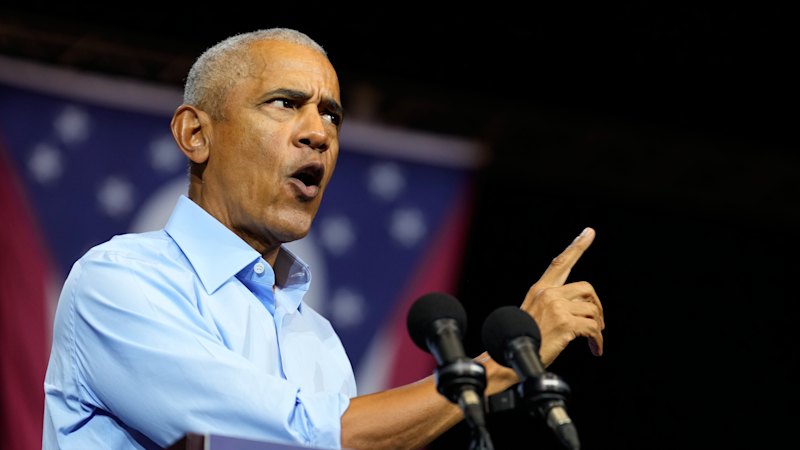
Most international headlines treat Israeli election rallies like pep rallies for a single personality, completely missing the cold electoral math happening behind the stage. When former IDF Chief of Staff Gadi Eisenkot steps onto a platform for a final rally against Benjamin Netanyahu, the crowd isn't just cheering for another politician. They're looking at a specific, calculated bet on how Israel's fragmented center-right actually forms a government.
If you've followed Israeli politics over the last few years, you know the script by heart. Elections in Israel aren't won by sweeping mandates anymore. They're won in the margins, seat by seat, inside a 120-member Knesset where a shift of two mandates decides whether a coalition survives or collapses before its first budget passes. Eisenkot's closing push before the Israeli election is designed specifically to pull soft right-wing and security-minded voters away from Netanyahu's Likud bloc without alienating centrist partners.
That distinction matters. A lot.
Why Gadi Eisenkot Is the Real Threat to Netanyahu's Base
For years, Netanyahu's sharpest political weapon was framing every opponent as weak on security or overly eager to make territorial concessions. It worked against traditional Labor leaders, and it even worked against other former generals who sounded too eager to please Washington. Eisenkot doesn't fit that caricature, which is why Likud strategists treat him differently than standard opposition figures.
As the 21st Chief of Staff of the Israel Defense Forces from 2015 to 2019, Eisenkot commanded the military during years when Netanyahu himself served as prime minister. He authored the IDF Strategy document, oversaw operations against Iranian entrenchment in Syria, and handled the Gaza border protests without plunging the country into an open-ended ground war he didn't think served strategic goals. Voters know his resume. You can't easily paint a former IDF chief who worked side-by-side with Netanyahu for four years as naive about Middle Eastern realities.
His personal story also carries heavy weight across Israeli society, far beyond partisan lines. During the war in Gaza following October 7, 2023, Eisenkot lost both his son, Master Sgt. Gal Meir Eisenkot, and his nephew, Sgt. Maor Cohen Eisenkot, in combat while serving in the war cabinet. When he speaks at a final rally about national responsibility, burden-sharing, and the cost of leadership failures, people listen differently than they do to career politicians trading soundbites in television studios.
Honestly, that's the core dynamic most surface-level news reports miss. Eisenkot isn't trying to out-shout Netanyahu at a podium. He's offering an alternative model of leadership—quiet, institutional, and focused on restoring state stability after years of constitutional crisis and multi-front war.
What Happens at an Israeli Election Final Rally
If you expect American-style balloons, teleprompters, and celebrity warm-up acts, an Israeli closing rally will look pretty jarring. In Israel, the final days before polls open are pure triage. Campaigns aren't trying to convert ideological opposites at the eleventh hour; they're trying to stop voter leakage to smaller parties that might fail to cross the 3.25% electoral threshold.
Under Israel's proportional representation system, wasting votes on a party that gets 3.1% of the national vote is fatal. Every single ballot cast for a party below that cutoff disappears, effectively handing extra Knesset seats to the opposing bloc. At a final rally, Eisenkot's message to undecided voters is blunt: don't split the camp, don't stay home, and don't gamble on fringe lists.
Here's what campaigns actually focus on during those closing hours:
- Turnout in swing suburbs. Cities in the central coastal plain—places like Rishon LeZion, Petah Tikva, and Herzliya—hold tens of thousands of pragmatic voters who backed Likud in past decades but grew exhausted by judicial overhaul battles and wartime governance disputes.
- The ultra-Orthodox draft issue. Few topics anger secular and traditional right-wing voters more than exemptions from military service during a prolonged war. Eisenkot has made universal service and equal burden-sharing a central pillar of his pitch, hitting a raw nerve inside Netanyahu's coalition.
- Post-war diplomatic realism. While Netanyahu leans heavily on defiance toward international pressure, Eisenkot argues that Israel's long-term security depends on rebuilding regional alliances and keeping strong coordination with the United States.
Notice what's missing from that list. There's almost zero focus on vague ideological slogans. Everything comes down to competence, governance, and who can actually hold a 61-seat majority together after the ballots are counted.
The Coalition Math Nobody Wants to Talk About
Winning the most votes in an Israeli election doesn't automatically make anyone prime minister. You can finish first and still sit in the opposition if you don't have a path to 61 Knesset seats. That's the trap that turned five elections between 2019 and 2022 into a political deadlock.
When Eisenkot rallies supporters against Netanyahu, he's walking a tightrope between two competing realities. On one side, he needs enough seats to make his faction the undeniable anchor of an alternative coalition. On the other side, any anti-Netanyahu government still has to figure out how to govern without relying on partners whose demands will blow up the coalition within six months.
Netanyahu's advantage has always been bloc discipline. Even when Likud polls lower than expected, Netanyahu usually commands a tightly aligned group of right-wing and religious parties—Shas, United Torah Judaism, and the far-right factions—that refuse to sit with anyone else. The opposition, by contrast, stretches from hawkish ex-Likudniks to center-left liberals and Arab parties. Keeping those groups aligned after election night is infinitely harder than getting them to cheer at a rally.
Eisenkot's pitch tries to solve that problem by positioning himself as the adult in the room who can bridge the center and the moderate right. Whether voters buy that pitch depends entirely on whether they believe a broad unity-style coalition can survive without Netanyahu at the head of the table.
Common Misconceptions About Eisenkot's Political Playbook
Watching from outside Israel, it's easy to misread what Eisenkot represents. Cable news panels often flatten Israeli politics into a simple binary—pro-peace versus pro-war, or left versus right. That framing falls apart the second you look at Eisenkot's actual record.
First, Eisenkot isn't a dovish leftist. He's a classic Israeli security pragmatist. He believes in overwhelming military deterrence when necessary, coupled with clear political objectives so the army isn't left fighting endless tactical battles without an exit strategy. During his time in the emergency war cabinet, he repeatedly clashed with Netanyahu precisely because he wanted defined post-war governance plans for Gaza rather than open-ended military administration.
Second, his rivalry with Netanyahu isn't rooted in personal bitterness, even though their political split is total. People who've worked around both men point out that Eisenkot operates like a military staff officer—methodical, allergic to drama, and focused on decision-making processes. Netanyahu operates like a master political tactician who keeps options open until the last possible second. Those two styles were always going to collide under extreme pressure.
Third, don't assume a strong final rally guarantees momentum at the ballot box. Israeli polls frequently miss late shifts by two or three seats because voters wait until the night before—or even the drive to the polling station—to decide which slip of paper to drop into the envelope.
How to Read the Results When Polls Close
If you want to understand what Eisenkot's final push actually achieved once Israeli television networks release their exit polls at 10:00 PM local time, skip the raw popular vote percentages and look straight at three numbers.
Look first at the total seat count for Netanyahu's loyalist bloc. If Netanyahu's core coalition hits 61 seats on its own, the opposition's rally energy didn't move enough soft-right voters to break his grip on power. If his bloc stalls at 57 or 58 seats, everything changes immediately, because Netanyahu has no obvious backup partners left to recruit.
Next, check how many parties fail to pass the 3.25% electoral threshold. Every time a small party on either side falls short, the remaining seats get redistributed proportionally to the parties that survived. A single missed threshold on the anti-Netanyahu side can wipe out an entire night of strong turnout in central Israel.
Finally, watch the gap between Eisenkot's list and other centrist or right-leaning opposition parties. In Israeli coalition negotiations, the leader of the largest faction inside a bloc holds enormous leverage over who gets the first crack at forming a government from the president, and who controls key ministries like Defense, Finance, and Foreign Affairs. Track those three indicators as the real results roll in overnight, and you'll know within hours whether Eisenkot's closing argument broke Netanyahu's coalition lock or left Israel staring at another round of political deadlock.