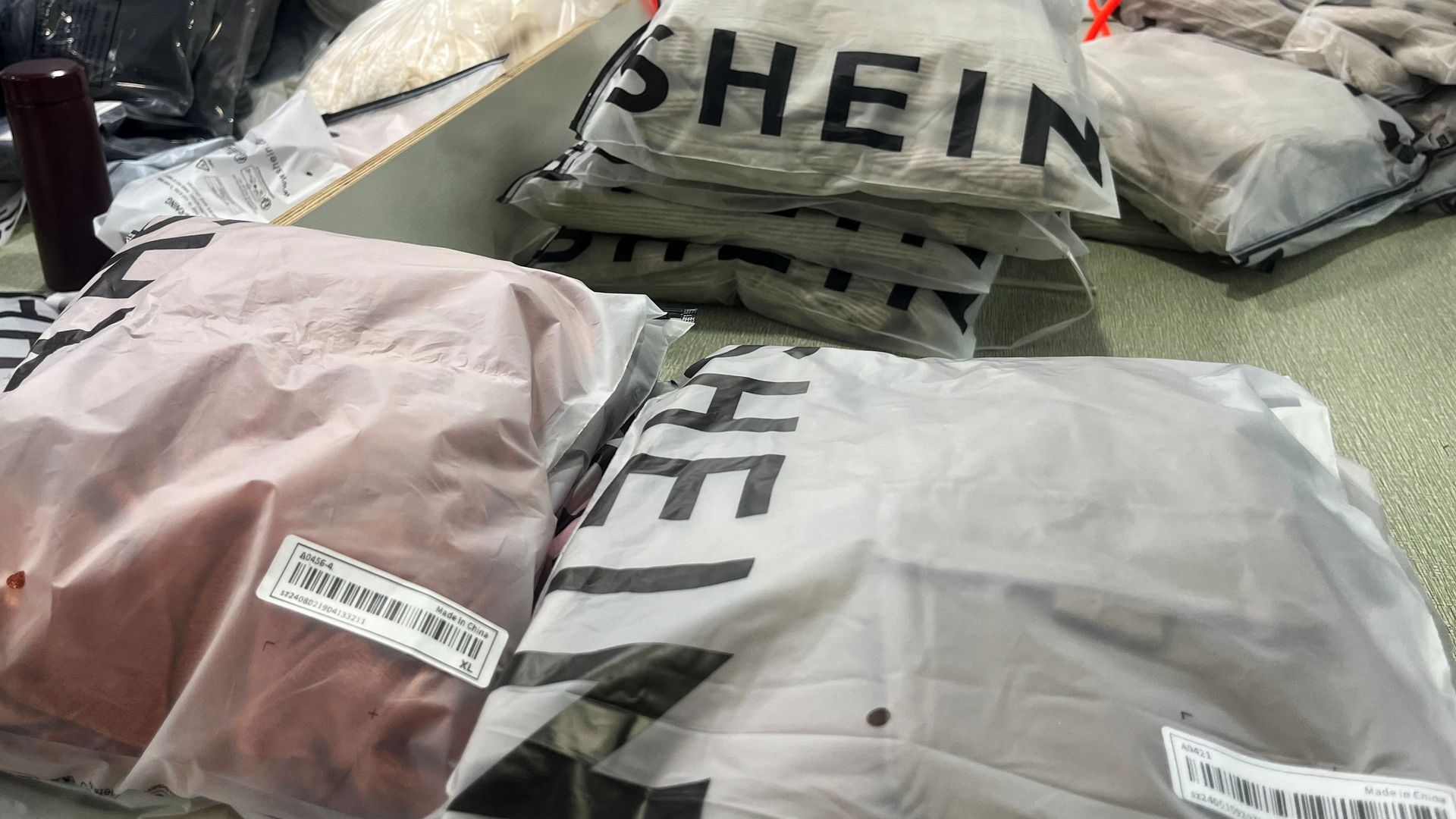
The package arrives in a crinkling, opaque mailer, smelling faintly of heated industrial plastic and dye. Inside lies a dress that cost less than a cup of artisanal coffee. For millions of late-night scrollers, this is the modern magic trick: instant retail gratification delivered straight to the doorstep within a week. But behind the endless parade of micro-trends, algorithmic drops, and haul videos lies a quiet truth. The shine is coming off the empire.
Consider the trajectory of a company built entirely on speed. For years, the titan of ultra-fast fashion operated like a digital ghost ship, navigating regulatory blind spots and cultural apathy with breathtaking velocity. Every click on a smartphone screen fed a hyper-responsive supply chain hidden deep within the industrial provinces of Guangzhou. Thousands of small-scale apparel workshops worked around the clock, turning sketches into inventory at a pace that left traditional high-street brands gasping for air.
Then came the grand ambition. A public stock offering floated on the horizon like a promised land.
Yet, ambition has a way of attracting light. And light reveals dust.
To understand why the gloss is fading from this retail juggernaut, you have to look past the valuation spreadsheets and examine the human cost of absolute efficiency. Take Elena, a fictionalized apparel worker whose reality mirrors hundreds of documented accounts from factory floors in southern China. Elena works fifteen-hour shifts under buzzing fluorescent lights, sewing seams on garments destined for American and European teenagers who will wear them twice before tossing them into a donation bin—or worse, the trash. Her paycheck fluctuates based on piece rates so tight that pausing to drink water feels like a luxury she cannot afford.
For a long time, the corporation could outrun these stories. Distance was its best defense. Oceans separated the consumer from the creator, allowing shoppers to live in a comfortable state of cognitive dissonance. You cannot smell the chemical treatment on the fabric through an Instagram Reel. You cannot hear the hum of the sewing machines behind a five-star review.
Cracks formed slowly, then all at once.
Governments started paying attention. Lawmakers in Europe and the United States began drafting stringent supply chain transparency laws, aiming their crosshairs at forced labor allegations and the staggering environmental toll of disposable clothing. The loophole that allowed billions of dollars of low-value parcels to enter Western markets duty-free—known in the United States as the de minimis exemption—began to face fierce political scrutiny. Suddenly, a business model engineered to exploit regulatory gray areas found itself standing naked in the harsh glare of public accountability.
Valuation metrics stalled. Investor enthusiasm cooled. The road to an initial public offering became less like a triumphant parade and more like an uphill slog through wet cement.
Scale brings vulnerability. When you are small, you can hide. When you become the dominant force in global apparel shipping—accounting for a massive share of all air cargo leaving China—every misstep is magnified. Environmental groups started testing the garments, publishing reports detailing hazardous levels of lead, phthalates, and PFAS chemicals in children's wear and accessories. Parents who clicked "buy" out of budget-conscious necessity suddenly felt a cold knot of anxiety in their stomachs.
Safety is not negotiable. Price is alluring, but poison is a dealbreaker.
The corporate response has been a masterclass in modern public relations panic. Millions of dollars poured into rebranding efforts, creator factory tours designed to showcase clean floors and happy workers, and sustainability pledges meant to soothe nervous institutional investors. But a polished press release cannot rewrite a fundamental design flaw. The entire edifice rests on a foundation of hyper-consumption that is mathematically and ecologically unsustainable.
Think about the sheer volume. When a system churns out thousands of distinct new styles every single day, waste is not a byproduct. Waste is the engine.
Consumers are changing, too. Gen Z, paradoxically blamed for driving the fast-fashion boom through viral hauls, is also leading the cultural backlash against it. Thrift culture, vintage apps, and anti-consumerism movements have carved out a massive psychological counter-weight. Wearing clothes that signal reckless disregard for the planet is shifting from a guilty pleasure to a social faux pas.
The flotation nears, but the water is churning.
Regulatory walls are closing in. Supply chain costs are ticking upward as wage pressures mount in manufacturing hubs. Competitors with deeper pockets and established physical retail footprints are learning to mimic the algorithm while avoiding the geopolitical lightning rods that target foreign-founded entities.
The machine still hums. Millions of packages still cross oceans every single night. But the invincible aura is gone. The empire of instant gratification is discovering a hard, immovable truth: you can manufacture millions of dresses overnight, but trust takes a lifetime to sew.
The mailer drops on the porch. The plastic tears open. But the person holding the dress is starting to look closer at the label, wondering what it actually cost to make something so cheap.