A recent study out of China has confirmed that a virus previously thought to be confined to aquatic life can infect human retinal cells. This discovery involves the Infectious Spleen and Kidney Necrosis Virus (ISKNV), a pathogen that has long been the scourge of the aquaculture industry. For years, the scientific consensus held that the physiological gap between cold-blooded fish and warm-blooded humans was a wide enough moat to prevent spillover. That moat is drying up. Researchers found that the virus can not only enter human eye cells but also replicate within them, potentially leading to severe ocular inflammation and vision loss.
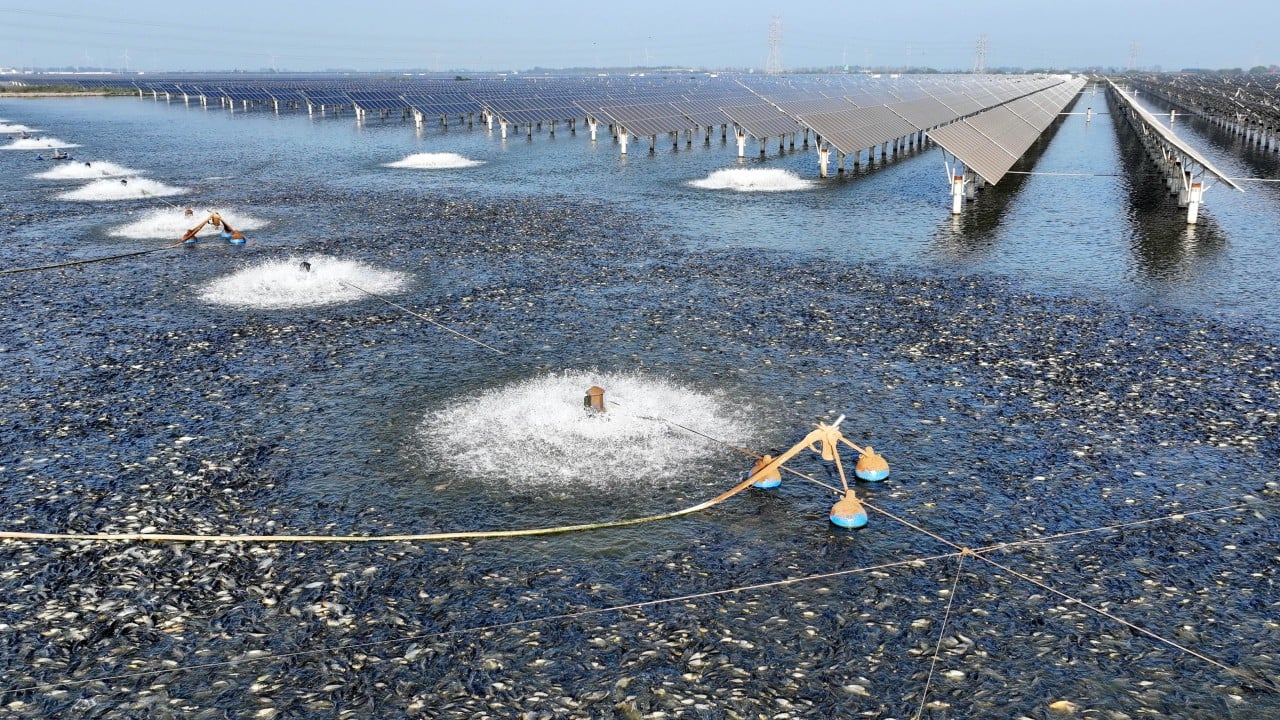
This is not a hypothetical threat for the distant future. The study, led by teams from the Southern Medical University in Guangzhou, highlights a specific vulnerability in how we interact with our food systems and natural environments. While the general public remains largely unaware of ISKNV, the virus is a well-known killer in fish farms, where it causes systemic hemorrhaging and high mortality rates in species like mandarin fish and perch. The jump from a fish's kidney to a human's eye represents a terrifyingly short leap in evolutionary terms, facilitated by direct contact with contaminated water or infected animal tissues.
The Mechanism of Ocular Entry
The human eye is an immunologically privileged site, meaning it has its own unique defense systems designed to limit inflammation that might otherwise damage delicate sight-dependent tissues. However, this same privilege can be exploited by opportunistic pathogens. ISKNV belongs to the Megalocytivirus genus, a group of large DNA viruses known for their stability in various environments.
The researchers utilized human retinal pigment epithelial (RPE) cells to test the virus's invasive capabilities. These cells form the outer blood-retinal barrier and are essential for maintaining the health of photoreceptors. When exposed to ISKNV, the RPE cells showed clear signs of cytopathic effects—the physical manifestations of viral damage. The virus hijacked the cellular machinery to produce new virions, effectively turning the human eye into a factory for an aquatic pathogen.
What makes this particularly concerning is the temperature factor. Historically, many fish viruses could not infect humans because our core body temperature of 37°C was too high for their enzymes to function. The surface of the eye, however, is cooler than the rest of the body. It sits at a sweet spot that may allow aquatic viruses to bridge the gap between species.
Behind the Research Curtain
We have to look at the "why" behind this jump. Viral evolution is a numbers game. In the dense, high-stress environments of industrial aquaculture, viruses have millions of opportunities to mutate and find new ways to survive. When thousands of fish are packed into pens, a virus can circulate and evolve at an accelerated rate. This creates a biological pressure cooker.
The study utilized advanced imaging and molecular techniques to track the viral DNA as it moved through the human cells. They observed that the virus triggers apoptosis, or programmed cell death, in the retinal cells. This isn't just a mild infection that clears up on its own; it is a destructive process that targets the very foundation of how we see the world.
The Problem with Current Surveillance
Our global health monitoring systems are largely designed to catch respiratory viruses or those spread by insects. We are looking for the next flu or the next mosquito-borne fever. We are not looking at the water in our buckets or the runoff from our industrial fish farms with the same level of scrutiny. This creates a massive blind spot in our biosecurity.
Current diagnostic tools in hospitals are not set up to identify ISKNV in a patient presenting with uveitis or retinal damage. A doctor sees an inflamed eye and might prescribe steroids or standard antivirals meant for Herpes Simplex. If the culprit is an aquatic virus, these treatments might be ineffective or, in the case of steroids, could actually make the infection worse by suppressing the local immune response.
Mapping the Risk Profiles
Who is actually at risk here? It isn't just someone taking a casual dip in the ocean. The highest risk resides with those on the front lines of the "blue economy."
- Aquaculture Workers: People handling infected fish daily, often without protective eyewear.
- Fish Market Vendors: Those processing raw fish in humid, crowded environments where water droplets can easily be flicked into the face.
- Recreational Fishers: Anglers who handle their catch and then rub their eyes or face without sanitizing their hands.
- Water Sport Enthusiasts: Divers and swimmers in areas with high levels of agricultural or aquaculture runoff.
The geographic focus of the study in China is significant because the region is a global hub for aquaculture. However, ISKNV and its relatives have been detected in fish populations worldwide, including in the United States, Southeast Asia, and Australia. This is a global distribution problem, not a localized incident.
Questioning the Status Quo of Food Safety
We have long assumed that as long as we cook our fish, we are safe. This study shifts the focus from ingestion to contact. You don't have to eat the virus to be affected by it. The simple act of preparing a meal or cleaning a tank could be the point of transmission.
The aquaculture industry has been quick to dismiss these findings as preliminary or limited to laboratory settings. That is a dangerous stance. We have seen time and again that what happens in a petri dish can eventually manifest in the general population if the environmental conditions are right. The industry needs to move toward closed-loop systems that prevent the exchange of pathogens between farmed stocks and the surrounding environment.
The Limitation of the Data
It is vital to remain grounded in what the study actually showed. The researchers proved that the virus can infect human cells in a lab. They have not yet documented a widespread outbreak in the human population. There is a difference between cellular susceptibility and a public health crisis. However, the discovery of the mechanism is the warning shot. By the time we see a cluster of human cases, the virus will have already established itself.
The Economic Impact of Blindness
If we ignore this, the costs won't just be measured in medical bills. They will be measured in lost productivity and permanent disability. Vision loss is one of the most expensive health issues to manage over a lifetime. If a common aquatic virus becomes a frequent cause of human eye disease, the strain on our healthcare systems will be immense.
The aquaculture industry itself faces a reckoning. If fish farms are identified as the source of human eye infections, the regulatory backlash will be swift and severe. It is in the best interest of these businesses to invest in higher biosecurity standards now, rather than waiting for a scandal that could shut down their operations.
A New Protocol for Water Safety
We need a fundamental shift in how we handle aquatic environments. This starts with better filtration in facilities that process fish and extends to personal protective equipment (PPE) for workers.
- Mandatory Eye Protection: Workers in the aquaculture and fish processing industries must wear goggles or face shields.
- Environmental DNA (eDNA) Monitoring: Utilizing $eDNA$ technology to scan water sources for high concentrations of ISKNV and other megalocytiviruses.
- Expanded Diagnostic Panels: Developing rapid tests for ISKNV that can be used in ophthalmology clinics when standard treatments fail.
- Public Awareness Campaigns: Teaching people the importance of washing hands after handling raw seafood or aquarium water, specifically emphasizing the danger of touching the eyes.
The assumption that there is a hard wall between aquatic life and human health is a relic of 20th-century thinking. We are part of an interconnected biological web. When we stress one part of that web through intensive farming and environmental degradation, the pathogens within it look for new hosts. The eye, with its cool surface and specialized immune system, has proven to be a doorway.
The challenge now is to seal that doorway before the trickle of laboratory findings becomes a flood of clinical cases. This requires a level of cooperation between marine biologists, virologists, and public health officials that we haven't seen before. We are no longer just protecting the fish; we are protecting our sight.
Stop treating the water as if it is a separate world. It is the same world, and the viruses living in it are getting better at navigating ours every day.