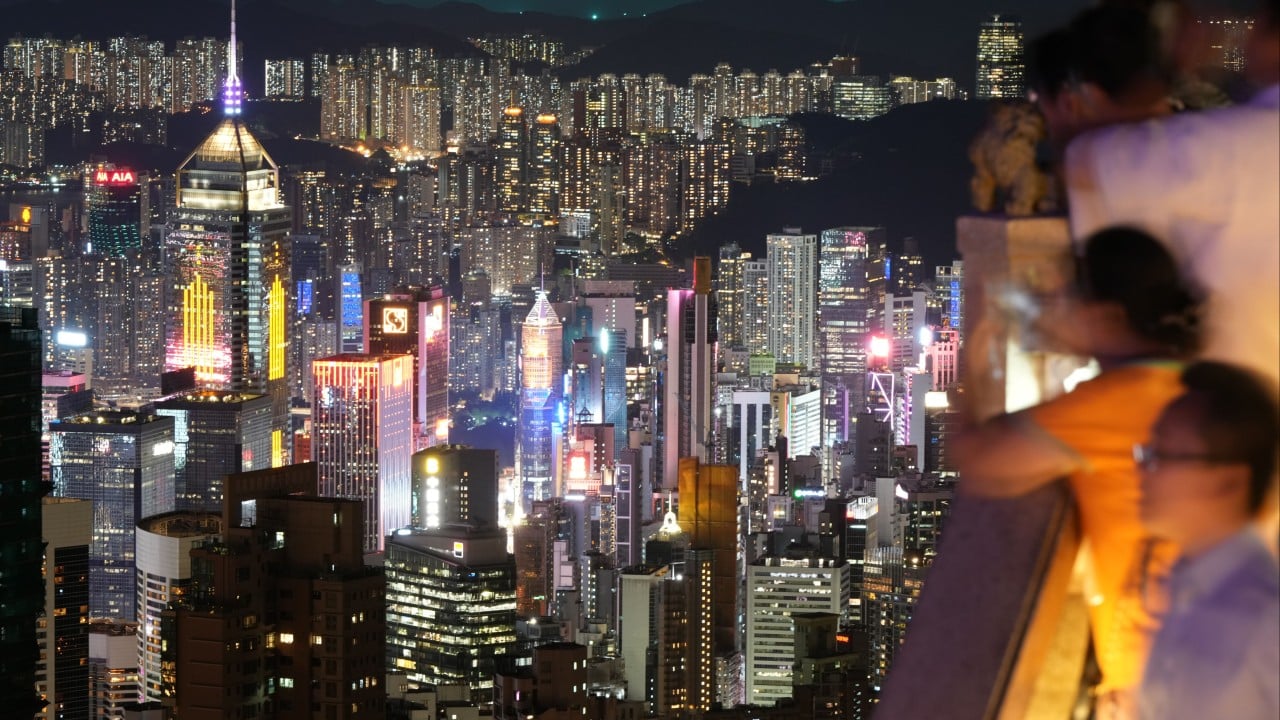
Walk down a narrow side street in Shinjuku just past midnight, and the neon starts to feel less like a celebration and more like a warning. The salarymen have loosened their ties, folding them into briefcase pockets with tired, mechanical precision. They are calculating something in their heads—the price of a bowl of ramen, the cost of a train ticket home, the invisible erosion of a paycheck that buys less and less with every passing moon.
Above them, towering glass monoliths reflect a stark financial reality. The yen is sliding. Not with a dramatic, cinematic crash that triggers panic in the streets, but with the quiet, devastating consistency of water leaking through an old foundation.
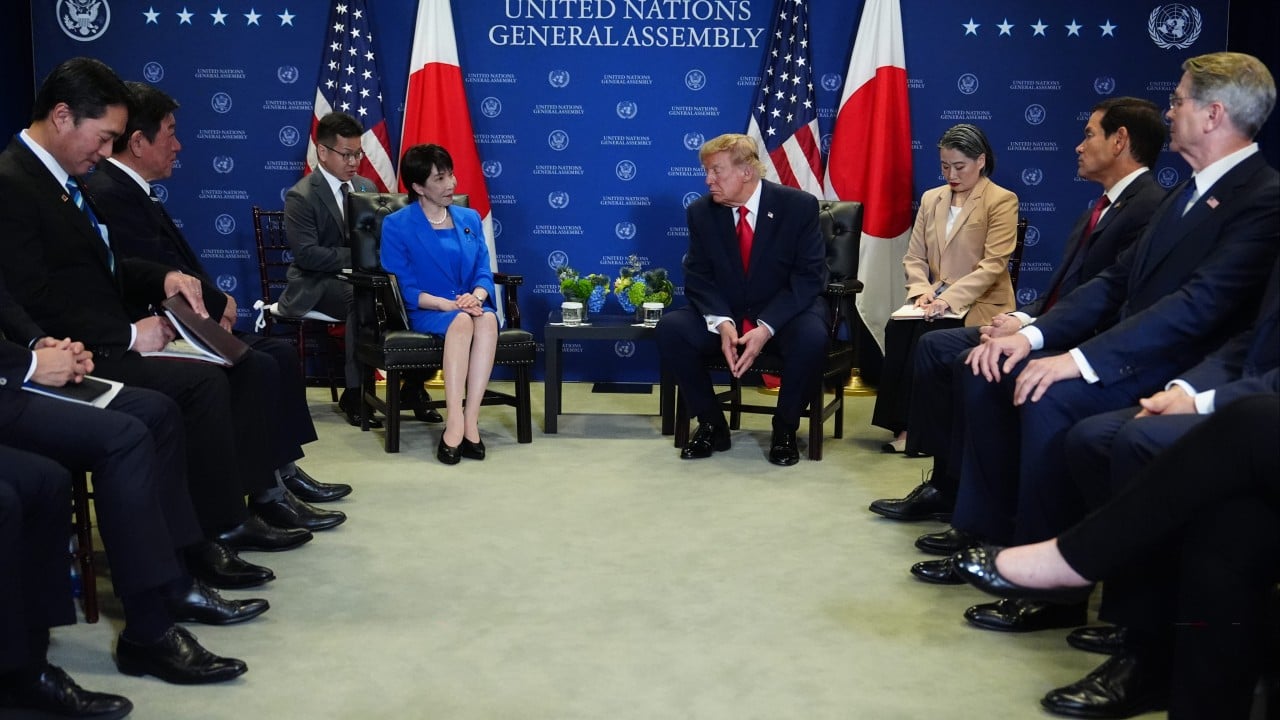
Across town, in the quiet, hyper-secure rooms where national leaders meet, the stakes of this slow-motion descent were recently laid bare. Prime Minister Sanae Takaichi sat across from Donald Trump, two figures burdened by the immense machinery of global economics, discussing a phenomenon that has ordinary citizens biting their nails down to the quick. Trump voiced sharp concern over the weak yen. It is a phrase that sounds bureaucratic, sterile, and distant—until you realize what it actually means for a family trying to buy groceries in Osaka.
A currency is never just a medium of exchange. It is a nation's pulse.
When that pulse weakens, the fever starts from the inside. To understand why a depreciating yen matters, you have to leave the macroeconomics textbooks behind and stand inside a small bakery in Kyoto.
Picture Kenji. He has been baking bread for thirty years, inheriting a shop with wooden floors that groan with history. Every morning at four, he fires up his ovens. For decades, the rhythm was predictable. Flour, water, yeast, heat. But lately, Kenji spends his pre-dawn hours staring at invoices that make his stomach knot. Because Japan imports the vast majority of its energy and a massive share of its agricultural raw materials, a weak yen acts as an invisible tax on everything that crosses the border.
Wheat costs more. Electricity to run the massive convection ovens costs more. Butter, packaged in imported wrappers, costs more.
Kenji faces a brutal arithmetic. If he raises the price of his loaves to match his rising costs, his loyal neighbors—retirees living on fixed pensions—won't be able to afford breakfast. If he absorbs the costs, his business dies a slow death. He stands in the dark, smelling the sweet, toasted yeast, wondering how a number moving on a screen in New York or London can dictate whether his life's work survives the week.
This is the human cost of currency depreciation. It transforms global trade imbalances into kitchen-table anxiety.
For years, policymakers championed a weaker yen as a deliberate strategy. The logic was seductive in its simplicity. A cheap currency makes Japanese cars, electronics, and machinery cheaper for foreign buyers. It was supposed to flood factories with export orders, turbocharge corporate profits, and drag the economy out of decades of stagnant growth.
And on paper, it worked. Corporations sitting on mountains of cash watched their overseas earnings swell when converted back into yen. Stock indices climbed, drawing applause from financial analysts who track success through quarterly earnings reports.
But policies built on cheap money have a half-life. They create an addiction.
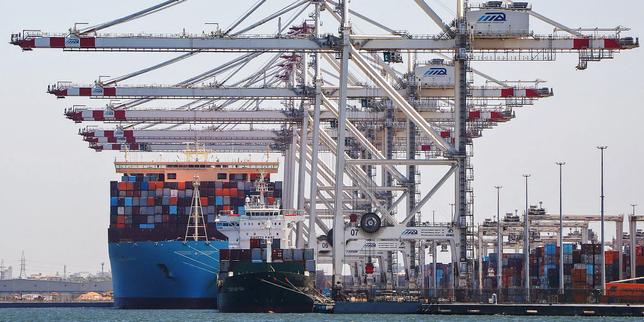
When currency values drop too far, too fast, the medicine becomes the poison. The export boost fails to compensate for the crushing weight of import dependency. Japan imports almost all of its fossil fuels. Every time a tanker crosses the ocean to power Tokyo's grid, it must be paid for in foreign currency. A weak yen means burning through more domestic wealth just to keep the lights on and the homes warm through freezing winter nights.
This is where geopolitics collides with kitchen table realities. When leaders like Trump express concern over a weak currency, they are looking at it through the lens of trade competition—fearing that a cheap yen gives Japanese exporters an unfair advantage in American markets, undercutting domestic industries. But from Tokyo’s perspective, the anxiety is inverted. Japanese officials are wrestling with the political and social fallout of citizens losing their purchasing power.
A nation cannot export its way to prosperity if its people cannot afford to live inside its borders.
Consider the psychological toll of a shrinking currency. In a society that prides itself on stability, predictability, and shared civic endurance, a devalued currency introduces a corrosive element of unpredictability. Young couples postpone marriage not out of a lack of affection, but because the cost of an apartment, a wedding, and a future child feels like a mountain made steeper by inflation driven by currency weakness.
The salaryman staring out the train window is not thinking about monetary policy frameworks or interest rate differentials. He is thinking about his daughter's upcoming university tuition fees, which are climbing because the global cost of education is indexed to stronger currencies. He is thinking about whether he will ever be able to afford that retirement trip to Europe he promised his wife when they were first married.
Markets are driven by algorithms, but they are sustained by human confidence. And confidence is an elusive emotional state.
When the prime minister of Japan sits down with global leaders to discuss the currency, they are performing a delicate high-wire act. They must signal strength to international investors while acknowledging the quiet desperation growing among ordinary workers. They must balance the demands of massive multinational conglomerates that profit from a weak currency against the desperate needs of local shopkeepers, pensioners, and families whose wages are not keeping pace with the cost of imported
The Weight of a Sinking Coin And What It Costs the Rest of Us
business
Step into a crowded market stall in Tokyo on a crisp autumn morning. The smell of grilled eel and roasting sweet potatoes hangs thick in the air, a comforting reminder of seasons changing. A vendor carefully slices open a melon, a prized item meant for a special family gathering, priced at ten thousand yen. To a tourist walking past with a pocketful of foreign dollars, the price looks like a bargain. To the mother standing across the counter, counting out notes earned from an aging husband's dwindling pension, it feels like a door slamming shut.
This is the hidden gravity of the weak currency. Headlines in financial capitals speak of exchange rates and summit rooms in abstract whispers, but on the ground, the story is told in the rising cost of a bowl of rice, the sudden luxury of imported fuel, and the quiet narrowing of everyday lives.
When newly minted Prime Minister Sanae Takaichi stepped into the high-stakes arena of international diplomacy, the whispers in the summit room turned sharp. Across the mahogany table, a towering figure who knows the political power of a hard currency pressed a familiar point. Donald Trump voiced deep concern over the staggering slide of the Japanese yen. To politicians, it was a diplomatic handshake and a warning shot. To ordinary citizens, it was a public naming of a private suffocation that has been building for years.
Money is a mirror. Right now, the mirror is cracked.
For decades, the global economic machine relied on a predictable script. Japan was the industrious engine of steady, quiet growth, holding a currency that anchored stability in Asia. But policies designed to cure a generation of sluggish growth created a monster of cheap money. Interest rates stayed glued to the floor while the rest of the world raced upward to fight inflation. Investors fled. Why keep your wealth in a currency that yields nothing when you can chase higher returns across the ocean?
Water flows downhill. Capital flows toward yield. And so the yen tumbled, sliding to levels not seen in decades, turning a tool meant to boost exports into a heavy tax on anyone who buys food, oil, or gas from beyond the nation's borders.
Consider what happens when a country imports nearly all of its energy and a massive portion of its daily nutrition. Every time the currency drops a fraction of a percentage point against the dollar, the cargo ship entering Tokyo Bay carrying liquefied natural gas or wheat becomes more expensive. The ship does not care about political speeches. The baker does not care about central bank models. They only see the utility bill doubling, forcing them to make an impossible choice: absorb the loss and close the shop, or pass it on to a customer whose wages have stayed stubbornly flat for twenty years.
This is where the grand theories of macroeconomic policy collide with human reality.
Economists in glass towers often talk about a depreciating currency as a blessing for corporate balance sheets. Massive conglomerates that sell cars and electronics to the world rejoice when their overseas profits are converted back home into a mountain of devalued local cash. Record profits flash on terminal screens in glittering financial districts. Bonuses are paid. Stock prices tick upward.
Yet, down the street, a small business owner who sources local ingredients but relies on imported packaging watches the math slip away. The trickle-down never quite hits the pavement. Instead, the wealth pools at the top of the export ladder while the floor drops out from beneath the domestic consumer.
Imagine a family sitting around a low wooden table at night, looking at a stack of bills that seems to grow taller each month while their savings account loses its purchasing power. They are not day-traders speculating on currency pairs. They are not hedge fund managers hedging against volatility. They are simply trying to live in a country where the ground beneath their feet feels like it is sliding toward the sea.
When world leaders air their anxieties in closed-door summits, they are rarely doing so out of pure altruism. A chronically weak currency creates global friction. It distorts trade balances, invites retaliatory whispers, and threatens to unravel the delicate trade webs that hold the global economy together. When Washington whispers, Tokyo listens, because an isolated economy is a vulnerable one.
Yet, fixing a broken currency is not like flipping a switch on a dashboard. To strengthen the yen, the nation's monetary guardians must walk a treacherous tightrope. Raise interest rates too fast to attract investors, and you risk choking off the fragile domestic recovery, triggering defaults among heavily indebted households and corporations who built their entire business models on the comfort of zero percent borrowing costs. Move too slowly, and you invite currency speculators to feast on the remains, driving the exchange rate into freefall and destroying public confidence entirely.
There is no painless exit from a trap built over thirty years. Every move has a cost. Every hesitation has a penalty.
The summit room empties. The leaders shake hands, pose for photographs against polished wood panels, and issue carefully worded statements designed to calm the markets before they open the next morning. The press corps disperses.
Back on the street, the night deepens. The neon signs of the city hum with relentless energy, casting long, bruised violet shadows across the pavement. The melon vendor packs up his stall, counting his earnings by the dim glow of a single bulb, wondering how much higher the price of tomorrow's inventory will climb. The exchange rate on a trader's screen in New York ticks downward by a fraction of a cent. Across an ocean and a world of difference, the two realities are bound together by the invisible, unyielding weight of a sinking coin.