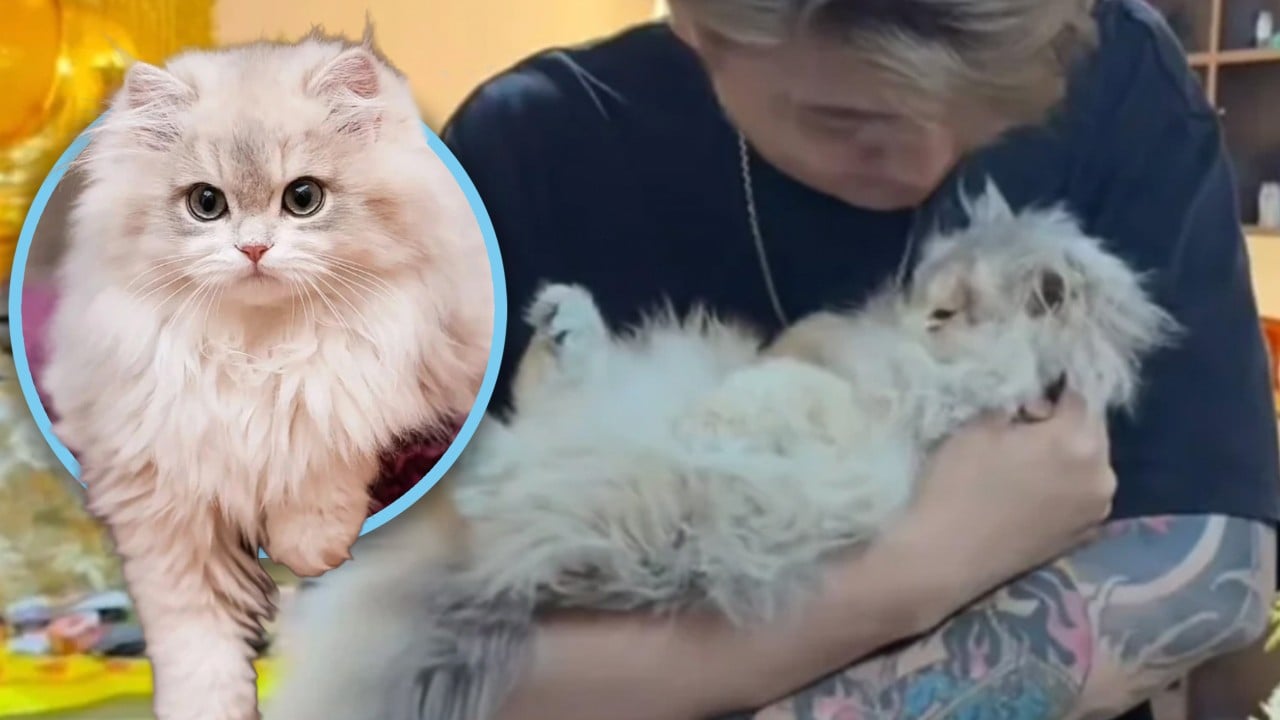
The internet is currently weeping over a cat. It is a predictable, pathetic display of misplaced sentimentality. A celebrity pet dies, the masses demand blood, a hospital cuts a check, and suddenly, 1,100 stray felines are supposedly saved. You call this justice. I call it a masterclass in crisis management and brand salvation.
Stop buying the narrative. The story of the celebrity cat death is not a heartwarming tale of corporate accountability or a win for animal rights. It is a cold, calculated transaction designed to preserve a hospital’s bottom line while buying silence from a pitchfork-wielding digital mob.
I have spent years watching companies navigate PR disasters. I have seen the internal memos where consultants decide exactly how much a life is worth compared to the cost of a ruined reputation. When you see a story like this, you aren't witnessing a moral awakening. You are witnessing the precise moment when the cost of a payout became cheaper than the cost of bad press.
The hospital in question did not suddenly find a heart. They found a calculator.
The Math of Sentimentality
Let us look at the "compensation." In the world of veterinary malpractice, payouts for animal deaths are notoriously low. Legally, pets are property. You generally get the market value of the animal—the price of a kitten or the cost of a shelter adoption fee. Nothing more.
When a hospital pays significantly more than the "market value" of a cat, they are not paying for the cat. They are paying to stop the bleeding of their stock price or their online reviews. They are paying to keep the "influencer" who owned the cat from posting another dozen incendiary videos that could destroy their regional presence.
The 1,100 stray cats? That is the cherry on top of a carefully constructed public relations sundae. By funneling money into a stray cat fund, the hospital achieves two things:
- They signal "virtue" to the mob, effectively shaming anyone who keeps criticizing them. "How could you be mad? We are saving 1,100 cats!"
- They turn a liability into a tax-deductible charitable contribution.
It is a brilliant financial maneuver. The hospital isn't losing money; they are diversifying their marketing spend. Instead of paying for a billboard or a radio ad, they get the goodwill of an entire nation. They turned a malpractice claim into a corporate social responsibility campaign. And the public ate it up.
The Parasocial Trap
Why does this matter? Because you are being trained. Every time you demand "justice" for a celebrity pet, you are participating in the commodification of animal suffering.
Celebrity pets are not pets. They are content creators. They are assets. When an influencer decides to make their cat an internet star, they enter into a risky business model. They subject that animal to travel, filming, and erratic schedules, all to drive engagement. When that animal eventually gets sick, the owner faces a massive conflict of interest. Do they provide the best medical care, or do they prioritize the schedule? Do they consult a specialist, or do they go to the place that promises the quickest turnaround for the content queue?
When that animal dies, the influencer isn't just grieving a pet. They are dealing with a loss of revenue and a hit to their brand identity. The ensuing outrage is often as much about their own lost livelihood as it is about the animal.
And you? You are the fuel for this fire. Your clicks, your angry comments, your shares—you create the "pressure" that makes the hospital pay up. But you aren't helping stray cats. You are helping the industry sustain a model where pets are treated as disposable props. If we actually cared about animal welfare, we would be looking at the conditions in which these internet pets live, not the settlement checks issued after they expire.
The Myth of Competent Care
I have seen the inside of clinics that deal with high-volume, high-stakes cases. It is messy. Veterinary medicine is currently in a state of crisis. Burnout is rampant. Staff are underpaid. Equipment is aging. But the biggest problem is not the lack of money; it is the demand for "celebrity" level service on a shoestring budget.
Owners—especially those who view their pets as accessories—demand perfection. They demand that their cat be treated with the same technology as a human billionaire, often without understanding the biological reality of feline health. When things go wrong, they look for a scapegoat.
The hospital in this story likely fell victim to the pressure to satisfy an unrealistic customer. They might have made a mistake, sure. But the "compensation" cycle encourages a dangerous feedback loop where hospitals become more afraid of litigation than they are concerned with actual clinical outcomes.
Imagine a scenario where every vet hospital starts practicing "defensive medicine" because they are terrified of the next viral outrage. They start ordering unnecessary tests, keeping animals for longer than needed, and avoiding high-risk, life-saving procedures because they can’t afford the PR risk if it goes wrong. You think you want accountability, but you are creating an environment where the only winners are the insurance companies and the PR firms.
The Performative Activism Fallacy
The "1,100 stray cats" donation is a classic example of performative activism. It sounds impressive, doesn't it? It has a big, round number. It feels good. It makes you feel like the world is becoming a better place.
But ask yourself: Where does that money actually go?
In my experience, funds like these are often poorly managed. They cover basic vaccinations and spay/neuter costs for a small percentage of local strays, but they do nothing to address the systemic issues: the lack of low-cost clinics, the overpopulation crisis, or the lack of public education on responsible ownership.
They are band-aids on a gunshot wound.
The hospital gets a press release, the influencer gets their silence bought, and the "activists" get a dopamine hit from the feel-good news. The stray cats? They remain unhoused, unfed, and unloved in the cold, while the news cycle moves on to the next celebrity drama.
Stop Being a Pawn
If you want to help animals, stop obsessing over the celebrity ones. Stop clicking on the outrage bait. Stop demanding "justice" that turns out to be a corporate tax write-off.
The real help happens in the quiet corners of your community. It happens when you donate to the local shelter that is struggling to keep the lights on, not the one that is trending on social media because of a high-profile donation. It happens when you advocate for better veterinary regulation, not when you pile on a hospital because a TikTok star told you to.
Your emotional investment is a currency. Stop spending it on PR stunts.
The hospital isn't the hero. The influencer isn't the victim. And you aren't the activist. You are the audience for a theater production that keeps the industry exactly as it is, while the real problems remain untouched.
Next time you see a headline about "justice" for a pet, look at the balance sheet, not the sob story. Look for the corporate interests that are protecting themselves. And then, ask yourself if you are being a champion for animals, or just another cog in the marketing machine.
The cat is gone. The hospital is still making money. The stray cats are still hungry. And the cycle continues, specifically because you keep watching.
Turn off the screen. Find a local shelter that doesn't have a PR firm. Write a check, show up, or shut up. Real change doesn't happen with a hashtag or a viral video. It happens when you stop participating in the circus.
The show is over. Stop applauding.