We have traded the soul of the end-of-life experience for the sterile, cold comfort of a heart rate monitor.
The modern narrative surrounding death is dominated by a singular, suffocating obsession: the elimination of physical pain. We read heart-wrenching accounts of patients dying "scared and in pain," and our immediate, lizard-brain reaction is to demand more sedation, more intervention, and more medical oversight. We view a "bad death" strictly through the lens of physiological distress.
This is a catastrophic misunderstanding of the human transition. By focusing entirely on the management of nociceptors, we have outsourced the most profound moment of existence to a pharmaceutical industry that values "quiet" over "present."
I have spent years observing the intersection of clinical protocol and the actual human experience of passing. I have seen families celebrate a "peaceful" death where the patient was effectively a vegetable for seventy-two hours, unaware of the hands holding theirs. I have also seen "difficult" deaths where the struggle was the point—a final, messy, honest accounting of a life lived.
The consensus is lazy. It suggests that if we just dial up the morphine drip high enough, we’ve succeeded. We haven't. We've just turned a human being into a biological checkbox.
The Sedation Trap
Medicine has a naming problem. We use the term "palliative care" as if it’s a synonym for "compassion." In reality, it is often used as a cloak for terminal sedation. There is a massive, unspoken difference between managing pain and erasing the person.
When we prioritize the complete absence of pain above all else, we frequently trigger a state of delirium or profound obtundation. We are so terrified of the "scared" patient that we ensure they aren't there at all.
- The Biological Reality: High-dose opioids and benzodiazepines don't just stop pain; they blunt the cognitive architecture required for closure.
- The Emotional Cost: A patient who cannot track a conversation cannot say goodbye. They cannot forgive. They cannot impart a final legacy.
- The Family’s Delusion: We tell grieving relatives that "they’re just sleeping." They aren't. They are chemically sidelined.
We need to stop asking "Are they comfortable?" and start asking "Are they reachable?" If the cost of being "reachable" is a 3/10 pain scale rating, that might be a price worth paying. The industry refuses to admit this because it’s harder to manage a conscious, suffering human than a quiet, unconscious body.
The Myth of the "Alone" Death
The competitor's piece mourns the son who died "alone." This is the ultimate emotional trump card, designed to make every reader shudder. But let’s look at the data of the dying process.
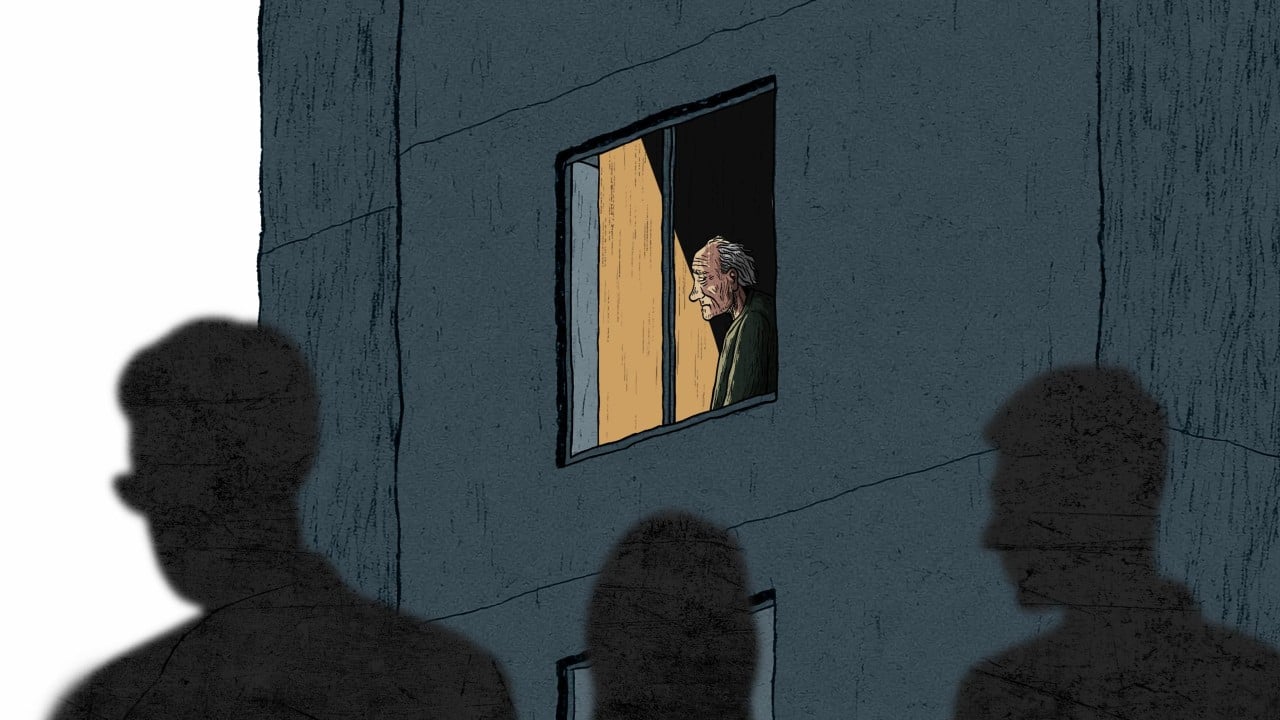
Death is not a team sport. It is the most solitary act a human will ever perform.
Psychologically, many patients enter a phase known as "internalization" or "detachment" in their final hours. I’ve seen countless instances where a patient waits for their loved ones to leave the room for a cup of coffee before they finally let go.
Why? Because the presence of the living is a tether. It is a demand. Every sob from a bedside is a subconscious request for the dying person to stay, to fight, to perform "comfort" for the benefit of those staying behind.
When we scream about the tragedy of someone dying "alone," we are usually projecting our own abandonment issues onto someone who was likely drifting into a state where "presence" is no longer defined by physical proximity. We are centering the ego of the survivor.
The Industrialization of the Final Breath
We’ve moved death from the bedroom to the ICU, and in doing so, we’ve handed the keys to bureaucrats.
In a hospital setting, a "good death" is one that doesn't trigger an alarm. It’s a death that follows a predictable trajectory. If a patient is agitated—a common, natural neurological response to the body shutting down—the "system" views it as a failure of medication.
They call it "terminal restlessness." They treat it like a bug in the software. They patch it with Midazolam.
What if that restlessness isn't a medical error? What if it’s the psyche doing the heavy lifting of untethering? By "fixing" it, we are interrupting a biological and spiritual process that has existed for millennia, long before we had a protocol for it.
The Fear of "Scared"
The headline uses "scared" as a pejorative. Newsflash: Dying is terrifying. It is the ultimate unknown. To suggest that a human should face the extinction of their consciousness without fear is not only unrealistic; it’s an insult to the weight of life.
By trying to medicate away the fear, we are infantilizing the dying. We are saying, "You aren't strong enough to face the end of your story, so we’re going to dim the lights until you don't notice it’s over."
True dignity isn't found in a painless haze. It’s found in the agency to feel what is happening. If we want to truly honor the dying, we have to stop trying to "fix" their death to make it more palatable for our Instagram feeds or our evening news cycles.
Reclaiming the Struggle
We have to accept that a "perfect" death is a lie. It’s often loud, it’s usually messy, and it frequently involves physical distress that no amount of chemicals can perfectly balance without erasing the mind.
If you want to actually help someone die well, stop obsessing over the monitor.
- Demand Titration for Clarity, Not Just Comfort: Tell the doctors you want the patient awake enough to recognize a face, even if it means they feel the ache.
- Stop the Performance of Presence: If they die while you’re in the hallway, don’t apologize. They might have needed the space to leave.
- Acknowledge the Fear: Don't tell them "there's nothing to be afraid of." That's a lie. Tell them "I know you're scared, and I'm right here in the fear with you."
The industry wants you to believe that a quiet, sedated room is a victory. It’s not. It’s a surrender.
We are so busy trying to ensure no one dies "scared and in pain" that we are ensuring no one truly dies "present and aware." We have replaced the sacred with the clinical, and we call it progress. It’s time to admit that a little bit of pain is a small price to pay for the chance to actually be there when the curtain falls.
Stop sanitizing the exit. Let the dying have their death, in all its terrifying, painful, and lonely glory. It belongs to them, not your comfort.