The lazy consensus in modern legal commentary follows a predictable script. When prosecutors wave the magic wand of flight risk, the public nods in unison. The media feeds you a steady diet of procedural theater designed to make detention feel like an inevitable moral victory.
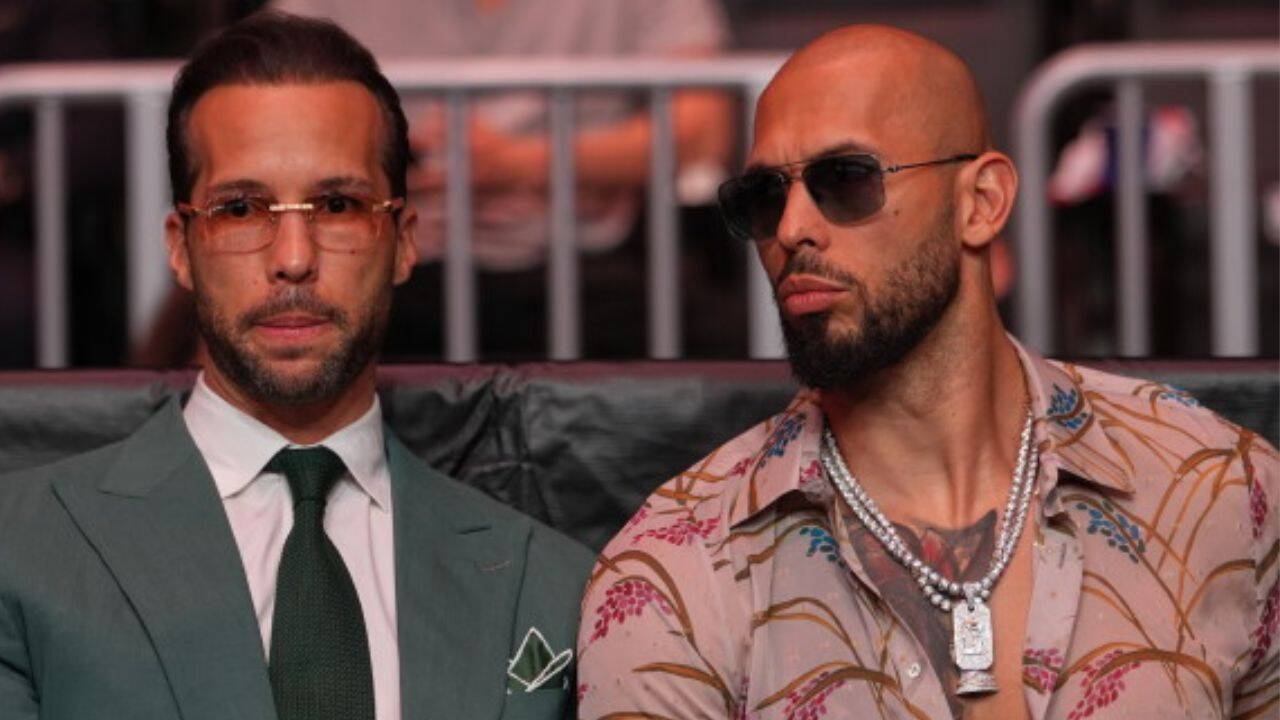
Let us strip away the noise. The recent opposition to the release of Tristan and Andrew Tate by United States prosecutors is not a triumph of accountability. It is a dangerous procedural shortcut.
I have watched state machinery operate up close. I have seen how quickly constitutional guardrails dissolve the moment a polarizing figure hits the docket. When courts start using public animus as a metric for pre-trial detention, the rule of law is already on life support.
The Flight Risk Myth
Prosecutors love the flight risk argument because it is unfalsifiable. Anyone with a private jet, a crypto wallet, or a passport becomes an automatic flight risk in the eyes of a jittery magistrate.
Look at the mechanics of this argument. The Tates operate a border-crossing, digital-first business model. To a prosecutor wrapped in 20th-century thinking, mobility equals guilt. If you can leave, you will leave.
This logic is bankrupt. Pre-trial detention exists to prevent actual flight or obstruction of justice, not to appease public outrage or substitute for a conviction. If an individual's digital footprint and public profile make them the most recognizable faces on earth, hiding in a foreign back alley becomes functionally impossible. You cannot flee when every surveillance camera, border guard, and tabloid reporter on the planet knows your exact jawline.
Pre-trial detention should require concrete, verifiable evidence of an intent to abscond. Instead, prosecutors are substituting aesthetic distaste for legal thresholds.
The Machinery of Preventive Detention
We have normalized keeping people in cages before a jury hears a single shred of admissible evidence. That should terrify you.
When the state argues that someone's ideology, rhetoric, or lifestyle makes them too dangerous to roam free prior to trial, they are turning criminal procedure upside down. The presumption of innocence is not a conditional perk reserved for defendants who make polite television appearances. It is absolute.
Think about the precedent being set here. Every time a court grants a motion for pre-trial detention based on loose, vibes-based arguments about behavioral patterns rather than specific acts of documentable evasion, the baseline drops for everyone else.
If the state can hold high-profile influencers indefinitely under the vague banner of community protection and flight prevention, they can do it to corporate executives caught in cross-border regulatory disputes, dissident journalists, or anyone else who pisses off the wrong bureaucrat.
The Cost of Popular Injustice
There is a dirty secret in criminal jurisprudence. Prosecutors often use pre-trial detention as a punitive measure before the trial even begins.
When you lock someone up for months or years while building a case, you break their defense infrastructure. You cut off their access to capital, limit their communication with counsel, and exhaust their financial resources. By the time they enter a courtroom, the state has already won through attrition.
The public cheers because they dislike the defendants. That is short-sighted emotional indulgence. The legal system does not care about your feelings on internet culture, digital monetization strategies, or provocative podcast clips. The legal system cares about due process, statutory compliance, and evidentiary standards.
When we abandon those standards for the hated, we lose them for the innocent.
Redefining the Standard
True reform requires demanding mathematical and operational rigor from prosecutors.
If the state claims a defendant will flee, they must produce more than a hunch tied to bank accounts and frequent flyer miles. They must show an active, coordinated plan to cross a border illegally. They must prove that electronic monitoring, bail bonds, and asset freezes are insufficient.
We have drifted into a lazy legal culture where the severity of the accusation justifies bypassing the integrity of the process. That trend accelerates the erosion of civil liberties.
The Tates are a symptom of a much larger cultural panic over digital speech and unconventional wealth generation. But the mechanism being used against them—pre-trial preventative detention via the weaponized label of flight risk—is a loaded gun pointed directly at the heart of adversarial justice.
Stop cheering for shortcuts. You might need those rules yourself tomorrow.


