Capital allocation during multi-brand beauty retail events requires a departure from impulse-driven consumption toward systematic inventory forecasting. The Dermstore Anniversary Sale functions not merely as a seasonal marketing touchpoint, but as a predictable liquidity event within the broader prestige skincare distribution channel. Consumers navigating this promotional window face an asymmetric pricing structure where brand-level Minimum Advertised Price (MAP) policies collide with retailer-funded discount subsidies. Optimizing capital expenditure during this period demands an analytical framework based on unit-economics, shelf-life degradation curves, and active-ingredient concentration efficiency.
The Three Economic Tiers of Prestige Skincare Discounts
Promotional markdowns in the luxury personal care market do not distribute value evenly across product categories. Retailers structure these events using tiered discount mechanics—typically ranging from 15 percent to 25 percent off, often gated by loyalty program tiers or specific brand exclusions. To evaluate the true utility of these price breaks, buyers must categorize target acquisitions by their underlying supply chain dynamics and margin profiles. Meanwhile, you can find other developments here: The Filtered Generation Behind the Glass Screen.
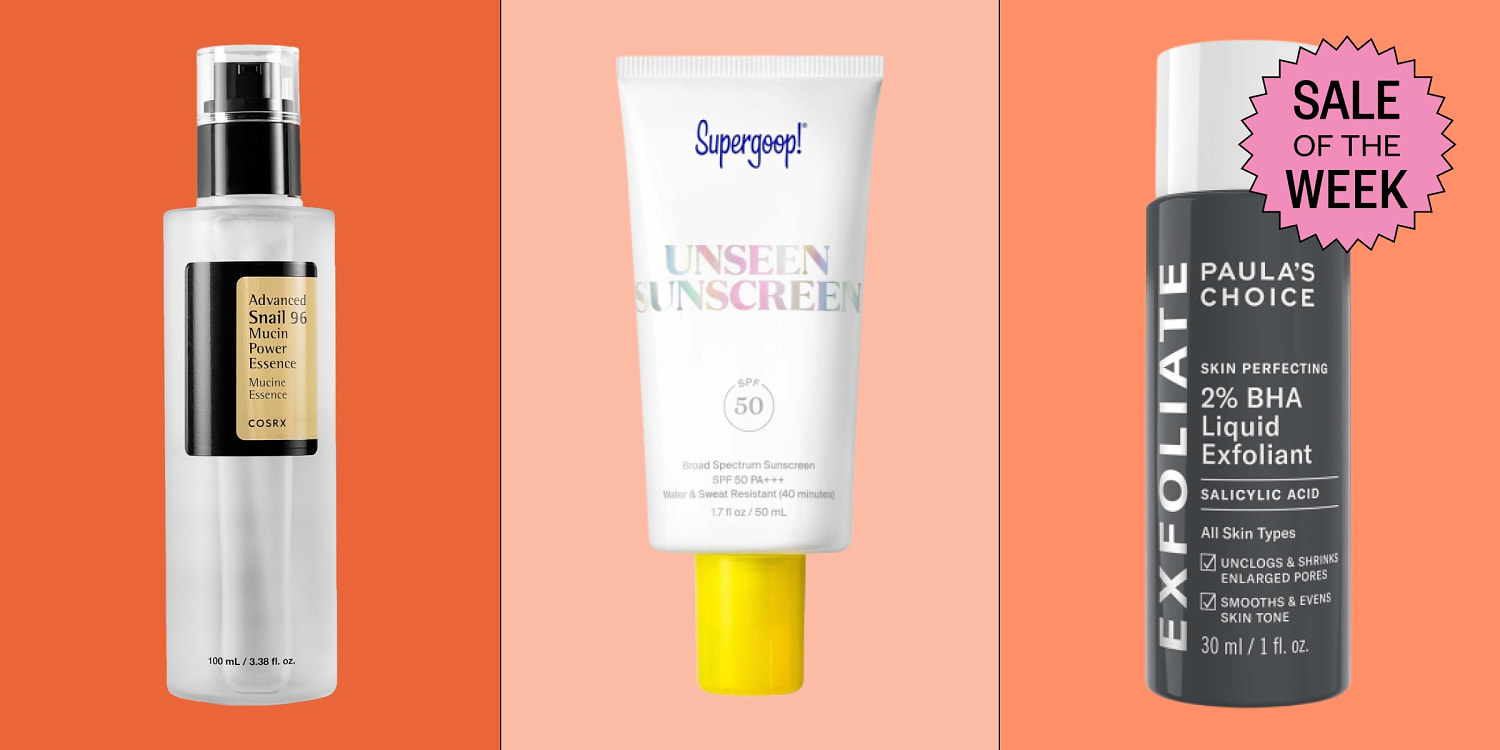
The first category encompasses high-velocity consumable staples: daily cleansers, broad-spectrum chemical sunscreens, and basic barrier-repair moisturizers. These formulations rely on commodity-grade delivery systems and stable surfactants. Their baseline manufacturing costs are low relative to retail pricing, meaning a 20 percent markdown still leaves substantial operating margin for the parent conglomerate. Purchasing these items during the sale yields immediate cash-flow relief for the consumer, provided the annual consumption rate matches the package volume purchased.
The second category contains active-treatment serums, featuring stabilized L-ascorbic acid, retinoids, or prescription-grade equivalent peptides. Here, the cost structure shifts heavily toward R&D and proprietary encapsulation technology. Brands protect these margins fiercely. Consequently, they are frequently excluded from sitewide promotional codes or restricted to lower discount brackets. When active serums do enter a promotional window, the economic incentive must be weighed against the degradation timeline of the formulation. To see the complete picture, we recommend the recent article by Refinery29.
The third category involves heavy hardware, specifically LED therapy masks, microcurrent devices, and ultrasonic skin scrubbers. These durable goods operate on a consumer electronics pricing model. Upfront capital outlay is high, but marginal cost per use drops significantly over a multi-year depreciation schedule. A percentage-based markdown on an expensive device delivers the highest absolute dollar savings of the entire catalog, transforming a prohibitive capital expenditure into a viable recurring wellness investment.
Inventory Velocity and Expiration Risk Analysis
A common failure mode in seasonal beauty acquisition is over-purchasing perishable inventory. Topical skincare products are subject to strict chemical stability parameters. Once a formulation is exposed to oxygen, fluctuating temperatures, and UV light, active ingredients begin a linear decay process known as oxidation or hydrolysis.
Buyers frequently calculate savings based purely on the sticker price differential, ignoring the opportunity cost of expired inventory. If a consumer purchases a multi-pack of vitamin C serums at a 25 percent discount, but the product oxidizes past its efficacy threshold before consumption, the effective cost per usable ounce rises dramatically.
The Storage and Decay Function
To avoid capital waste, purchasers must map inventory volume against personal usage velocity. The governing formula involves dividing the total volume of the container by the daily application dosage. If the resulting days-to-empty metric exceeds the manufacturer's Period After Opening (PAO) symbol—or the unopened expiration date under climate-controlled storage—the discount is neutralized by product degradation.
- Unopened Stability: Most professional-grade formulations maintain chemical integrity for 24 to 36 months when stored below 25 degrees Celsius in opaque packaging.
- Opened Stability: Water-based emulsions containing active enzymes or unstable antioxidants often degrade within three to six months of initial air exposure.
- Preservation Overhead: Maintaining multi-unit stockpiles requires dedicated dark storage environments, effectively imposing a spatial and logistical tax on the consumer.
Brand Exclusion Mechanics and Manufacturer Pricing Control
Understanding why specific prestige lines—such as SkinCeuticals, Obagi, or EltaMD—frequently skirt sitewide promotional events requires an examination of vertical channel control. Premium beauty brands protect their brand equity through strict distribution agreements. If a retailer aggressively discounts a flagship product, it signals to the market that the product is oversupplied or lacks intrinsic luxury value.
Manufacturers utilize MAP agreements to legally bind authorized stockists to a floor price. When Dermstore executes a sale, the discount is typically absorbed through cooperative marketing funds or a temporary reduction in the retailer's wholesale margin, rather than an arbitrary slash in factory gate pricing.
When analyzing a brand's inclusion or exclusion from the event, observe the supply elasticity. Brands with high customer loyalty and inelastic demand maintain strict pricing integrity. Brands facing intense competition from direct-to-consumer alternatives leverage retailer sales events to capture market share and drive trial velocity for newer stock keeping units.
Strategic Allocation of Promotional Capital
Maximizing utility from the Dermstore Anniversary Sale requires a disciplined, programmatic approach to cart assembly. Rather than browsing chronologically or sorting by brand popularity, allocate capital based on a functional utility matrix.
Prioritize items with long shelf lives, high baseline manufacturing costs, and strict exclusion from standard coupon codes elsewhere. Capitalize on the event to acquire hardware devices and bulk staples where the absolute monetary savings outstrip inflation or future price increases. Disregard minor discounts on rapidly oxidizing formulations unless consumption occurs within a compressed, verifiable timeframe. Execute purchases at the opening of the promotional window to mitigate stockout risks on high-demand, high-margin inventory items.