History rarely arrives with the blare of a trumpet. More often, it slips through security checkpoints in quiet corridors, carried in the minds of people who once traded in mathematical code rather than political favor.
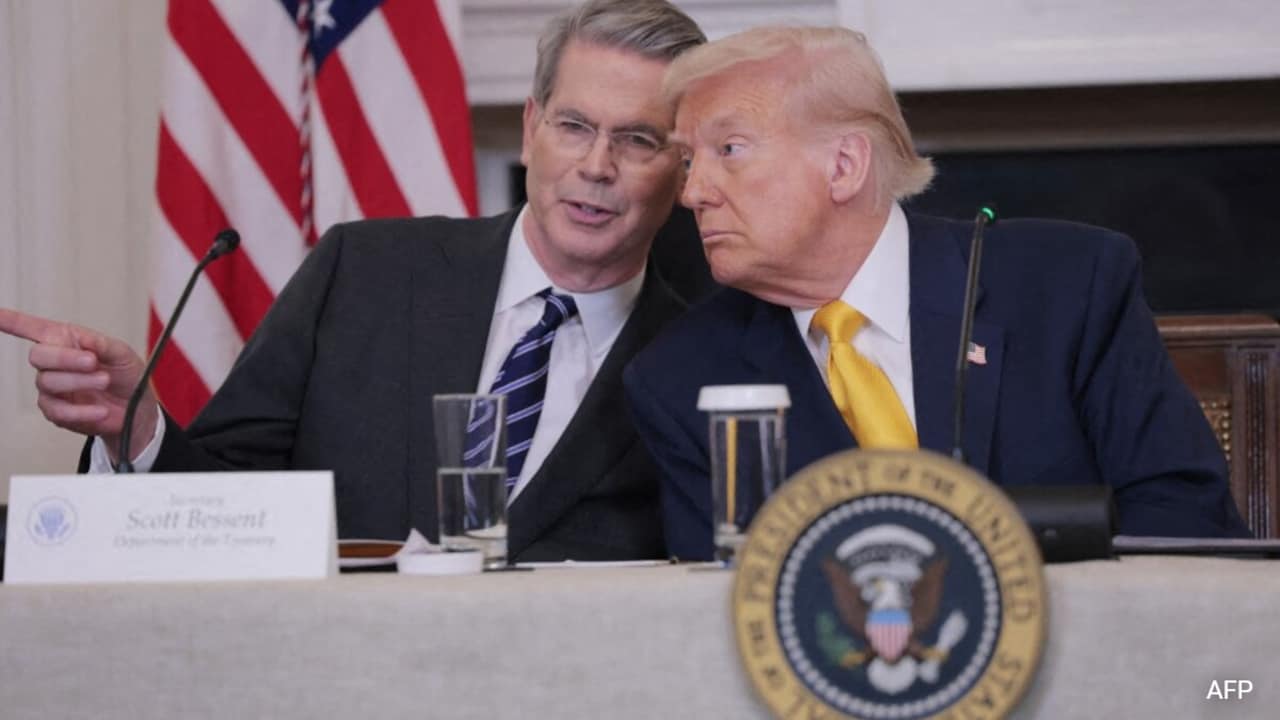
Picture a high-ceilinged room where chandeliers catch the afternoon light, reflecting off suits that belong to Silicon Valley boardrooms and decentralized startup hubs alike. Recently, the executive mansion played host to a different kind of delegation. Cryptocurrency executives walked those storied floors, stepping into a space usually reserved for foreign dignitaries and traditional titans of finance.
The agenda was not hidden, yet it felt entirely surreal to anyone who remembered the early days of digital currency. Back then, this technology was dismissed as a fleeting experiment, a speculative playground for basement coders and cyberpunks. Now, those same architects sat knee-to-knee with federal policymakers, mapping out the architecture of tomorrow's monetary system.
Consider what happens next when innovation crosses the threshold of institutional power. The tension in the room was palpable. On one side stood the guardians of legacy systems, bound by centuries of precedent and caution. On the other stood the innovators, driven by an urgent belief that borders and traditional banking hours are relics of the past.
For the average person watching from afar, these closed-door discussions can feel distant, like a foreign language spoken in a foreign land. Yet, the outcome of these dialogues trickles down into everyday life. It shapes how retirement accounts grow, how international commerce flows, and whether the next generation of financial tools will be built to include everyone or merely rezone the existing gates of privilege.
Power has always adapted to survive. When new technology threatens to render old gatekeepers obsolete, the state does not simply fight it. The state invites it in, sits it down, and attempts to write the rules of the game before the game changes beyond recognition.
The gathering at the White House marked a turning point. It signaled that decentralized finance is no longer an underground rebellion. It has grown into a formidable force demanding a seat at the highest table.
The doors closed, the handshakes were exchanged, and the code continues to run, quietly rewriting the world outside.