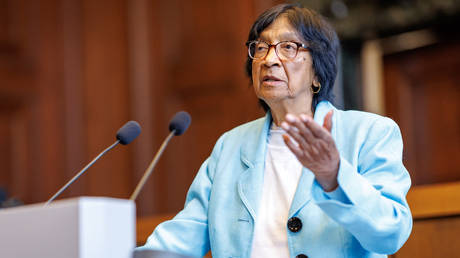
Indian envoy Dinesh Trivedi attending Mahalaya celebrations at Dhakeshwari Temple in Dhaka is not merely a routine diplomatic photo opportunity. Beneath the surface of standard diplomatic protocol lies a complex web of regional security, minority dynamics, and high-stakes political messaging. When a high-ranking foreign representative steps into Bangladesh's historic national Hindu temple during the onset of Durga Puja, every gesture is measured, analyzed, and leveraged by political actors on both sides of the border.
The immediate details of the event are straightforward. Envoy Trivedi participated in the auspicious rituals marking the beginning of Devi Paksha at Dhaka's premier place of worship. Yet, framing this simply as a cultural visit ignores the reality of bilateral friction. India-Bangladesh relations have experienced significant turbulence following the political upheaval in Dhaka that ousted Sheikh Hasina. Interim governance structures, shifting civil society sentiments, and security concerns regarding religious minorities have transformed every diplomatic engagement into a signal of intent.
The Weight of Symbolism in Troubled Waters
Diplomacy often relies on visual grammar. A temple visit during a major religious festival serves a dual purpose. For New Delhi, maintaining a visible, reassuring presence among minority communities in Bangladesh signals an unyielding commitment to their security and cultural heritage. For Dhaka's interim administration, hosting foreign envoys at religious sites offers a veneer of pluralistic stability amid domestic skepticism.
However, symbolism carries inherent risks. When every handshake and prayer is scrutinized through a geopolitical lens, the spiritual purity of a religious festival risks being overshadowed by strategic calculations. Local minority leaders in Bangladesh navigate a precarious reality. They require external solidarity to deter persecution, yet overt foreign patronage can sometimes paint a target on their backs, drawing accusations of external allegiance from domestic hardliners.
Shifting Ground Realities for Minorities
To understand why a diplomat's temple visit generates intense media cycles, one must examine the baseline security environment for religious minorities in Bangladesh. The months following the 2024 political transition brought sporadic attacks on temples, homes, and businesses belonging to Hindu, Buddhist, and Christian communities. While government officials have repeatedly pledged protection, law enforcement gaps have left local populations anxious.
During Mahalaya, the air in Dhakeshwari Temple was thick with a mixture of traditional devotion and palpable tension. Security was tight, reflecting the sobering reality that religious gatherings require heavy state protection. Trivedi’s presence was designed to offer reassurance, acting as a diplomatic shield of sorts. Still, communities on the ground know that a visiting envoy departs when the ceremony ends, leaving residents to manage their local relationships long after the motorcades clear out.
The Geopolitical Chessboard
Bilateral ties between New Delhi and Dhaka are currently undergoing a stressful recalibration. The previous government maintained a close, predictable partnership with India, which critics within Bangladesh frequently characterized as overly deferential. The current political landscape features a diverse coalition of voices, some of which harbor deep skepticism toward Indian foreign policy.
In this environment, New Delhi must tread carefully. Overt displays of concern for minorities can be weaponized by nationalist factions in Bangladesh to stoke anti-Indian sentiment, framing diplomatic outreach as interference in internal affairs. Conversely, remaining silent would invite intense domestic criticism within India, where political opposition closely monitors the safety of Bengali Hindus. Envoy Trivedi walking the temple grounds is a physical manifestation of this tightrope walk. Every step must project strength without provoking hostility, and offer solidarity without appearing patronizing.
Beyond the Photo Op
Media coverage of such events tends to focus on the surface optics—the exchange of garlands, the lighting of earthen lamps, the polite smiles for the cameras. True investigative analysis requires looking past the pageantry to examine the policy mechanisms operating behind closed doors. What assurances were exchanged regarding security protocols for the upcoming Durga Puja festival? How are intelligence agencies cooperating to prevent localized provocations from escalating into broader sectarian flashpoints?
The answers to these questions rarely appear in official press releases. They are negotiated in private meetings between foreign office officials and security chiefs. The public ritual at Dhakeshwari Temple is simply the public-facing anchor for a much heavier, continuous diplomatic effort to stabilize a fracturing relationship.
As regional dynamics continue to evolve, the traditional playbook of South Asian diplomacy is being rewritten. Old alliances are being re-evaluated, and public sentiment on the streets of Dhaka and New Delhi carries more weight than ever before. A diplomat at an altar is no longer just a guest paying respects; he is a barometer of bilateral health, testing the temperature of a neighborhood undergoing a turbulent transition.