The coffee grows cold on the kitchen table in Tehran. Outside, the morning air carries the familiar scent of diesel exhaust and toasted bread from a nearby bakery, masking the invisible weight pressing down on the city. People move through the streets with a practiced, exhausting efficiency. They buy tomatoes. They check their phones. They calculate the price of flour against a currency that seems to slip through their fingers like dry sand.
Right now, thousands of miles away across an ocean of digital signals and cable news broadcasts, another kind of calculation is taking place. You might also find this connected article useful: The Waters Between Us.
Words are being chosen carefully. Speeches are drafted, polished, and loaded with deliberate threats.
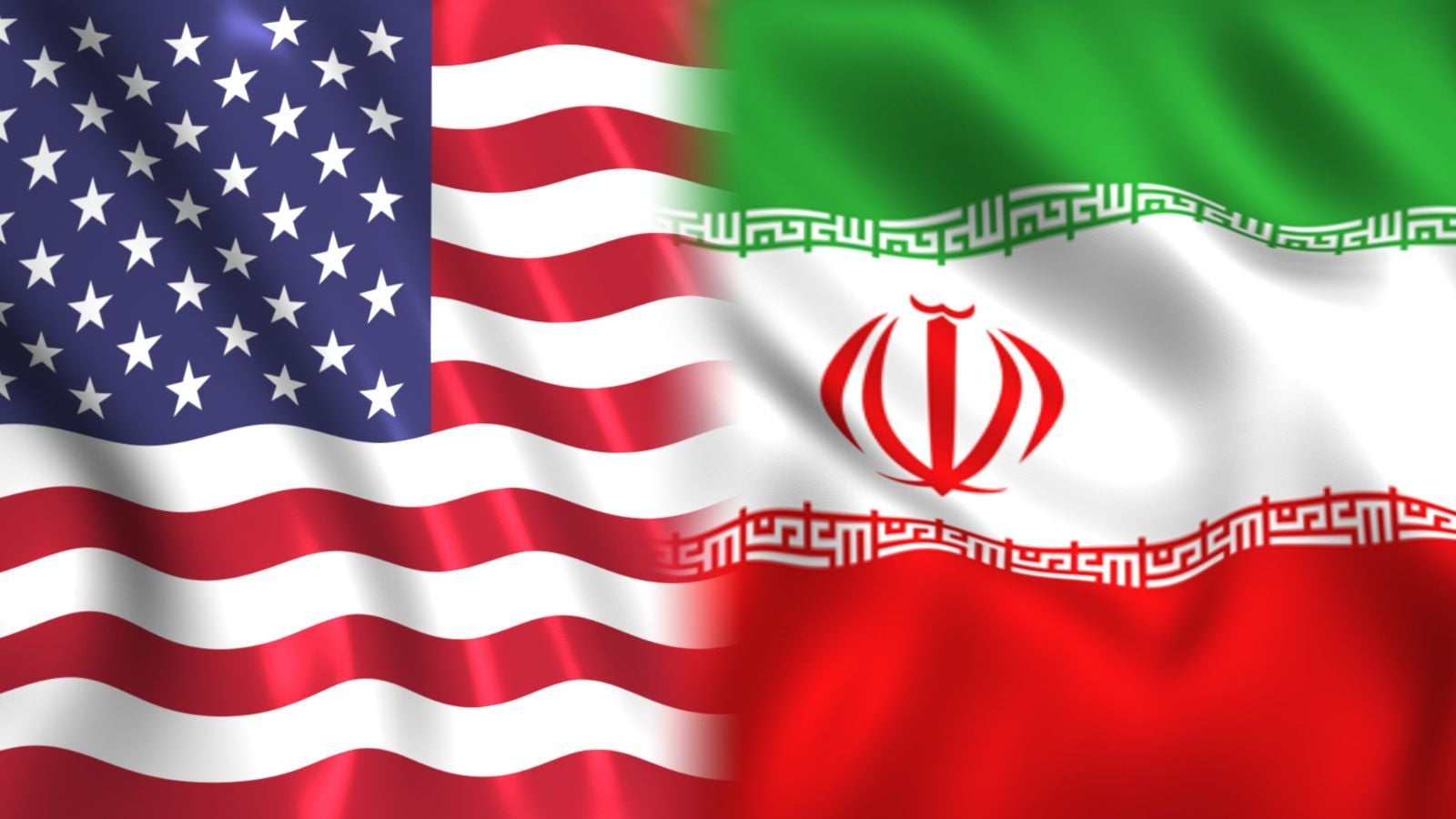
Tehran delivered a blunt assessment today. Peace efforts have hit a wall. Absolutely no progress. The phrase sounds bureaucratic, almost bloodless when read on a ticker tape at the bottom of a screen. But behind those five words lies a terrifying stillness. It is the quiet before a storm that everyone smells in the air, yet nobody wants to name. As reported in recent coverage by The New York Times, the results are worth noting.
To understand what is happening right now, you have to look past the podiums. You have to look at the human cost of rising rhetoric.
Let us be honest about how this works. Wars rarely start with an explosion. They start with a sentence. They begin when politicians decide that compromise is a dirty word and escalation is a display of strength.
In Washington, the rhetoric from Donald Trump has sharpened over the past few weeks, a deliberate pressure campaign designed to bend an adversary to its knees through sheer volume and economic strangulation. Maximum pressure. It is a phrase tossed around by think-tank analysts sitting in comfortable leather chairs.
Maximum pressure sounds clean. It sounds like a dial being turned on a machine.
It is not a machine. It is a living room where a family watches their life savings evaporate as inflation devours their purchasing power. It is a young engineer in Tehran wondering if his passport will ever be worth more than the paper it is printed on, or if he will spend his thirties watching the borders close one by one.
When diplomats walk away from a negotiating table, the vacuum they leave behind does not stay empty for long. It fills with suspicion.
Consider what happens next in the minds of military planners on both sides. Every troop movement is interpreted as a prelude to an attack. Every diplomatic rejection is viewed as proof of bad faith. The narrative hardens into something brittle. And brittle things snap under pressure.
History teaches us a harsh lesson about these standoffs. They operate on a cruel momentum of their own. Neither side wants a full-scale war, yet both sides keep taking steps that make a war more likely. They are locked in a game of high-stakes chicken where nobody can afford to swerve first without losing face at home.
Face. Pride. National honor. These are abstract concepts until they are paid for in blood.
The Iranian foreign ministry made it clear that diplomatic channels are currently choked with distrust. Tehran insists that Washington’s demands amount to capitulation, not negotiation. Washington insists that Tehran’s resistance proves they only understand the language of force.
Both narratives contain a grain of truth. Both narratives are leading us toward a cliff.
Think about the baker in Tehran or the factory worker in the American Midwest. Neither of them voted for a crisis. Neither of them wants to see missiles arc across the night sky or shipping lanes choked with mines. Yet their daily lives are being held hostage by a cycle of provocation that feeds on itself.
The rhetoric is no longer just political theater. It is setting the psychological stage for conflict. When leaders dehumanize their opponents day after day, the public begins to accept the unthinkable as inevitable.
That is the true danger of the current moment. Not just the physical hardware parked in the Persian Gulf, but the erosion of imagination. People stop imagining peace because peace requires compromise, and compromise has become a political liability.
We have seen this script before. We know how the acts unfold.
Act one features the breakdown of talks. Act two brings the economic screws tighter, accompanied by bellicose warnings from high-ranking officials. Act three is where miscalculation takes the wheel. A stray drone, a misidentified radar signature, a panicky commander on a destroyer—and suddenly a war that nobody wanted is the only reality left standing.
The silence from the peace talks is deafening. It tells us that the diplomats have run out of clever phrases. It tells us that the default setting is once again confrontation.
As the sun sets over Tehran tonight, the city lights will flicker on. Families will gather for dinner, speaking in hushed tones about the news reports coming out of the West. They will wonder if this year will be different from the last, or if they are simply waiting for the inevitable shoe to drop.
And somewhere across the sea, a speech is being written for tomorrow. Another line in the sand is being drawn. Another warning is being issued.
The distance between a speech and a siren is shorter than we think. Right now, we are walking that distance with our eyes wide open, pretending we do not hear the footsteps behind us.