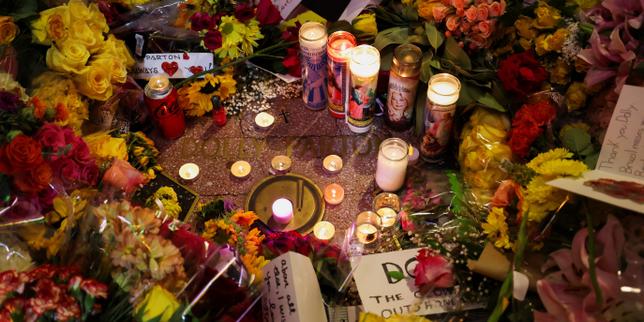
Charity usually feels cold. You see corporate logos stamped across gala banners, tax write-offs wrapped in red tape, and millionaires handing oversized checks to cameras while staring at their publicists. It is transactional. It is performative.
Then you look at Dolly Parton.
For decades, Dolly Parton philanthropy has operated differently. She doesn't build foundations to protect her legacy or hire board members to debate charity metrics in sterile boardrooms. She gives because she genuinely believes people are good. That core philosophy sounds naive on paper. In practice, it has transformed millions of lives across the globe.
Most people get philanthropy entirely wrong. They think it requires massive corporate infrastructure, endless data collection, and strict bureaucratic oversight to work. Dolly proves them wrong every single day.
The Power of Radical Trust
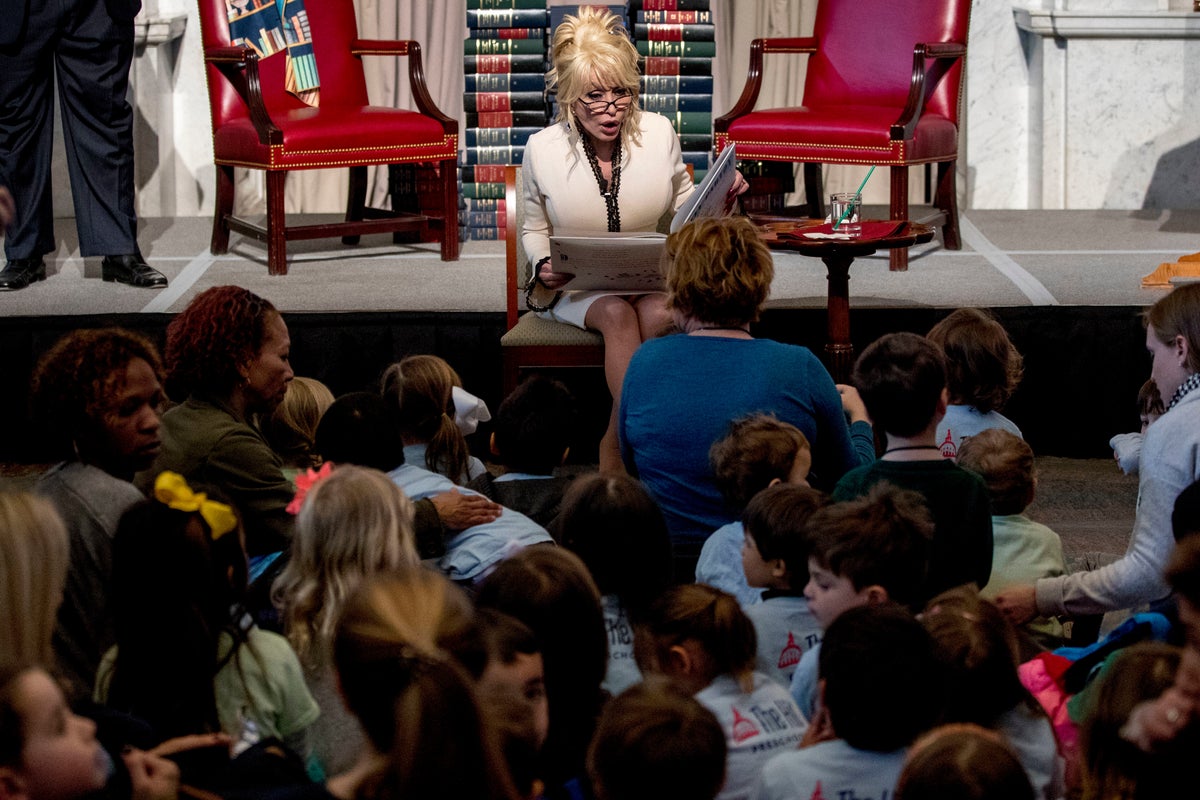
Look at the Imagination Library. It started small in Sevier County, Tennessee, back in 1995. Her goal was simple: mail a free book to every child from birth until they start school, regardless of their family's income. No financial tests. No proof of need. No hoops to jump through.
If you live in a participating area and sign up your kid, books show up in the mail. Every single month.
That approach terrifies traditional nonprofit consultants. They want gatekeepers. They want means-testing to ensure every single dollar targets the absolute most desperate cases. Dolly doesn't care about that. Her philosophy relies on radical trust. She assumes parents want to read to their kids, and she assumes children deserve stories.
By removing shame from the equation, she changed how children's literacy works. Millions of books mail out every month now. Countries like the United Kingdom, Canada, and Australia participate. It scale-tested a simple idea: trust people first, check receipts later.
Real Giving Costs You Something
Plenty of celebrities slap their names on causes they visit once a year for a photo op. Dolly stays in the trenches.
Remember the devastating wildfires in East Tennessee back in 2016? Her My People Fund shelled out $1,000 a month for six months straight to families who lost their homes. That wasn't pocket change tossed from a limousine. That was direct, cash-in-hand relief designed to cover groceries, utilities, and breathing room while families figured out how to rebuild their lives.
She didn't ask what they spent it on. She didn't require receipts. She handed over the cash because losing a home strips away your dignity, and micromanaging charity strips away what little you have left.
That is what makes her model so rare. True generosity requires vulnerability. You have to risk being cheated by a few bad actors to actually help the thousands of honest people drowning right next to them. Dolly accepts that risk. Most institutions won't.
Why Cynics Miss the Point
Cynics love to look at icons like Dolly Parton and search for the hidden angle. They wonder what she gets out of it. They look for tax shelters, hidden corporate partnerships, or political motives.
They come up empty because there is no grand scheme.
Her giving stems straight from her upbringing in Sevier County. Growing up dirt poor with a dozen siblings teaches you a lot about how people treat each other when chips are down. Her father couldn't read, a reality that heavily inspired the Imagination Library. She watched hard-working people struggle through winters without a safety net.
When you live through that, you don't view charity as a PR exercise. You view it as a basic human obligation.
We live in a culture obsessed with metrics. Nonprofits track engagement rates, cost-per-acquisition metrics, and donor retention funnels. Those things matter in business, but they suck the soul right out of philanthropy. When you treat human suffering like a spreadsheet problem, you lose the human element.
Dolly keeps the human element front and center. She talks to everyday folks like they are old friends. She jokes about her wigs, sings about heartache, and funds pediatric medical research without demanding her name be plastered across the hospital wing.
Translating Radical Generosity into Your Own Life
You do not need a multi-million-dollar country music catalog to adopt this mindset. Most of us overcomplicate how we help others. We wait until we have more money, more time, or a clearer plan.
Stop waiting.
If you want to practice real philanthropy on a human scale, start by eliminating the conditions you place on your kindness. Support your local mutual aid groups that feed people without asking for ID. Tip the service worker extra when you notice they are having a rough shift, and do not lecture them about how to spend it. Buy books for a local school library and walk away without needing a plaque on the wall.
Give because people are worth it. Even when they disappoint you. Especially when they surprise you.
Dolly Parton proved that kindness does not need to be calculated to be effective. It just needs to be sincere.