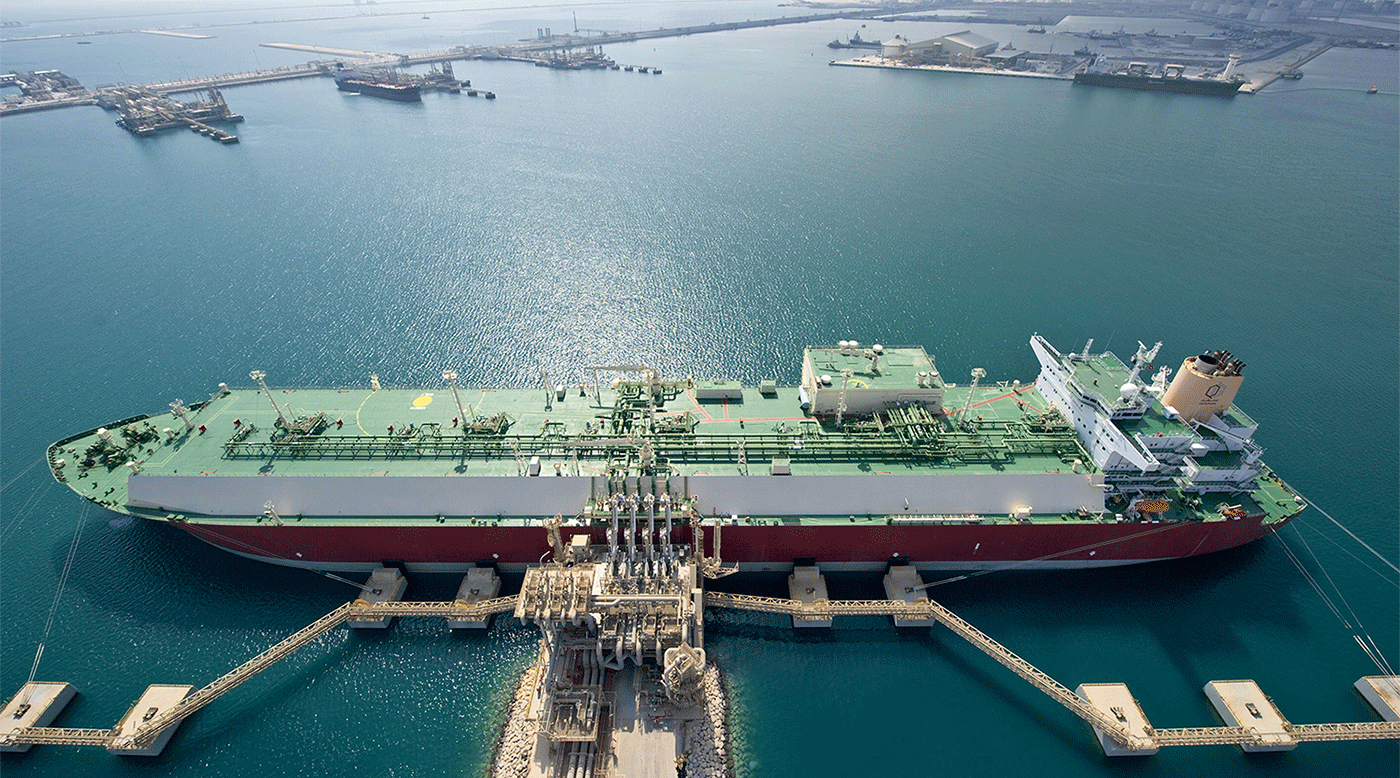
The shadow war between Israel and Iran has reached a temporary, fragile equilibrium centered on a single, high-stakes geographic coordinate—the South Pars gas field. Donald Trump’s recent assertions that he has secured a guarantee against further Israeli strikes on Iranian energy infrastructure signal a shift from the "maximum pressure" of his first term to a more transactional, risk-averse form of regional containment. By intervening to shield Iran’s gas fields after the Islamic Republic "violently lashed out," the incoming administration is not acting out of sudden diplomatic warmth. Instead, this move represents a cold calculation to prevent a global energy shock that would incinerate the American domestic economy before the new cabinet even settles into their offices.
Iran’s energy sector is its jugular vein. The South Pars field, which Iran shares with Qatar, is the largest natural gas field in the world. It accounts for roughly 70% of Iran’s domestic gas production and serves as the primary fuel source for its industrial base and power grid. When Israel weighed its retaliatory options following Iranian missile barrages, the gas fields were the most logical, and most devastating, targets. Taking them offline would not just dent the IRGC’s wallet; it would plunge the Iranian population into darkness and potentially trigger a systemic collapse of the regime’s internal control. Don't miss our earlier article on this related article.
However, the fallout would not remain contained within Iranian borders.
The Global Price of a Burning Gas Field
The global energy market is a tightly coiled spring. While the United States has reached record levels of domestic oil and gas production, the "energy independence" often touted on the campaign trail is a misnomer in a globalized pricing environment. If Israel were to strike South Pars, the immediate withdrawal of Iranian supply from the regional market would force Turkey and Iraq—both of which rely heavily on Iranian imports—to scramble for alternatives. This would trigger a cascading demand for Liquefied Natural Gas (LNG), driving prices to astronomical levels across Europe and Asia. To read more about the background of this, The Guardian provides an informative breakdown.
Donald Trump understands that his political mandate rests almost entirely on lowering the cost of living. A spike in global energy prices caused by a Middle Eastern conflagration would lead to an immediate rise in U.S. gasoline prices and home heating costs. By reportedly demanding that Israel hold back from hitting these specific targets, Trump is prioritizing the American consumer over the tactical desire to cripple a long-standing adversary. It is a recognition that you cannot "Make America Great Again" if the global economy is in a tailspin caused by burning gas rigs in the Persian Gulf.
The Mechanics of the Violent Lash Out
The term "violently lashed out" refers to a specific escalation cycle where Tehran moved past its usual reliance on proxies like Hezbollah or the Houthis and engaged in direct ballistic exchanges. This shift changed the math for Washington. When Iran demonstrated it was willing to risk total war by launching hundreds of projectiles directly at Israeli soil, it signaled that the regime felt backed into a corner where it had nothing left to lose.
In the world of high-stakes intelligence, a cornered animal is the most dangerous. If the Israeli Defense Forces (IDF) had proceeded with a decapitation strike on the energy sector, the Iranian response would likely have targeted the "Gorgon" or "Leviathan" gas fields in the Mediterranean, or the critical desalination plants that provide Israel with its drinking water. Trump’s intervention is an attempt to restore a "red line" architecture that had completely disintegrated over the last year. He is essentially telling both sides that the economic "crown jewels" are off-limits, even if the low-level skirmishing continues in Lebanon or Syria.
The Leverage Behind the Vow
Skeptics point out that a U.S. President-elect, or even a sitting President, cannot strictly forbid a sovereign ally like Israel from defending itself. However, the leverage is more nuanced than a simple "yes" or "no" from the Oval Office. Israel’s long-term security depends on the U.S. diplomatic umbrella at the UN and a steady flow of specialized munitions that only the American defense industry can provide at scale.
If Trump provides a security guarantee to Israel—perhaps in the form of increased support for neutralizing Iranian proxies or faster delivery of bunker-buster technology for other uses—he can extract a "no-strike" pledge regarding the gas fields. This is the art of the deal applied to a powder keg. It involves offering Israel a different way to win while ensuring the global oil and gas markets remain stable enough to support his domestic agenda.
The Iranian Perspective of Survival
From Tehran’s view, the protection of South Pars is a lifeline. The Iranian economy is currently a hollowed-out shell, propped up by "ghost fleet" oil sales to China and internal repression. If they can keep the gas flowing, they can keep the lights on and keep the factories running. They know that Trump is willing to squeeze them financially through sanctions, but they also know he has no appetite for a multi-trillion-dollar war that would define his entire second term.
This creates a perverse form of stability. Iran knows exactly where the line is: do not disrupt the global energy flow, and your primary revenue source will be spared from kinetic destruction. It is a return to a "managed conflict" rather than an "eliminationist conflict."
The Risk of Miscalculation
The flaw in this strategy is the assumption that all actors are rational. The Middle East is littered with the remains of "guaranteed" truces that were undone by a single rogue commander or a misinterpreted intelligence report. While Trump may have secured a temporary reprieve for the gas fields, he has also signaled to Iran that their most valuable asset is being protected by the very man they consider their greatest enemy.
This creates a moral hazard. If Iran feels its energy sector is effectively "insured" by U.S. economic interests, it may feel emboldened to continue its nuclear enrichment or its support for regional militias, believing that the ultimate consequence—the destruction of its economy—is off the table because of its impact on the American voter.
The reality of 2026 is that energy is the ultimate currency of power. By shielding Iran’s gas fields, Trump is acknowledging that the U.S. economy is more vulnerable to a $150 barrel of oil than it is to the geopolitical ambitions of a mid-sized regional power. It is a defensive crouch disguised as a bold diplomatic stroke.
The next few months will determine if this vow holds weight. If Israel perceives a direct nuclear threat, no amount of pressure from Washington will keep the IAF away from Iranian soil. For now, however, the world’s largest gas field remains a neutral zone in a war that has no other boundaries.
Check the current spot price of Henry Hub natural gas and the Brent Crude index; they are the truest barometers of whether the market actually believes this truce will last.