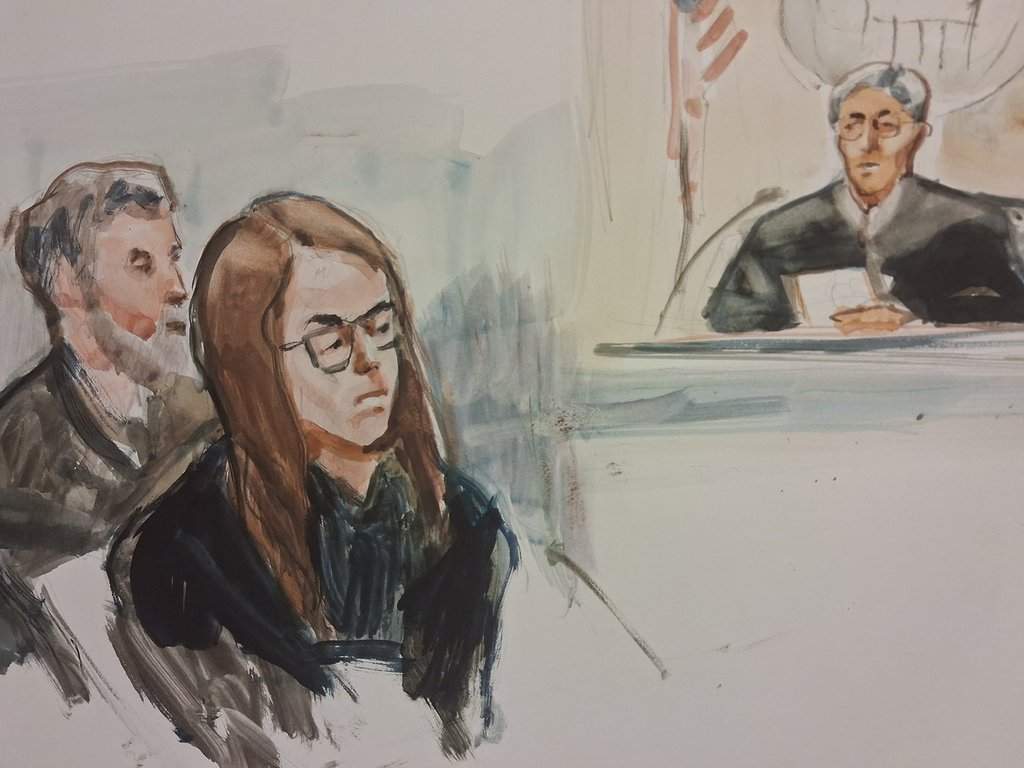
Justice served. Case closed. Thirty years of mystery wrapped up with a gavel in Las Vegas.
That is the tidy, comforting fairy tale every lazy wire rewrite is peddling right now after Duane "Keffe D" Davis was sentenced to 40 years to life for orchestrating the 1996 murder of Tupac Shakur. Put a bow on it. Sell the click. Pretend the courtroom theatrics on October 13, 2026, answered the questions that actually matter.
It didn't. Not even close.
Watching mainstream entertainment and crime outlets treat a conviction built heavily on a defendant's own monetization of street lore as total, airtight closure is peak journalistic laziness. A sentencing hearing is a legal milestone, not an investigative autopsy of a botched thirty-year murder probe. When you strip away the headline dopamine, the real story isn't that the state finally got a sentence on paper. The real story is how a system that took nearly three decades to indict—and leaned so heavily on self-aggrandizing interviews and memoir admissions—exposes every structural rot in high-profile homicide investigations and true-crime media alike.
The Lazy Consensus Around a 40-Year Sentence
Standard coverage follows a predictable script. A former South Side Compton Crips figure, long linked to the aftermath of the MGM Grand casino fight involving his nephew Orlando "Baby Lane" Anderson, is convicted and handed a minimum 40-year prison term. Outlets frame it as the definitive end to hip-hop's biggest cold case.
That framing rests on three assumptions that crumble under scrutiny:
- A conviction equals complete evidentiary resolution. Legally, a jury finding guilt beyond a reasonable doubt settles criminal liability for that defendant in that venue. Factually, a trial record full of decades-old memories, deceased co-occupants, and contested police file handling leaves massive operational gaps.
- Bravado on camera is the same thing as forensic proof. Davis spent years talking about the night of September 7, 1996, in documentaries, interviews, and his 2019 memoir Compton Street Legend, only to walk back those claims when liberty was on the line. Treating street storytelling as an infallible historical ledger is a rookie mistake.
- One sentence resolves a systemic failure. Tupac Shakur wasn't killed in a vacuum. He was shot on the Las Vegas Strip while riding in Suge Knight's car, following a brawl captured on casino surveillance, yet meaningful prosecution didn't materialize until 2023—twenty-seven years later.
Having covered crime beats, true-crime adaptations, and media narratives around high-profile cases for years, I have seen newsrooms and production studios blow serious credibility—and millions in licensing and development budgets—chasing neat endings where none exist. Audiences want resolution. Publishers feed them closure. Truth gets flattened in the middle.
Legal Proof vs. Historical Truth: A Crucial Distinction
Before arguing over what this verdict means, define the terms cleanly. Legal guilt means the prosecution met its burden under the rules of evidence before a specific jury—here, convincing jurors that Davis orchestrated the shooting rather than merely recounting events to sell books and clout. Historical completeness means reconstructing every link in a chain of events with verifiable corroboration independent of the accused's own shifting narratives.
Those two standards are not twins. Often, they aren't even roommates.
In the courtroom, prosecutors pointed to Davis's own public statements placing himself in the orbit of the shooting and framing him as a planner, even as defense counsel hammered away at why charges took so long and attacked the thoroughness of later investigative work. Meanwhile, the other men prosecutors alleged were in the white Cadillac are dead. Key physical and witness threads from 1996 are long cold, tangled in conflicting accounts, memory decay, and decades of rumor.
Consider a thought experiment. Imagine a scenario where a veteran figure in any high-profile street case spends fifteen years giving paid or promotional interviews claiming inside knowledge, then hires aggressive trial counsel who argues those same statements were exaggeration, puffery, or misremembered street talk. If the state's strongest bridge between 1996 and the witness box runs straight through the defendant's own mouth, the verdict proves the jury believed the incriminating version—not that every loose thread from 1996 was independently tied off.
Look at the testimony that surfaced around the investigation itself: accounts of case files looking altered over the years, questions about leaks, and decades passing across multiple lead detectives. A 40-to-life sentence punishes the conduct proven at trial. It does not retroactively turn a troubled, decades-long investigation into a Swiss watch.
Answering the Questions Everyone Keeps Asking Wrong
When news of the sentencing broke, search feeds flooded with familiar questions. Most of them ask the wrong thing.
"Does this finally solve Tupac Shakur's murder?"
It resolves the criminal case brought against Duane Davis in Clark County. If your definition of "solved" is that a jury convicted an orchestrator and a judge imposed a 40-year-to-life sentence, then on paper, yes. If your definition is that every lingering question about institutional missteps, uncharged angles, and 1990s law enforcement handling has been laid to rest, no. A conviction closes a docket; it rarely silences every legitimate question.
"Why did it take nearly 30 years to get here?"
Because time erodes evidence while inflating mythology. Over three decades, witnesses move or die, memories harden into rehearsed stories, and pop culture turns real violence into folklore. The longer a homicide sits unresolved, the harder it becomes to separate verifiable fact from repeat retelling. Waiting almost thirty years to bring a case to trial doesn't make the truth sharper—it makes every gap heavier to carry.
"Why did Davis talk so much before getting charged?"
In true crime and street media, notoriety has an economy. Talk generates relevance, book deals, appearances, and attention when an aging figure otherwise fades into irrelevance. People routinely boast in low-stakes settings—podcasts, interviews, memoirs—under the assumption that distance, time, or lack of physical smoking guns will insulate them. Until a prosecutor decides the admissions are usable and the timing is right.
What This Verdict Actually Teaches Us
My contrarian stance carries real downsides, and I won't pretend otherwise. Doubting "case closed" narratives can look cynical to people who genuinely want accountability after thirty years, and questioning how a case was built can easily be misread as sympathy for a convicted defendant. It isn't. Accountability matters. Precision matters more.
If you want actionable takeaways from how this entire saga played out—whether you read crime reporting, produce media, or judge legal news—take these three steps:
- Separate the sentence from the investigation. When a headline announces a major conviction or sentence in an old case, read past the verdict. Check what evidence actually carried the state's case and what questions the defense exposed about timeline and investigation quality.
- Audit self-reported confessions like a skeptical editor. Never treat a memoir, interview, or documentary boast as gospel on its own. Look for independent corroboration before accepting any claim—even when the speaker later tries to recant or minimize it in court.
- Resist instant closure on legacy tragedies. High-profile deaths attract endless theorizing and convenient wrap-ups. Demand specific facts over dramatic finality, and keep your standards intact even when the headline gives you the exact ending you expected.
A gavel came down in Las Vegas, and a man got 40 years to life. Don't confuse a sentence with the whole truth.