Commercial theater operates within a high-fixed-cost economic model where margin expansion relies almost entirely on star-driven top-line velocity and predictable inventory turnover. When a production announces a major marquee headliner like Neil Patrick Harris for a limited engagement revival of a mid-century property such as Damn Yankees, industry analysts must deconstruct the financial mechanics, risk distribution, and audience acquisition funnels that make such a venture viable.
Reviving a classic musical property requires navigating a complex matrix of capitalization costs, weekly operating overhead, and ticket price elasticity. Unlike original intellectual property that incurs massive developmental risk, established catalog titles offer recognized audience touchpoints. However, they suffer from historical stylistic distance. Inserting a bankable multi-hyphenate star into the lead antagonist role of Applegate fundamentally shifts the risk profile, transforming a speculative artistic gamble into a calculated commercial capitalization instrument.
Capitalization Structures and Financial Exposure
The financial architecture of a Broadway revival rests on upfront capitalization covering pre-production, rehearsal salaries, marketing campaigns, and technical load-in. For a mid-to-large-scale musical revival, budgets routinely float between fifteen and twenty-five million dollars.
Capitalization Phase -> Weekly Operating Threshold -> Yield Management & RevPAR Optimization
This capital expenditure creates a steep breakeven hurdle. Weekly operating expenses for a heavy-ensemble musical frequently exceed eight hundred thousand dollars, encompassing union wages for musicians, stagehands, actors, and front-of-house staff, alongside venue rental and mandatory weekly theater maintenance fees.
The introduction of a high-profile principal actor alters the cost-benefit calculus in two distinct ways:
- Upfront Compensation Premium: A marquee name commands a lucrative compensation package, often comprising a guaranteed weekly base salary paired with a percentage of the gross box office receipts above a specified operating threshold, frequently styled as points on the gross.
- Top-Line Mitigation: The presence of a recognized draw compresses the sales cycle. It drastically reduces the capital required to sustain emergency marketing campaigns during the off-season.
Without a primary anchor, revivals of older books must rely on critical consensus and word-of-mouth momentum to build audience volume. With a star attached, advance ticket sales spike, mitigating cash-flow volatility during the vulnerable initial weeks of previews.
The Audience Acquisition Funnel
Broadway ticketing operates on a yield management matrix similar to commercial aviation or hospitality. Inventory is perishable; a seat unsold on a Tuesday night represents permanently lost revenue.
The consumer decision tree for theatergoers balances three primary variables: opportunity cost, ticket price, and cultural relevance. A classic property written in the mid-twentieth century often struggles with cultural relevance for younger demographics unless contextualized by contemporary performance styles or anchored by a universally recognized performer.
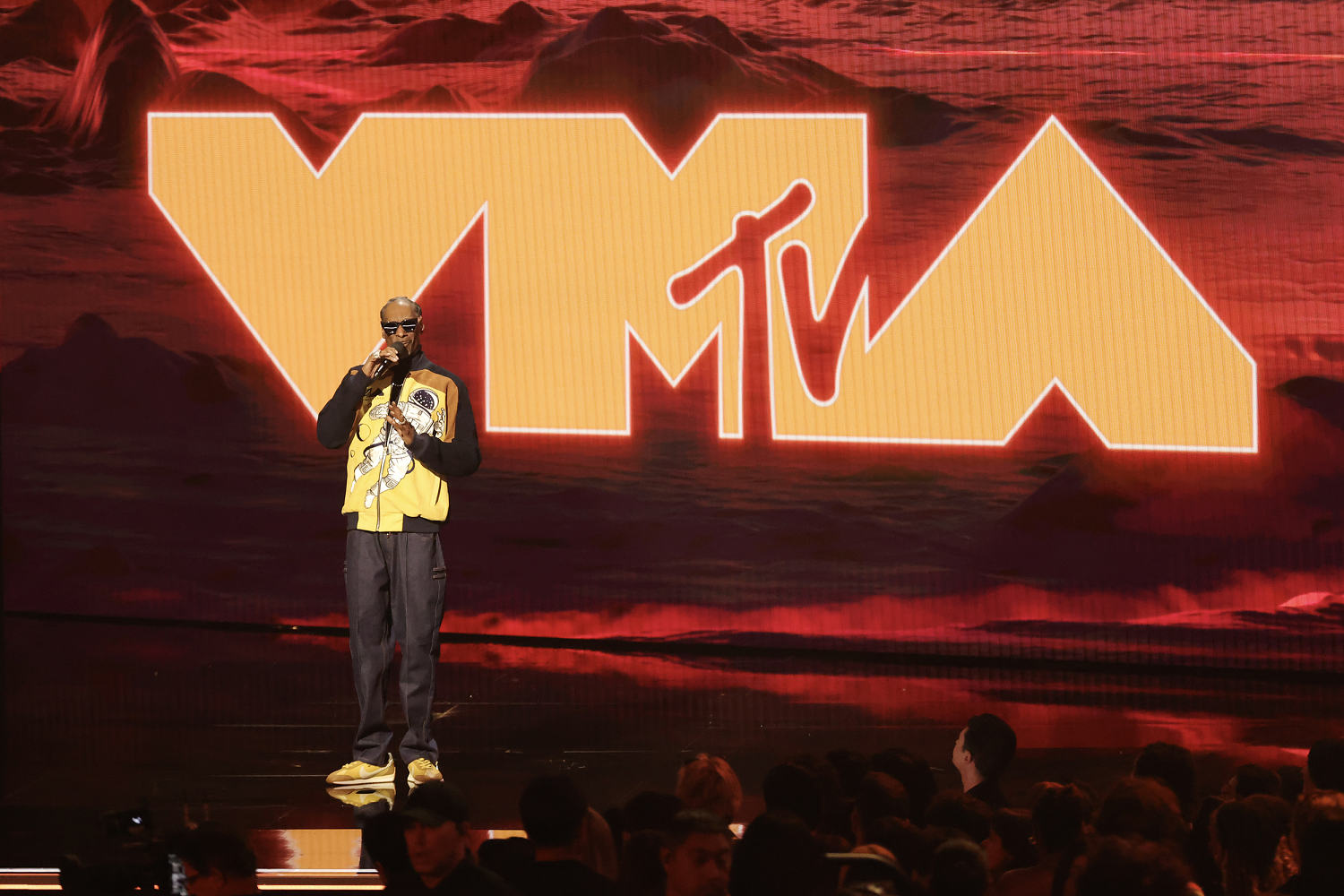
Neil Patrick Harris functions as an institutional trust signal across multiple generational cohorts. Boomer and Gen X audiences recognize him from traditional television and theatrical footprints, while Millennials and Gen Z identify with his extensive award-show hosting pedigree and broad pop-culture ubiquity. This cross-demographic pull widens the addressable market, flattening the traditional demand curve and allowing producers to implement aggressive dynamic pricing models across premium orchestra locations.
The acquisition funnel narrows considerably without this velocity. Producers are forced to rely heavily on discount distribution channels such as digital lotteries and TKTS booths, which erode average paid admission figures and diminish long-term profitability. By securing a performer with built-in affinity, the production gains pricing power, shifting the yield curve upward and safeguarding margins against unexpected economic friction or negative critical reviews.
Risk Attribution and Portfolio Theory
In theatrical financing, risk is distributed among institutional lead producers, co-producers, and deep-pocketed angel investors. Because theatrical investments carry a high probability of total capital loss—historical data suggests a significant majority of Broadway productions fail to recoup their initial capitalization—every variable must be optimized for risk mitigation.
Evaluating a star-driven revival through modern portfolio theory reveals that casting acts as a volatility dampener. The primary risk factors in commercial theater are:
- Critical Reception Risk: Adverse reviews from major metropolitan critics can instantly collapse advance sales for unanchored shows. When a major star anchors the production, the floor of ticket sales rises; fans purchase tickets to see the performer regardless of minor dramaturgical critiques.
- Execution Risk: The gap between the director's conceptual vision and audience reception. A classic Faustian sports comedy like Damn Yankees contains dated cultural tropes and pacing conventions that can alienate modern audiences if played entirely straight. A charismatic performer bridges this gap through sheer kinetic stage presence and direct audience engagement, neutralizing structural flaws in the original book.
The strategic imperative is therefore clear. Producers are not merely buying theatrical talent; they are purchasing downside protection.
The Production Mechanics of Star Vehicle Adaptation
Mounting a revival around a singular personality requires structural adjustments to the staging and choreography. The material must bend to showcase the specific competencies of the lead.
Damn Yankees centers on the bargain made by middle-aged real estate agent Joe Boyd, who trades his soul to the Devil—Applegate—to transform into a slugger who can lead the Washington Senators to victory over the New York Yankees. The role of Applegate is traditionally played with suave, demonic theatricality. Harris brings a vaudevillian precision, rapid-fire comedic timing, and physical agility that allows the creative team to lean into heightened, meta-theatrical staging.
This performance style influences the broader creative ecosystem:
- Pacing and Energy: High-velocity delivery reduces the perceived drag of exposition-heavy scenes from the original 1955 libretto.
- Ensemble Integration: The supporting cast must match the comedic velocity of the lead, driving changes to choreography and musical arrangements to maintain momentum.
- Staging Architecture: Sightlines and spatial design are optimized to maximize direct audience engagement during musical numbers, enhancing the perceived value proposition for premium ticket buyers.
Forecasting Commercial Viability and Long-Term Yields
Evaluating the long-term viability of this commercial strategy requires monitoring key performance indicators across the production lifecycle. The primary metric is Average Paid Admission paired with Capacity Percentage.
If advance sales surpass eighty percent of total capitalization prior to the first preview performance, the show enters its run with operational security. This surplus capital buffer permits the production team to absorb standard theatrical overhead without resorting to emergency capitalization calls or premature closing notices.
The broader market implication is a reinforcement of the star-driven revival model as the primary safe harbor for commercial theater investors. As production costs rise due to inflationary pressures on labor, materials, and venue maintenance, unproven original musicals face an increasingly narrow path to profitability. Consequently, intellectual property backed by recognizable marquee talent remains the most reliable instrument for institutional capital deployment in the live entertainment sector.
Strategic capital deployment into limited-engagement revivals anchored by proven performers will continue to dominate commercial Broadway slates. The underlying mathematics leave little room for experimentation when capitalization thresholds remain elevated. Producers will continue to leverage established catalogs paired with top-tier talent to capture maximum yield before consumer discretionary spending shifts.