The reclamation of condemned or abandoned residential real estate by independent digital content creators represents a novel intersection of structural arbitrage, asymmetric risk-reward profiles, and the monetization of hyper-niched media production. While mainstream media frames these initiatives through the lens of emotional rescue or eccentric impulsivity, a cold-eyed financial analysis reveals a highly calculated operational model. The process transforms a zero-value, liability-laden physical asset into a high-yield digital asset capable of generating recurring media revenue that offsets, and frequently exceeds, the capital expenditure of the physical restoration.
To evaluate the viability of this strategy, one must dissect the underlying economic mechanisms, the structural cost functions, and the risk mitigation frameworks that convert a property deemed worthless by traditional institutional capital into a highly profitable enterprise.
The Tri-Phasic Valuation Framework of Media-Driven Real Estate Reclamation
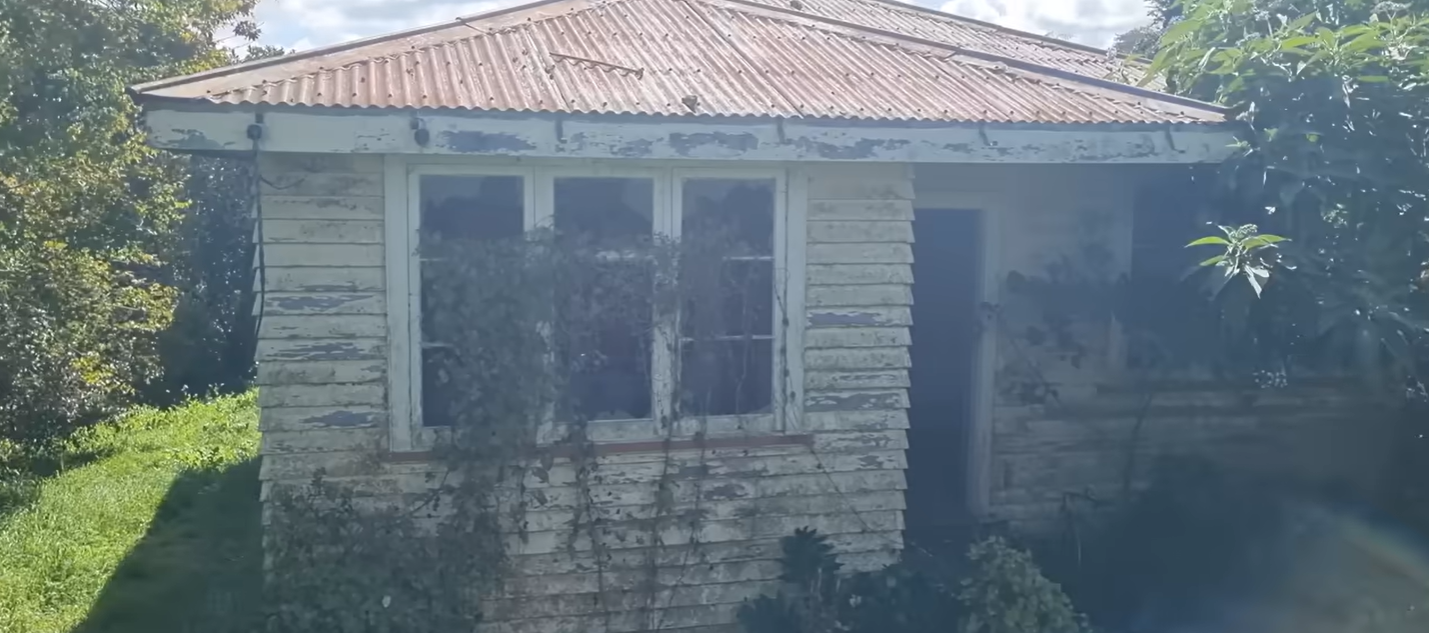
Traditional real estate development relies on a linear valuation model: Purchase Price plus Capital Expenditure equals Total Cost Basis, with the objective of selling or renting the finished asset above that basis. When an independent operator acquires an abandoned home facing imminent demolition, this traditional model breaks down. The asset frequently possesses a negative valuation due to municipal liens, structural decay, and the immediate threat of state-enforced demolition costs.
The digital-first content creator operates on a tri-phasic valuation model that fundamentally alters the cost-to-value equation.
Phase One: The Acquisition and Initial Content Surge
The primary economic driver during the initial phase is the monetization of high-friction discovery. The acquisition of an asset characterized by extreme decay generates immediate narrative tension. In digital media ecosystems, this tension translates into high click-through rates (CTR) and elevated average view durations (AVD). The revenue generated from this initial content burst often covers the baseline acquisition cost—which is frequently negligible or limited to back taxes—before physical stabilization even begins.
Phase Two: The Iterative Capital Expenditure Offset
In standard construction projects, capital expenditure represents a pure cash drain until project completion. For the media-driven renovator, every unit of capital expenditure serves a dual purpose. A $10,000 foundational repair is simultaneously a structural necessity and the primary plot device for a media asset generating programmatic ad revenue, brand sponsorships, and direct-to-consumer merchandising.
The cash flow function can be modeled as follows:
$$Net\ Project\ Cash\ Flow = (R_m + R_a) - (C_p + C_e)$$
Where $R_m$ represents media monetization revenue, $R_a$ represents eventual real estate asset valuation, $C_p$ represents physical acquisition costs, and $C_e$ represents cumulative capital expenditure. Because $R_m$ scales non-linearly with the severity of the property's degradation, the worse the initial state of the asset, the higher the media monetization potential.
Phase Three: The Residual Physical Asset Equity
Upon completion of the structural stabilization and aesthetic restoration, the operator holds a fully rehabilitated physical asset with zero or negative net capital exposure, given that media revenue has subsidized the operational costs. The operator can then execute a standard real estate exit strategy—sale, long-term lease, or short-term hospitality usage—capturing pure equity upside.
Structural Risk Categorization and Mitigation Protocols
The primary bottleneck to scaling this operational model is the high probability of catastrophic structural failure or regulatory intervention. Institutional investors avoid these properties because the underwriting costs exceed the asset's potential value. Independent operators must utilize a rapid triage framework to assess viability within tight time constraints.
1. Structural Integrity and Sub-Surface Liens
Before capital allocation occurs, the property must undergo a binary viability assessment focusing on two unrecoverable failure points: Foundation stability and municipal encumbrances.
- Foundation and Framing Degradation: If the load-bearing assembly has experienced systemic shifting due to hydrostatic pressure or advanced rot, the asset shifts from a restoration project to a complex engineering challenge. This drastically alters the timeline and lowers the return on investment.
- Regulatory and Tax Liens: Abandoned properties often carry decades of municipal fines, utility liens, and unpaid property taxes. If the local government's quiet title action or foreclosure process does not wipe out these liabilities, the legal cost basis can instantly render the project unviable.
2. The Environmental Liability Trap
Abandoned structures are frequently environmental hazards. The presence of friable asbestos, lead-based paint, black mold, or contaminated soil introduces strict legal liabilities. Independent operators must budget for professional remediation or face severe civil penalties and a complete halt to physical operations.
The Asymmetric Cost Function of DIY Content Production
The competitive advantage of the independent creator-builder over a traditional general contractor lies in the compression of labor costs through sweat equity and the monetization of operational inefficiency.
In standard construction, efficiency is paramount. Delays destroy margin. In media-driven construction, operational friction serves as the primary engine for audience engagement. A mistake that requires a wall to be torn down and rebuilt is a commercial disaster for a standard contractor; for a content creator, it represents a high-performing multi-part video series.
| Variable | Traditional Contractor Model | Creator-Builder Arbitrage Model |
|---|---|---|
| Labor Cost Basis | High (Market rate wages + benefits) | Low to Negative (Subsidized by media revenue) |
| Value of Mistakes | Pure Financial Loss | Content Generation & Revenue Driver |
| Project Timeline | Linear & Compressed (Minimize carrying costs) | Iterative & Extended (Maximize content lifecycle) |
| Regulatory Risk | Low (Experienced compliance teams) | High (Steep learning curve for solo operators) |
This structural inversion of traditional business friction allows the creator-builder to absorb financial shocks that would bankrupt a boutique development firm.
Regulatory Arbitrage and Municipal Relations
A critical variable determining the success of an abandoned property reclamation is the relationship with local municipal enforcement bodies. When a structure is flagged for demolition, it enters a bureaucratic pipeline. Halting this process requires immediate, sophisticated legal and operational intervention.
The Condemnation Overturn Process
To successfully rescue a structure from the municipal wrecking ball, the operator must execute a precise three-step compliance play:
- Immediate Stay of Demolition: File an emergency petition or administrative appeal with the local building department or zoning board of appeals to pause the demolition order, presenting proof of acquisition and financial capability.
- Engineered Remediation Plan: Retain a licensed structural engineer to draft a formal, stamped plan addressing all life-safety violations cited by the municipality.
- Escrowed Capital Commitment: Demonstrate to the court or city council that sufficient funds are held in escrow specifically earmarked for the structural stabilization phase, thereby mitigating the municipality's risk of prolonged blight.
Failing to execute this sequence rapidly results in the municipality executing the demolition order regardless of ownership transfers, destroying the physical capital asset instantly.
Strategic Playbook for Market Entry
For operators looking to deploy capital into the abandoned real estate arbitrage space, execution must follow a rigorous methodology rather than relying on viral media luck.
Identify municipalities with high rates of urban blight but stable or appreciating broader macroeconomic indicators. Target properties through off-market lists, specifically tax delinquent registries and municipal demolition agendas, rather than traditional multiple listing services.
Prioritize properties with architectural distinctiveness or historical significance, as these features command higher digital engagement premiums and superior long-term real estate valuations. Ensure the legal entity structure completely insulates personal assets from the significant premises liability risks inherent in vacant, hazardous structures.
Establish pre-production media frameworks before physical acquisition, ensuring that the monetization engine is fully operational the moment the first physical stabilization act occurs. The real estate is not the product; it is the stage upon which a high-margin digital enterprise is constructed.
.png?width=1200&auto=webp&trim=0%2C0%2C0%2C0)