History rarely announces itself with a thunderclap. More often, it arrives as a whisper in a crowded room, a sudden tightening of shoulders across a mahogany table, or a carefully chosen sentence delivered to a bank of microphones in Tehran.
Consider the atmosphere inside a diplomatic corridor when the air goes cold.
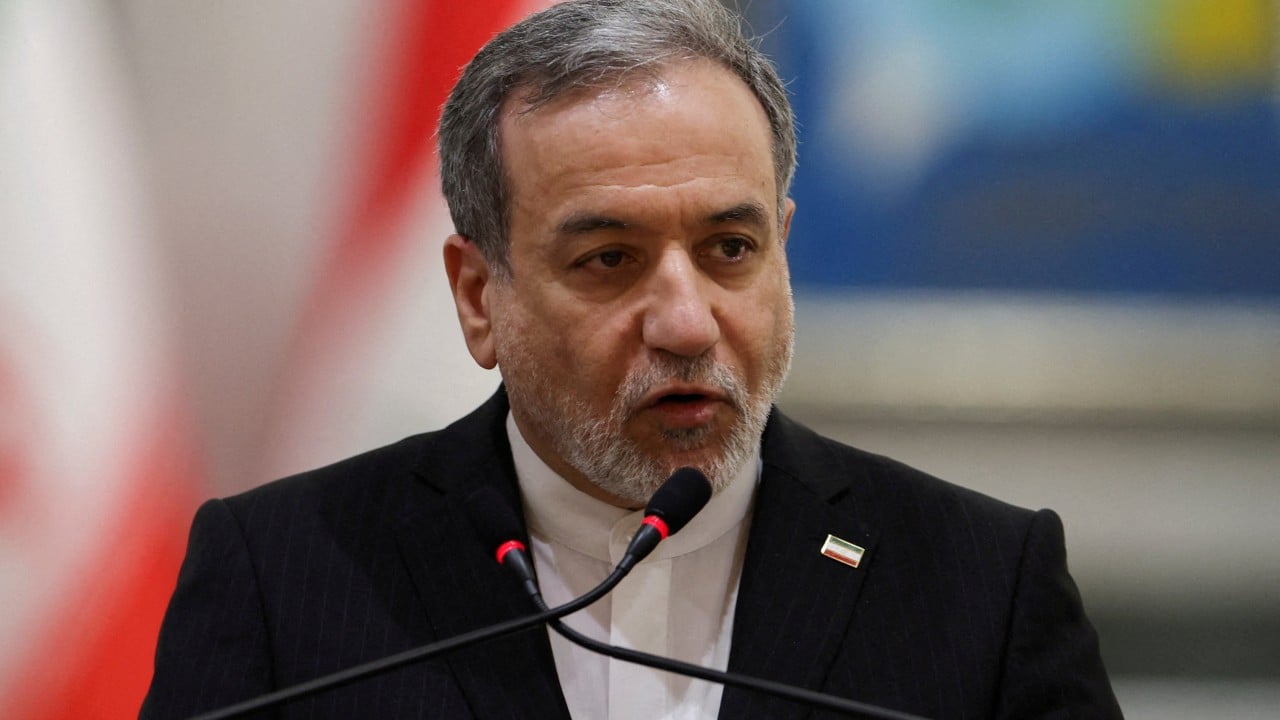
Iran's Foreign Minister recently stepped before the press to issue a sharp, unyielding caution directed squarely at Washington. The message was stripped of traditional diplomatic pleasantries. Any adventurous action, any miscalculated step, any sudden shift in posture from the United States would meet a response that leaves no room for ambiguity. These are not merely talking points drafted by mid-level bureaucrats in foreign ministries. They are tectonic pressures pushing against one another, built on decades of mutual distrust, broken treaties, and a continuous, exhausting dance of deterrence.
To understand why a single phrase like adventurous action carries such weight, you have to look past the ticker tape on the evening news. You have to look at the geometry of modern crisis.
Imagine a chess board where both players are blindfolded, moving pieces by sound alone. Every breath is amplified. Every scrape of wood across the felt sounds like an impending strike. When an official in Tehran warns against escalation, they are speaking to the ghosts of past interventions, the sudden drone strikes, the cyber skirmishes that hum silently through infrastructure grids, and the endless accumulation of economic sanctions designed to squeeze an entire population into submission.
Distance distorts danger. From thousands of miles away, a foreign policy dispute looks like ink on a map or a sharp headline to be scrolled past during a morning commute. But for a shopkeeper in Tehran watching the currency fluctuate with every political tremor, or for a sailor on a United States carrier strike group watching radar screens in the Persian Gulf, the stakes are visceral.
The mechanics of escalation are deceptively simple. It starts with posture. A naval exercise conducted a few miles too close to disputed waters. A radar lock that lasts a fraction of a second too long. A retaliatory strike justified as self-defense, which the other side immediately interprets as an act of war.
Diplomacy is the art of building bridges over chasms of misunderstanding. Right now, those bridges are shaking.
When foreign ministers issue warnings of this magnitude, they are sketching a red line in shifting sand. They are attempting to freeze a dynamic situation long enough to prevent an accidental slide into catastrophe. But deterrence is a fragile psychological construct. It relies entirely on the adversary believing you possess both the will and the capacity to inflict unacceptable costs, and crucially, that you are irrational enough to use them if pushed.
This is the paradox of modern power. To keep the peace, you must constantly demonstrate your readiness for war. You must stockpile the iron, fuel the engines, and sharpen the rhetoric. Yet every tool built for deterrence increases the risk of a catastrophic accident.
Listen closely to the language used by regional capitals over the past few weeks. The vocabulary has hardened. The conversational escape hatches have been welded shut. When leaders stop talking about mutual interests and start talking about absolute red lines, the margin for error shrinks to zero.
We have seen this script before. It is a tragedy played in slow motion, where every actor believes they are the hero defending their homeland from imminent ruin. The tragic irony is that neither side actively desires a full-scale regional conflict. The economic devastation, the human displacement, and the geopolitical fallout would be staggering for all involved. And yet, the momentum of suspicion often overpowers the rational desire for de-escalation.
The warning issued from Tehran is not an isolated event. It is a symptom of a deeper fracture in the global architecture of security. Trust has been hollowed out. Channels of backchannel communication, once robust and reliable, are now frayed or nonexistent.
When the margins disappear, ordinary people become the collateral damage of political posturing. The invisible cost of these standoffs is paid in lost potential, in the constant low-grade anxiety of communities living under the shadow of potential conflict, and in the diversion of vital resources away from human needs toward the machinery of destruction.
The map remains unchanged on paper. The borders are still drawn with the same ink. But the terrain beneath our feet has shifted.
The room holds its breath. The microphone captures the slight rustle of paper as the text of the warning is folded away. Outside, the tide continues to lap against the hulls of warships idling in warm, dark waters, waiting for a signal that no one truly wants to give, but everyone fears might eventually come.