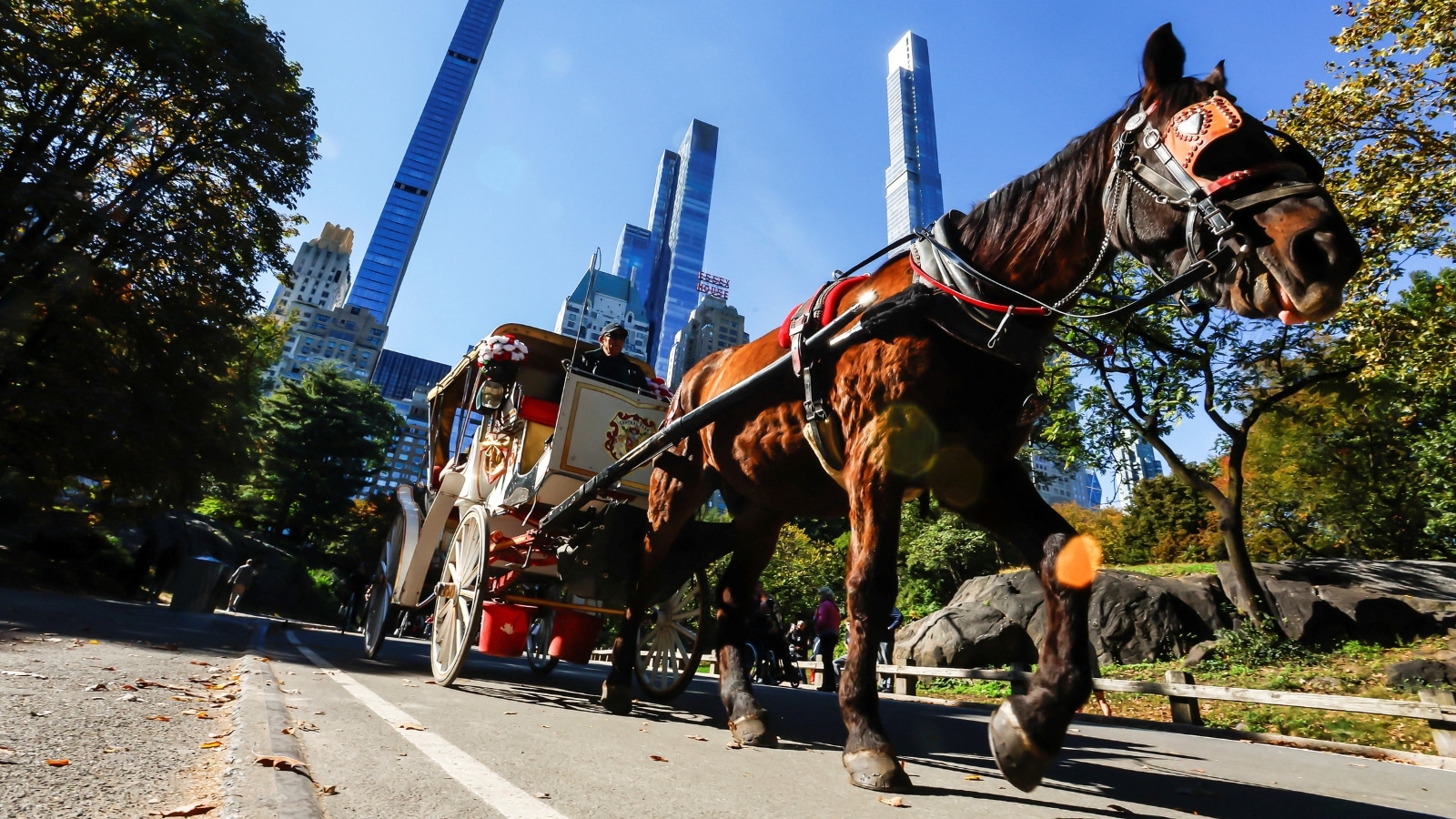
New York City is finally phasing out its iconic Central Park horse-drawn carriages, marking the end of a contentious chapter that has spanned generations. For decades, the clip-clop of hooves against Manhattan asphalt has served as a postcard image of romance and old-world charm. Yet, beneath the nostalgic veneer lies a relentless tug-of-war between animal welfare advocates, unionized carriage drivers, real estate interests, and city legislators. The transition plan promises a structured exit strategy for workers, but it also signals the permanent closure of an attraction that has defined midtown tourism for over a century.
Understanding why this policy shift succeeded now requires looking past the emotive rhetoric on both sides. Animal rights organizations have spent years documenting cramped stable conditions, heat exhaustion during humid summer months, and the inherent dangers of mixing heavy draft animals with erratic urban traffic. Conversely, drivers and union representatives have consistently argued that the industry provides a reliable livelihood for working-class families and keeps a living piece of New York history alive. The breakthrough came not from a sudden moral consensus, but from a convergence of economic pressures, shifting public attitudes toward animal sentience, and prime real estate dynamics on the West Side where the historic stables sit.
The mechanics of the phase-out involve more than simply banning a carriage ride. City officials face a complex administrative hurdle in redeveloping multi-story stable facilities that occupy valuable urban acreage. These properties represent multi-million-dollar footprints in a city perpetually starved for space. Drivers are being offered retraining programs and financial transition packages, though many remain skeptical about whether municipal promises will adequately replace specialized trades built around the care and handling of large equines.
Traffic management around Central Park South will undergo a major transformation. Without the slow-moving carriages disrupting the flow of cabs, cyclists, and delivery vans, the southern perimeter of the park will experience altered traffic patterns. City planners anticipate smoother vehicular throughput, though tourism operators worry about a drop in foot traffic for surrounding businesses that capitalized on the post-carriage stroll.
The debate also exposes the broader tension within modern metropolitan centers regarding how cities choose to perform their history. When a municipality relies on living artifacts—be it carriage horses, pedicabs, or street performers—it invites a permanent debate over ethics and authenticity. Critics of the carriage trade successfully reframed the issue from a nostalgic tourist amenity into an avoidable workplace hazard for animals navigating modern congestion.
As the final permits expire and the remaining horses find placement in sanctuaries or rural retreats, Manhattan loses a distinct visual rhythm. The transition leaves behind a quieter avenue, a different kind of traffic jam, and a lingering question about what other traditional urban spectacles will vanish as cities continue to modernize their public spaces.