England is dry again. Really dry. If you walk past the upper reaches of the River Thames right now, you won't see a majestic waterway, but rather a pathetic trickle winding through cracked earth and dying vegetation. Over half the country has officially slipped into drought status following relentless heatwaves and a severe lack of rainfall.
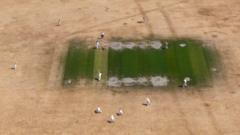
Photos broadcast across media outlets show parched cricket greens in Dorset, exposed riverbeds on the River Wye, and historical bridges normally buried deep underwater suddenly sitting high and dry in empty Yorkshire reservoirs. It feels like a recurring nightmare. We saw this exact crisis in 2022, and again in 2025. Now, in 2026, the pattern repeats itself with terrifying predictability.
People love to blame the weather, shrug their shoulders, and wait for autumn storms. That lazy attitude is precisely why the water crisis keeps getting worse.
The Reality Behind the Parched Earth
Drought isn't just about a lack of rain. It is a systemic failure of infrastructure and water management. When meteorological offices report record-breaking dry spells, the public gets told to turn off the tap while brushing their teeth. Households dutifully suffer through hosepipe bans, yet millions of liters of treated drinking water leak straight out of ancient, crumbling Victorian pipes every single day before it ever reaches a kitchen sink.
Water companies are posting massive profits while failing to invest fast enough in new reservoirs, leakage reduction, or modern distribution networks. When you look at aerial photos of reservoirs like Baitings or Woodhead with their drastically exposed banks, you are looking at decades of institutional underinvestment wrapped up in a weather excuse.
What Actually Happens When Rivers Dry Up
The visual shock of a dry riverbed gets plenty of clicks online, but the biological disaster underneath the surface rarely gets discussed. When rivers shrink to isolated puddles, water temperatures skyrocket. Oxygen levels plummet. Fish populations suffocate in stagnant water while aquatic predators and birds pick off the survivors.
Worse still, lower water volumes mean pollutants and sewage overflows become intensely concentrated. Without enough natural flow to flush the system, delicate ecosystems take a beating that can take years to recover from, even after heavy rains return.
Agriculture takes an equally brutal hit. Farmers trying to grow wheat, potatoes, and soft fruit face strict abstraction limits. They cannot water their crops when they need it most. Food security and local supply chains fray at the edges, proving that a dry landscape quickly translates to empty grocery shelves and higher prices.
How to Stop Playing the Short-Term Game
Waiting for the government or utility providers to magically fix this mess is a waste of time. If you want to protect your property, lower your bills, and build actual resilience against these recurring dry spells, you have to change how you handle water right now.
- Install rainwater harvesting systems: Stop dumping treated tap water onto your garden. Set up large water butts connected to your roof downpipes to capture every drop of rain that does fall.
- Audit your home for leaks: A dripping toilet or hidden pipe leak wastes thousands of liters a year. Check your meter when no taps are running to spot silent leaks immediately.
- Rethink your outdoor space: Lawns are notoriously thirsty plants. Let grass go dormant during dry spells—it bounces back naturally once rain returns—or swap high-maintenance turf for drought-tolerant native plants.
- Support local river groups: Organizations like The Rivers Trust monitor pollution and low-flow stress points. Getting involved puts direct pressure on local authorities to manage abstraction more responsibly.
The next time a drought is declared and the headlines focus on cracked mud, remember that water scarcity in England isn't an act of God. It is a choice. Until we force real accountability into water management and infrastructure spending, those dry riverbeds are here to stay.


