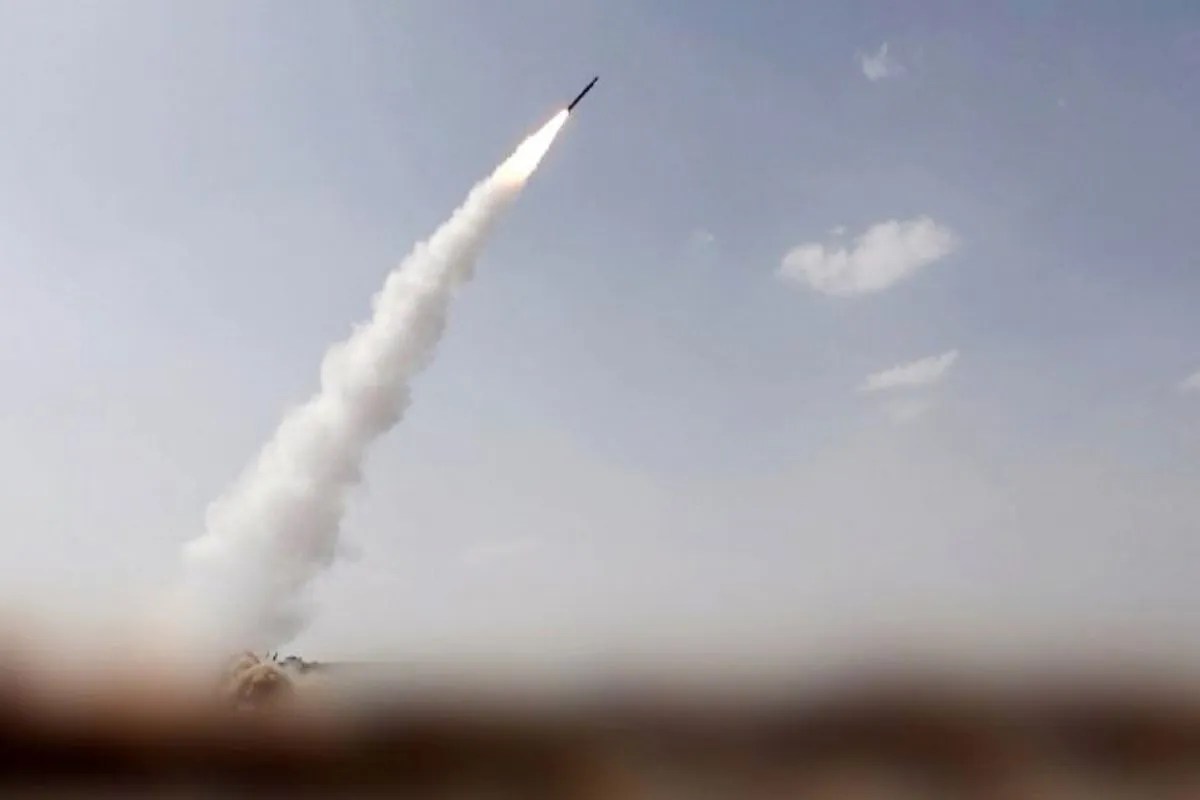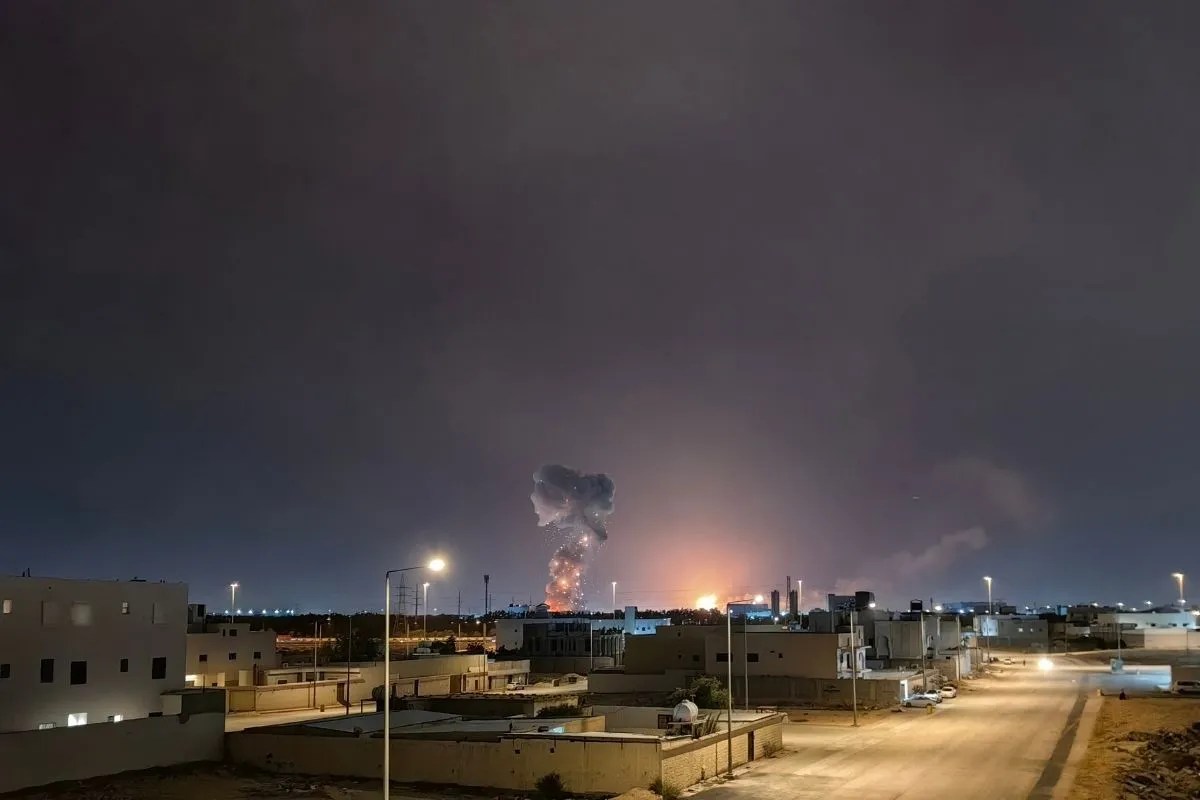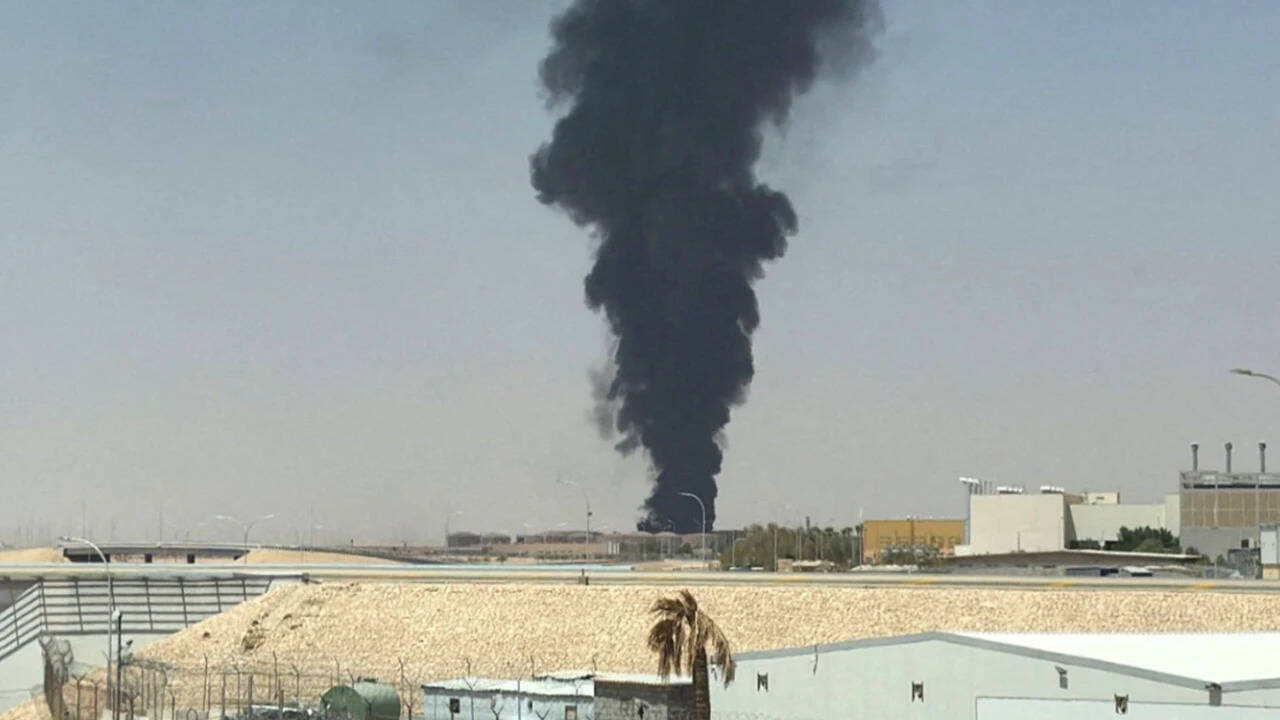
Commercial aviation remains a fragile hinge upon which regional stability balances. When security perimeters fail, the shockwaves extend far beyond the immediate blast zone, disrupting global supply chains and rewriting the calculus of modern conflict. The escalation involving militant factions striking civilian transport hubs in the Middle East is not merely a tactical maneuver. It represents a calculated escalation designed to bankrupt economies and paralyze regional mobility.
Security analysts have long warned about the vulnerability of civilian airfields situated near active conflict zones. Airports require vast expanses of open land, making absolute perimeter defense nearly impossible against asymmetric threats such as long-range drones and ballistic ordnance. When a transport terminal becomes a target, the psychological impact outweighs the physical destruction. Passengers hesitate. Insurance premiums skyrocket. International carriers suspend routes overnight. The economic hemorrhage begins before the smoke clears.
Understanding the mechanics behind these attacks requires looking at supply chains of modern weaponry. Commercial-off-the-shelf components, guidance systems purchased through intermediary shell companies, and decentralized manufacturing have democratized precision strikes. Non-state actors now possess capabilities once reserved for sovereign militaries. This technological democratization neutralizes traditional air defense umbrellas designed to intercept high-altitude fighter jets rather than low-flying, propeller-driven munitions.
Diplomatic channels frequently stall because attribution in modern proxy conflicts remains intentionally opaque. Deniability serves as a shield for state sponsors who supply hardware while publicly calling for restraint. Meanwhile, ground operations stall, economic sanctions fail to alter strategic calculations, and civilian infrastructure absorbs the blow.
Aviation authorities face an impossible choice. Close airspace entirely and strangle local economies, or keep operations running and gamble with human lives. Every flight landing in a contested corridor represents a calculated risk managed by airline executives who must weigh ticket revenue against catastrophic loss. As long as regional grievances remain unresolved and external actors continue to supply advanced hardware, civilian terminals will remain frontline targets in a war with no clear boundaries.