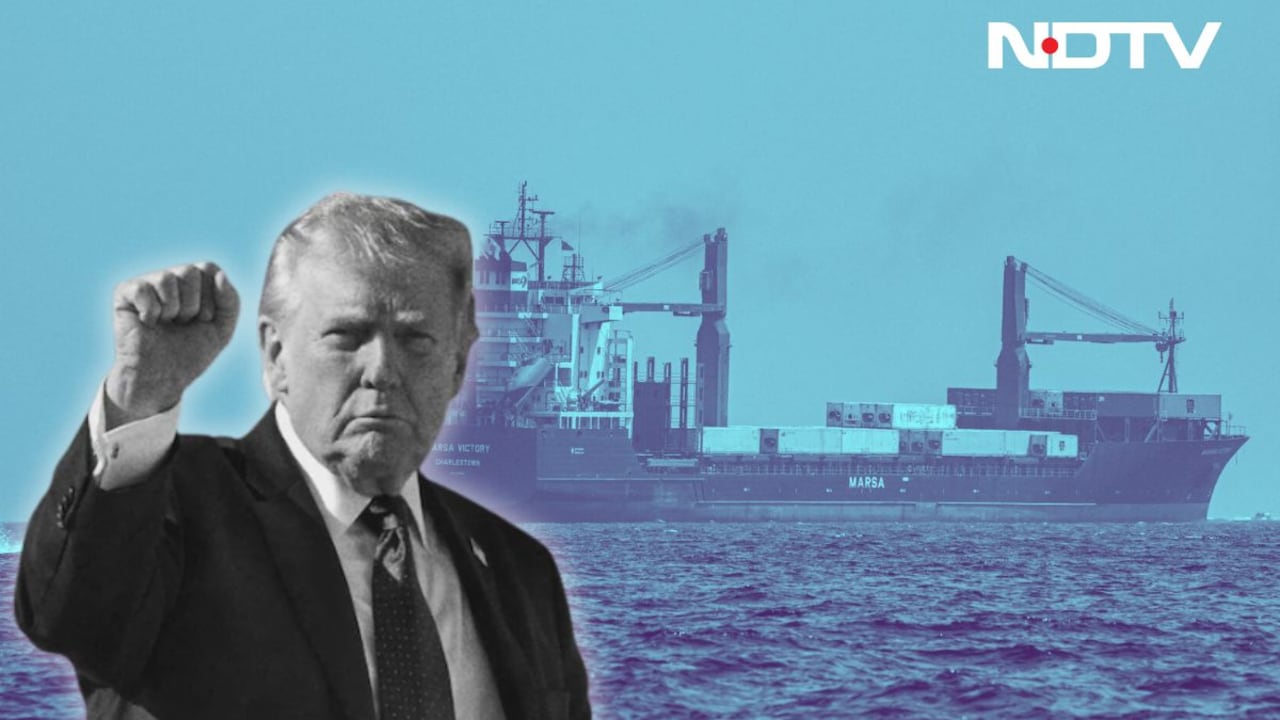
The warning came through standard digital channels with the familiar cadence of modern political posturing. Donald Trump warned of what he termed the biggest attack yet as military strikes commenced, triggering an immediate and furious response from Tehran asserting that the United States would profoundly regret the action. This collision of rhetoric and kinetic force marks another dangerous threshold in a decades-long standoff, moving past the realm of proxy warfare and into direct, volatile escalation. Beneath the public declarations of strength lies a far more fragile strategic reality. Both capitals are navigating an environment where miscalculation carries exponential costs, yet neither side possesses an off-ramp that does not look like defeat.
Understanding the mechanics of this current confrontation requires looking past the immediate shock value of the headlines. Military strikes do not happen in a vacuum. They are the calculated, if often desperate, endpoints of failed deterrence. When a former president warns of an impending catastrophe while current operations unfold, the friction between political messaging and actual operational command creates severe hazards. We are watching a high-stakes game of chicken played with live ordinance.
The Anatomy of Deterrence Failure
Deterrence works only until it fails entirely. For years, Washington and Tehran maintained an unspoken rulebook of engagement. Proxies clashed in Iraq, Syria, and Yemen. Cyberattacks targeted infrastructure. Tankers faced harassment in the Persian Gulf. Both sides absorbed these blows because the threshold for total war remained too high.
That architecture of containment has eroded. When kinetic strikes breach sovereign territory or target command nodes directly, the old rules no longer apply. The Iranian government faces internal pressures that demand a visible response. A regime facing economic strangulation from sanctions and domestic unrest cannot absorb a direct military blow without retaliating in kind. To do otherwise risks appearing weak to its own security apparatus.
The United States, conversely, is trapped by its own commitments to regional allies and the dogma of projected dominance. Once a threat is articulated at the highest levels of American political discourse, backing down becomes politically toxic. This dynamic creates a self-fulfilling prophecy of escalation.
The Economic Shockwaves
Markets hate uncertainty, but they despise active conflict in energy corridors even more. The Strait of Hormuz remains the jugular vein of global petroleum transport. Roughly a fifth of the world's petroleum passes through this narrow waterway daily.
When strikes begin and threats fly, shipping insurance rates spike instantly. Energy traders do not wait for tankers to be actually hit before pricing risk into futures contracts. A sustained escalation translates directly to pain at the pump for consumers thousands of miles away from the conflict zone. This economic contagion spreads quickly. Inflationary pressures that central banks spent years trying to cool can reignite over the course of a single weekend of hostilities.
- Shipping Disruptions: Commercial vessels routinely alter routes, adding days to transit times and inflating freight costs.
- Insurance Premiums: Underwriters classify the entire region as a war zone, raising operational expenses for global trade.
- Energy Volatility: Crude oil benchmarks swing wildly based on unverified social media reports from the region.
The Proxy Network Factor
Neither the United States nor Iran intends to fight a total conventional war on each other's home soil. Instead, the battlefield stretches across multiple proxies. Iran has spent decades cultivating a network of armed groups across the Middle East. These assets give Tehran plausible deniability while projecting power from Lebanon to the Red Sea.
When direct strikes occur, these proxy groups activate. They serve as the shock absorbers and the primary instruments of Iranian retaliation. Whether through drone attacks on logistics hubs or anti-ship missiles targeting commercial transit, the periphery absorbs the blow.
This decentralization makes conflict management nearly impossible. A rogue cell or an overzealous commander within a proxy network can launch an attack that kills American service members, instantly foreclosing any diplomatic breathing room. Command and control structures are rarely as centralized as strategists in comfortable offices assume.
The Historical Precedent of Misstep
History offers grim reminders of how quickly regional spats spiral out of control. The assassination of high-ranking military commanders in previous years demonstrated that targeted actions rarely restore calm; they merely set a new, higher baseline of violence.
The current political rhetoric mimics the pre-conflict theater of past crises, but the internal vulnerabilities of all participating actors are far more acute today. Economic distress in Iran breeds unpredictability. Political polarization in the United States complicates any coherent, long-term strategy. When leaders operate under intense domestic pressure, they are more likely to gamble on high-risk military maneuvers to alter the news cycle or project authority.
The Missing Strategic Horizon
What happens after the smoke clears from the initial wave of strikes? This remains the glaring omission in every press briefing and public warning. Neither side has articulated a sustainable end state.
Destroying infrastructure or degrading military capabilities yields temporary tactical advantages, but it does not alter geopolitical realities. Iran will rebuild its networks. Regional grievances will fester. The fundamental friction between Washington's regional security architecture and Tehran's revolutionary ideology remains entirely unresolved.
Military force is an expensive instrument of diplomacy. When used without a clear political objective beyond immediate retaliation, it becomes an engine for endless entanglement. The warnings of catastrophic attacks and the vows of bitter regret are symptoms of a deeper diplomatic paralysis. Until both sides find a mechanism to address the root causes of their hostility rather than merely trading blows, the cycle of escalation will continue its upward trajectory, pulling the region closer to an irreversible threshold.