Europe is baking under temperatures that its infrastructure was simply never built to handle. If you think the solution to extreme climate shifts is always some multi-billion-dollar tech project, think again. Right now, transit authorities and engineers across the continent are finding out that low-tech hacks are doing the heavy lifting.
We are seeing a massive shift in how cities manage extreme summer spikes. June 2026 just went down as the hottest June on record for Western Europe, and July is keeping up the pressure. With tracks buckling and runways softening, the most effective tools aren't complex. They're incredibly basic.
The Cheap Paint Job Saving Stockholm Metro Tracks
Steel expands when it gets hot. When rails get too hot, they warp, bend, and cause train derailments. It's a logistical nightmare that shuts down entire transit lines.
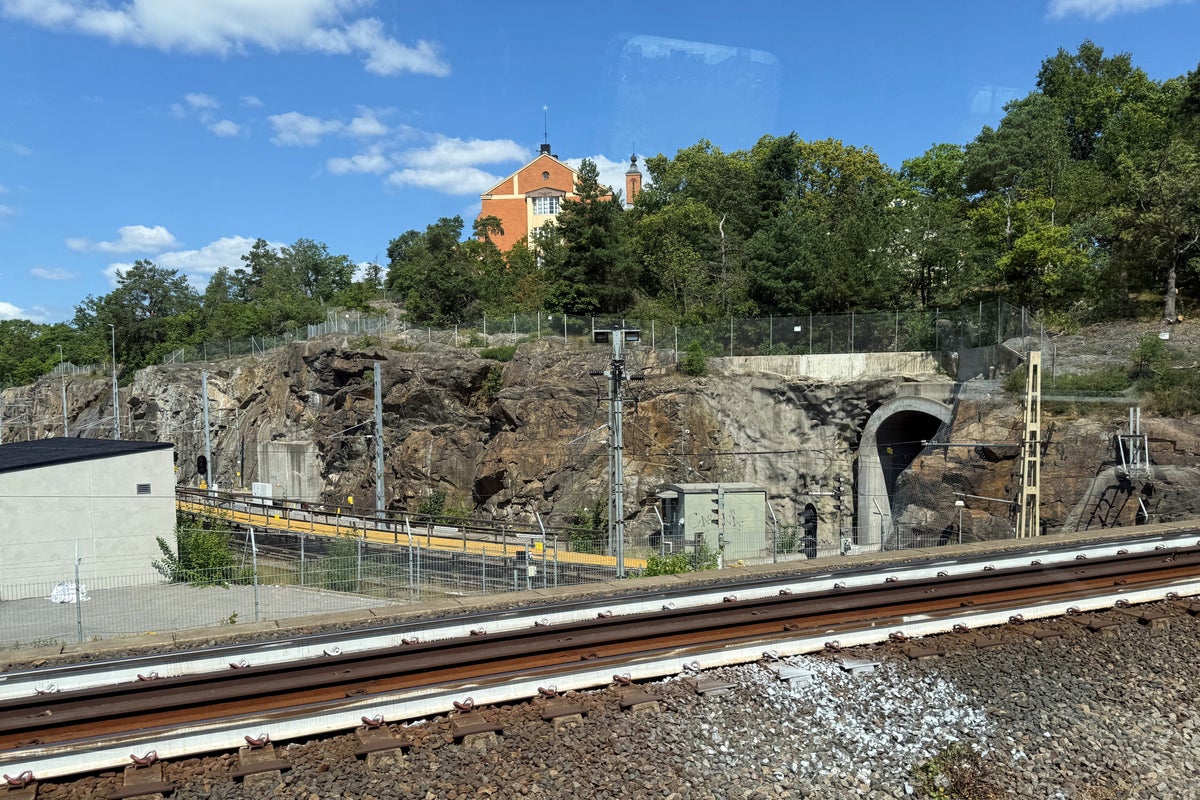
Instead of ripping out thousands of miles of steel, Stockholm’s transport authority tried something ridiculously straightforward. They painted sections of the metro track white. The logic is pure school-level physics. Dark steel absorbs heat; white paint reflects it.
The Swedish transit team spent about 100,000 Swedish crowns to coat critical track sections. The result? The painted tracks stay significantly cooler than the bare metal next to them. It keeps the steel below the critical temperature threshold where warping happens. It's a quick fix that buys time while long-term engineering catches up.
Dousing Tarmac at Oslo Airport
Norway is a country famous for dealing with freezing blizzards, not blistering heat. Yet workers at Oslo airport recently found themselves deploying fire brigades to solve a summer crisis. Temperatures hit 30 degrees Celsius, a staggering 10 degrees above the seasonal norm.
High heat softens asphalt. When a multi-ton commercial aircraft lands on soft asphalt, it grooves and destroys the runway. The immediate solution wasn't a fancy new chemical treatment. It was spraying 9,000 liters of water directly onto the tarmac to cool it down through evaporation.
It looks primitive. You have high-tech jets landing on a runway being sprayed down by local fire trucks. But it works. While Avinor, the state-owned airport operator, tests new heat-resistant asphalt blends for future upgrades, water is the stopgap keeping flights moving today.
The Real Reason Northern Europe is Falling Apart
Why are these emergency measures even necessary? The answer lies in how Europe originally built its infrastructure decades ago.
Planners built highways and railways to survive local historical climates. In Northern Europe and Britain, that meant engineering roads to survive freeze-thaw cycles in winter. They used asphalt blends that stay flexible in deep cold so they don't crack when water freezes underneath them.
Southern countries like Spain do the opposite. They use harder asphalt mixtures engineered for prolonged summer heat.
Now, the climate lines are blurring. Northern countries face hotter summers, while still getting freezing winters. Building a road that survives both minus 15 in January and plus 40 in July is an engineering headache. It means planners have to rewrite the entire playbook for civil engineering.
Beyond the Tracks how Cities are Changing
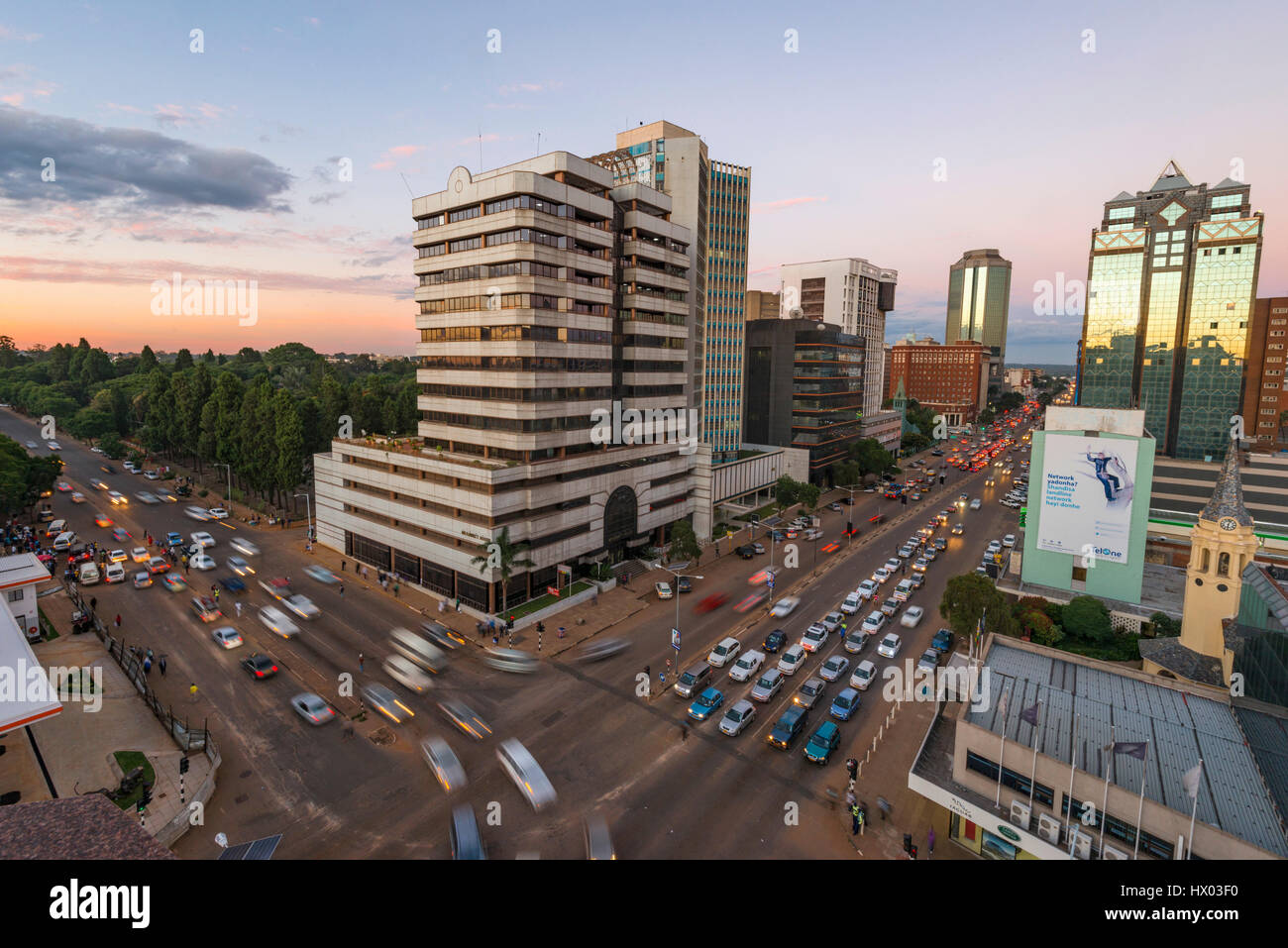
The fight against extreme heat extends right into urban neighborhoods. Dense concrete environments act as heat traps, making cities several degrees hotter than surrounding rural areas.
Air conditioning seems like the obvious fix, but it creates a vicious loop. Running millions of AC units strains the power grid and pumps hot air right back out onto the streets, making the outdoor environment even worse. Plus, many European apartment buildings were originally designed to trap heat to keep residents warm during long winters.
Many cities are shifting toward nature-based cooling instead. Planting rows of urban trees lowers ambient temperatures through shade and moisture release. Paris is rolling out designated cool zones across its districts, and Madrid has expanded its network of indoor climate shelters in public buildings to give vulnerable citizens a place to cool down without overloading residential energy grids.
Immediate Steps to Prepare for Summer Spikes
You can apply the exact same logic Europe is using on a macro scale to protect your own property and stay safe during extreme heatwaves.
- Reflect the light: Use light-colored or reflective blinds on windows that face the sun. Keeping the sun from penetrating your glass is far more effective than trying to cool down an already hot room.
- Ditch the oven: Cooking indoors during a heatwave introduces massive amounts of ambient heat into your living space. Switch to a microwave or outdoor grill during peak afternoon hours.
- Hydrate on a schedule: Don't wait until you feel thirsty to drink water. Sip consistently throughout the day to keep your body's natural cooling system functioning efficiently.
- Check your local shelter maps: Know where your community's air-conditioned public spaces are before the power grid or your home system experiences an outage.