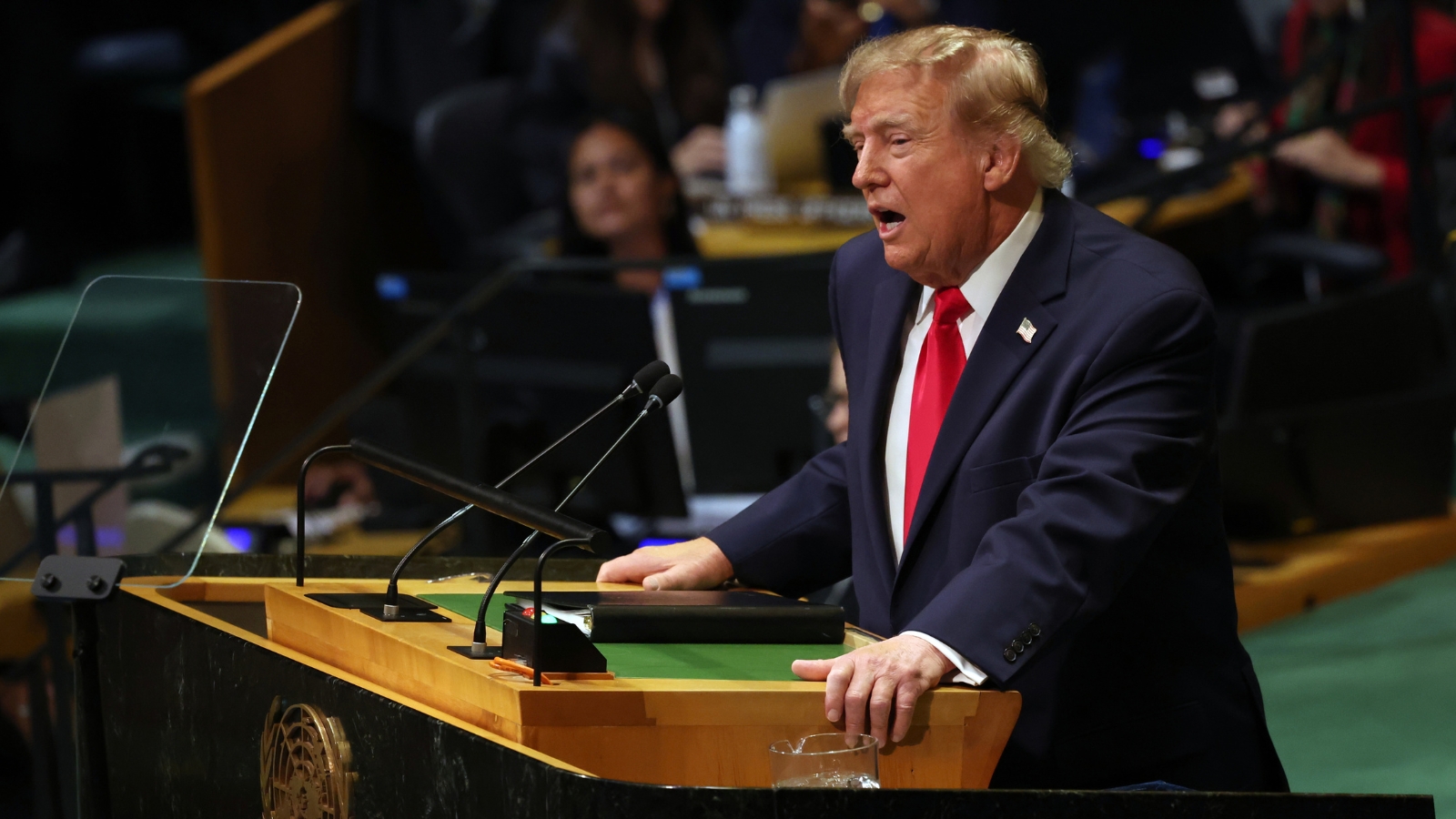
Every September, the United Nations General Assembly turns into a global high school cafeteria where the popular kids scream across the room while everyone else pretends to read their lunch tray. Mainstream media outlets treat these podium speeches like gospel, analyzing every syllable of a threat or a handshake as if it directly triggers World War Three. It is not strategy. It is domestic performance art designed for a 15-second soundbite on the evening news.
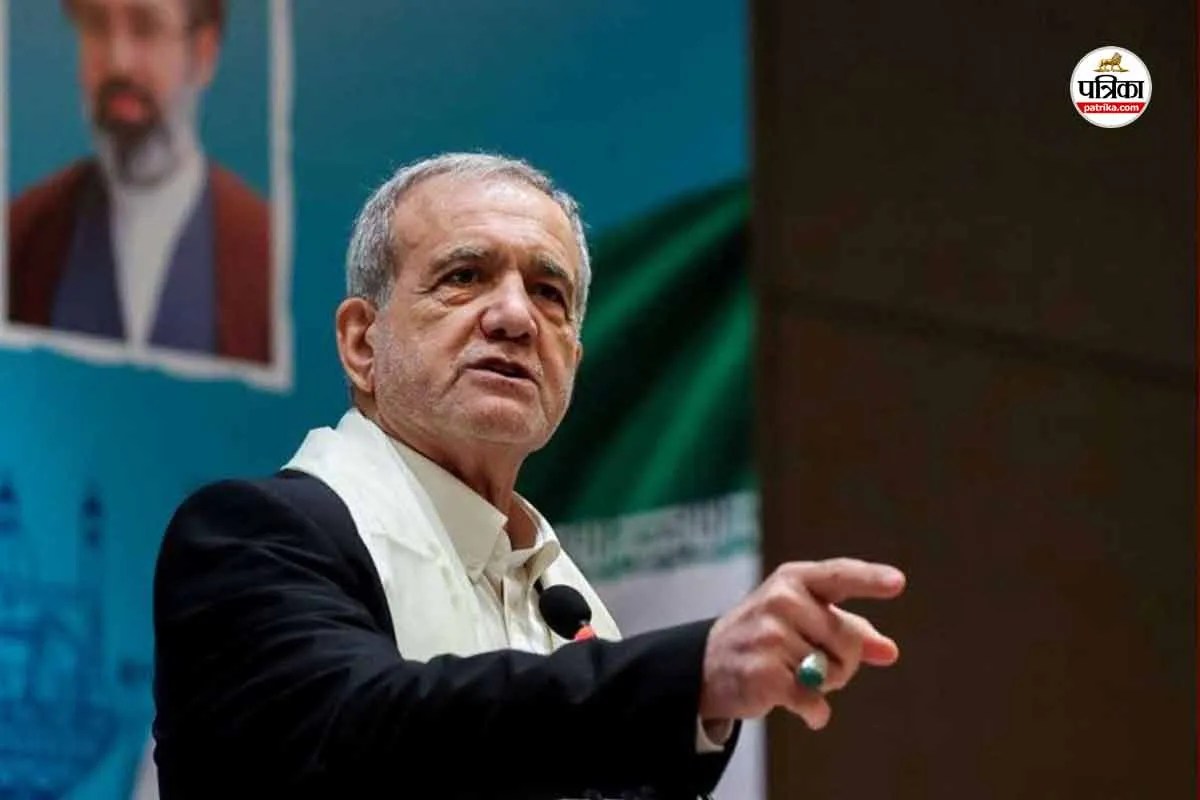
When a leader stands at that green marble podium and threatens total annihilation or trades public praise with a regional counterpart, the collective pundit class loses its collective mind. They scramble to build elaborate theories about shifting alliances and imminent military strikes. They are getting played. The real diplomacy, the actual transfer of leverage, never happens under the television lights of the General Assembly hall. It happens in windowless hotel suites four blocks away, handled by underpaid bureaucrats who have not seen the sun in three days.
The Myth of the Podium Ultimatum
Let us clear up a foundational misunderstanding about international relations. Public threats issued at the United Nations are almost entirely decoupled from immediate military action. If a government intends to launch a kinetic strike or execute a regime change, they do not announce it to an auditorium half-full of junior delegates checking their phones. They do it at three in the morning with zero warning.
When threats are broadcasted to the world stage, they serve a domestic audience. They are meant to signal strength to voters back home who cannot find the target country on a map. By treating these theatrical outbursts as operational blueprints, the media acts as an amplifier for cheap political theater.
Imagine a scenario where a CEO walks into an annual shareholder meeting, screams obscenities at a competitor across the room, and promises to bankrupt them by Friday. Wall Street would pull that CEO's shares within ten minutes for sheer unprofessionalism. Yet, in geopolitics, analysts dissect that exact behavior as masterclass statecraft.
The Pakistan Paradox and Strategic Validation
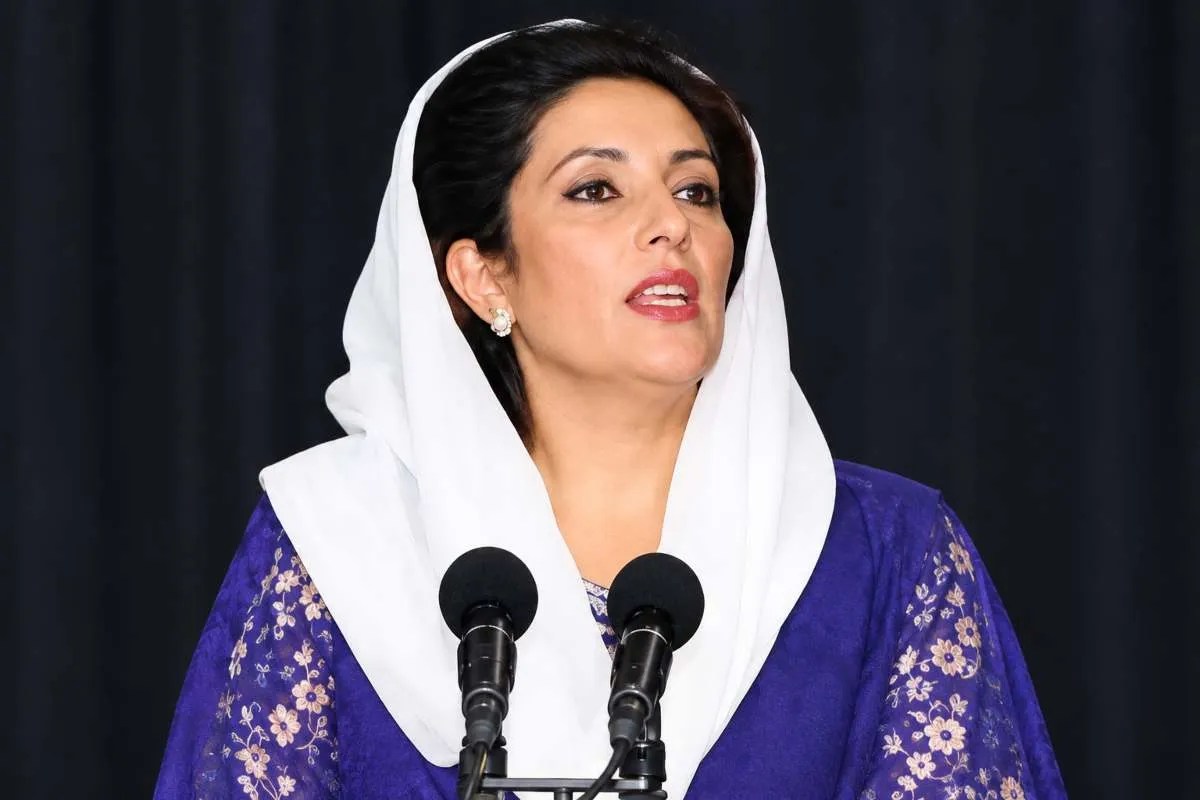
Consider the obsession with cited praise from regional leaders, such as a prime minister offering public backing to a controversial American administration. Commentators love to spin this into a massive diplomatic coup, proof of a new axis of influence or a sudden alignment of core interests.
This is wildly naive. In transactional diplomacy, public praise is cheap currency. A leader of a developing economy facing internal fiscal pressures does not offer praise for free; they extract concessions behind closed doors—debt relief, IMF program leniency, or intelligence sharing—while throwing the superpower a rhetorical bone on international television. It is a trade. You give me a headline that helps me manage my domestic optics, and I will give you a soundbite that makes your voters feel vindicated.
To call this a strategic triumph misses the mechanics of modern leverage entirely. It is a temporary transaction, not an enduring friendship. The moment the fiscal or political calculus shifts, that praise evaporates faster than morning dew on asphalt.
Why the Media Craves Catastrophe
The reason this shallow analysis persists is simple economics. Calm, measured stability does not drive clicks or cable news ratings. Panic sells. A headline declaring that two nations are exchanging rhetorical blows suggests imminent peril, compelling the reader to stay glued to the screen.
We have watched this script play out for decades. The actors change, the podium stays the same, and the breathless commentary remains uniformly superficial. Analysts trot out the same exhausted vocabulary of escalation and crisis, ignoring the structural realities that keep major powers from entering direct, mutually assured destruction scenarios over a speechwriters draft.
The Real Game Happens Off Camera
While pundits obsess over who shook whose hand or who walked out of the hall during a speech, the actual levers of global power are pulled in silence. Sanctions waivers are quietly extended. Intelligence channels are kept open through third-party intermediaries in neutral capitals like Geneva or Vienna. Supply chains for critical minerals are locked down via bilateral treaties that never see a parliamentary floor.
None of these realities fit neatly into a television segment. They require patience, technical literacy, and an understanding of bureaucratic inertia. It is much easier to report on a verbal threat than to explain how sovereign debt restructuring limits a nations military budget for the next fiscal year.
Stop Falling for the Script
The next time a world leader steps up to the UNGA microphone and threatens to wipe a nation off the map or praises an unlikely ally, take a deep breath and change the channel. Look past the flashing cameras and the theatrical outrage. Ask yourself who benefits domestically from the noise.
True power never announces itself with a microphone echo in a New York auditorium. It operates quietly, ruthlessly, and out of sight. Everything else is just for the cameras.