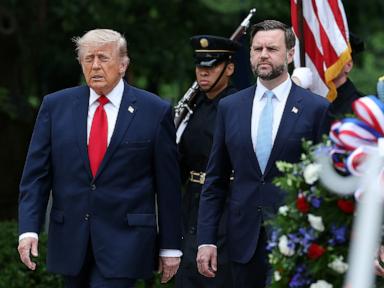
We are living through a grand macroeconomic gaslighting campaign. Every election cycle features the same tired choreography. Incumbents point to lagging indicators like stock market highs or headline employment numbers to declare total victory, while challengers stand on stages acknowledging everyday pain with sympathetic head-nods before offering their own flavor of snake oil. The recent discourse surrounding political economic records and voter anxiety follows this exact script. Trump touts his baseline metrics as a golden era of prosperity, while JD Vance concedes that grocery bills and housing costs are crushing families. Both men are playing parts in a play designed to keep you looking at the wrong set of numbers.
The lazy consensus in modern political commentary assumes that an economy can be cleanly divided into two camps: the triumphant macro data on the corporate balance sheet and the struggling micro reality in the household budget. Pundits debate whether voters care more about gross domestic product growth or the price of eggs, treating these two metrics as if they exist on the same operational plane. This framing is a distraction. The entire debate rests on a foundational falsehood that politicians of every stripe refuse to touch because it invalidates their entire vocation. Building on this idea, you can also read: Inside the Great Wall of Tariffs Why Blocking Chinese EVs is a Trap of Our Own Making.
Here is the inconvenient truth nobody in Washington wants to admit. Politicians do not control the economic weather, and their policy toolkits are mostly theatrical. When an administration takes credit for a roaring market or gets blamed for inflation, they are taking ownership of global tides they merely surfed. Vance is right that Americans are hurting, but he frames it as a fixable administrative oversight rather than an inevitable feature of a financial system engineered to extract wealth upward. Trump is right that specific paper-wealth indicators hit record marks during his tenure, but he ignores the structural debt expansion and monetary policy steroids that inflated those assets at the expense of long-term stability.
To understand why this happens, we have to look past the political theatre and examine how economic reality actually functions on the ground. I have spent years advising private equity firms and watching corporate entities navigate regulatory shifts, tax overhauls, and interest rate rollercoasters. I have seen billion-dollar projects greenlit based on tax incentives that vanished the moment a new administration took office, only for those same corporations to post record profits anyway through sheer operational adaptation. The economy survives politicians, and often thrives in spite of them. Yet, the public remains hooked on the daily drama of who sits in the Oval Office as if the president possesses a secret dial marked prosperity. Experts at CNBC have provided expertise on this trend.
Let us dismantle the primary myth driving the current political discourse: the idea that consumer sentiment and headline economic indicators should move in lockstep. Economists love to scratch their heads when consumer confidence polls look dismal while gross domestic product ticks upward. They call it a disconnect. It is not a disconnect. It is a rational response to a rigged baseline.
When a administration boasts about job creation numbers, they rarely talk about the quality of those positions or the geographic concentration of that growth. A net gain of two hundred thousand jobs means very little if three-quarters of them are low-wage service roles in metropolitan hubs where the median rent has outpaced wage growth by three hundred percent. When a politician points to low unemployment, they omit the labor force participation rate or the millions of workers who are underemployed, holding down multiple gigs just to cover healthcare premiums that cost more than a mortgage did a generation ago.
The conventional wisdom dictates that if you lower corporate tax rates and slash regulations, capital flows down and everyone wins. The counter-wisdom from the progressive side claims that if you pump government spending into social programs and tax the wealthy, you level the playing field. Both arguments miss the structural shift that occurred over the last thirty years. The financialization of the American economy turned corporations from productive engines into capital allocation machines designed to juice share prices via stock buybacks.
During the Trump administration, the 2017 Tax Cuts and Jobs Act was heralded as a rocket ship for business investment. What actually happened? Corporations used the windfall not for aggressive capital expenditure or massive structural wage hikes for the working class, but for historic levels of share buybacks and dividend distributions. It was a massive capital transfer that inflated asset prices for anyone holding equities—predominantly the top ten percent of earners—while leaving the average worker's real wage virtually stagnant once adjusted for inflation.
Yet, when critics attack these policies, they often do so with an equally flawed counter-narrative. They pretend that targeted subsidies or bureaucratic interventions can magically restore a mid-century manufacturing utopia where a high school diploma bought a suburban home and a pension. That world is gone. It was built on a unique post-war geopolitical monopoly that will never return. Pretending we can legislate our way back to 1955 through protectionist tariffs or industrial policy mandates is political malpractice. Tariffs are taxes paid by domestic consumers and importers, not foreign governments. They act as a regressive consumption tax that hits the working class hardest, driving up the cost of everyday goods under the banner of protectionism.
When JD Vance acknowledges American concerns about the cost of living, he touches a nerve because the pain is real. But the solutions offered by the new populist right are fundamentally contradictory. You cannot champion deregulation and supply-side nationalism simultaneously without creating massive economic friction. You cannot isolate trade networks while expecting consumer goods to remain cheap. The math does not work.
The mainstream media loves to ask: "Are Americans better off now than they were four years ago?" This question is a trap designed to elicit a partisan knee-jerk reaction rather than an analytical answer. It assumes the president is the sole variable in a complex global equation involving supply chain vulnerabilities, demographic aging, debt-to-GDP ratios, and central bank monetary policy.
The Federal Reserve holds vastly more sway over your financial reality than any elected official in Washington. When the central bank kept interest rates near zero for over a decade, it blew up asset bubbles in real estate and equities, pricing an entire generation out of homeownership. When they aggressively hiked rates to combat inflation, they broke the housing market by locking existing homeowners into low-rate mortgages they can never afford to leave, freezing inventory and driving prices to historic highs. Neither Trump nor Biden nor Vance controls the Federal Reserve, yet politicians from both sides take the credit when monetary policy inflates asset values and take zero blame when the bill comes due.
If you want to understand why housing is unaffordable, stop blaming the current occupant of the White House and start looking at municipal zoning laws, NIMBYism, corporate single-family home acquisitions, and the construction labor shortage. If you want to understand why groceries cost more, look at corporate consolidation in the agricultural sector, supply chain fragility, climate disruptions, and energy input costs. Washington politicians are simply actors standing in front of a massive, automated machine, pretending they are the ones pulling the levers.
So how do you navigate an economic landscape where the macro data lies to you and the politicians exploit your anxiety? You stop outsourcing your financial sovereignty to macroeconomic narratives.
First, abandon the illusion of economic stability provided by political leaders. No administration is coming to save your balance sheet through legislative fiat. If you are waiting for government policy to make housing affordable or healthcare cheap through systemic reform, you will be waiting indefinitely. The structural incentives in Washington favor gridlock and donor appeasement over radical structural fixes.
Second, reevaluate your relationship with risk and assets. The wealth gap in modern economies is driven primarily by asset ownership versus labor income. If your sole financial strategy is earning a salary and parking cash in a traditional savings account yielding near-zero real returns while inflation quietly eats your purchasing power, you are running on a treadmill designed to accelerate until you drop. You must build exposure to productive assets, diversify your income streams, and insulate your household from systemic shocks.
Third, interrogate the financial advice served by mainstream outlets. When you hear that the economy is doing great, look at your own ledger, not the S&P 500. When you hear that disaster is imminent, look for structural resilience rather than running for the panic room.
The political class needs you to believe they control the weather because it keeps you dependent on their promises every few years. They need you to feel outraged, vindicated, or terrified, depending on which news network you tune into. Break the cycle. Look past the political posturing, ignore the manufactured panic over monthly reports, and build a financial life resilient enough to survive whoever happens to be holding the microphone.
Stop asking which politician has the better plan to fix the economy. Start asking how you can build an economy of one that doesn't need their permission to thrive.