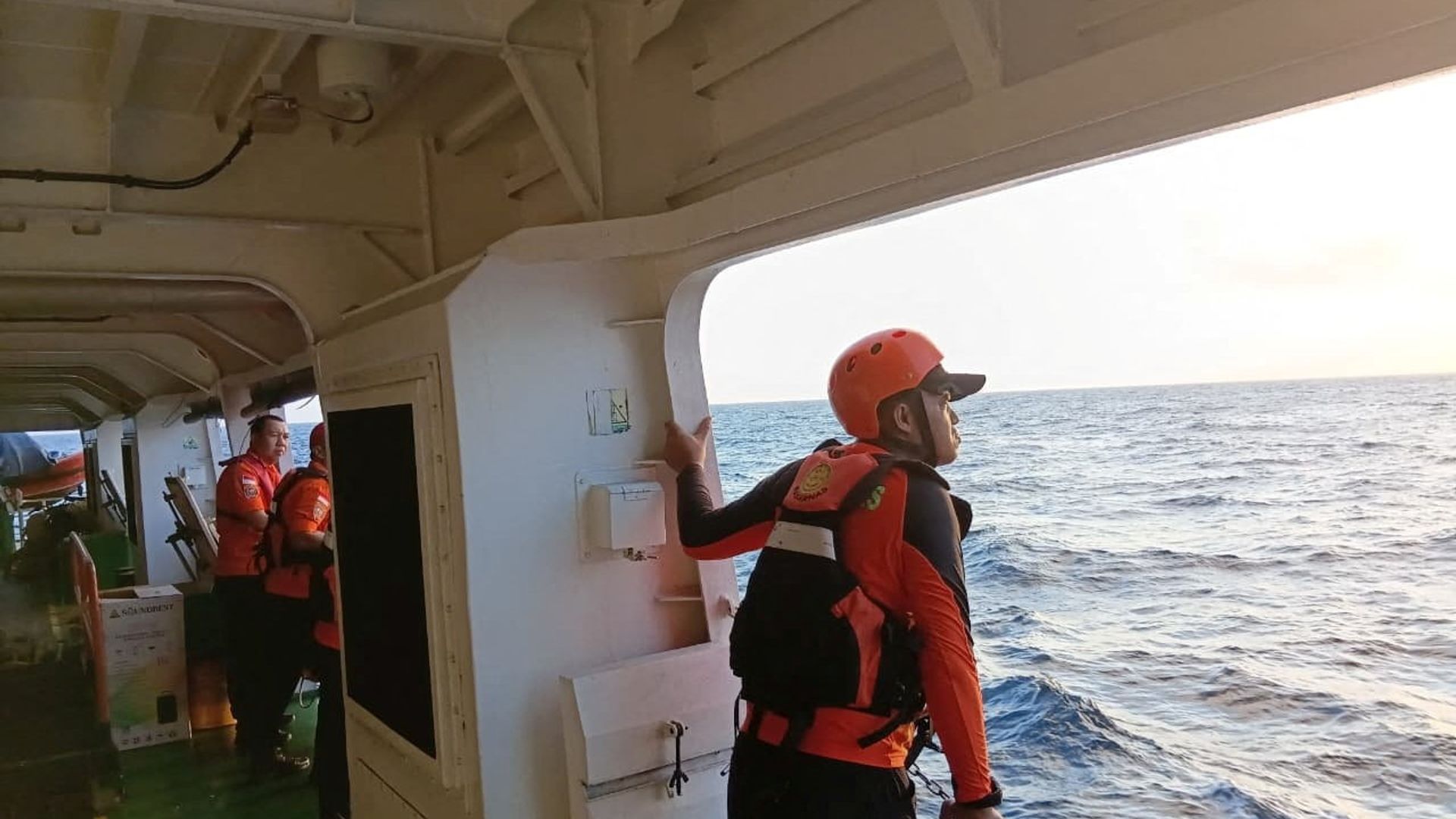
Every single mainstream travel publication ran the exact same predictable script when European tourists were pulled alive from the wreckage of a sunken speedboat in Indonesian waters. They pointed fingers at local operators, published recycled safety checklists, and issued sweeping warnings about maritime infrastructure.
They are asking the wrong questions entirely.
Focusing solely on the vessel manifest or life jacket counts ignores the structural mechanics of how remote archipelago tourism actually operates. I have spent years tracking marine transit regulations across Southeast Asia, watching operators juggle impossible economic pressures while navigating some of the most volatile currents on the planet. Blaming the crew or the hull material is an easy narrative for armchair commentators who have never stepped foot on a fiberglass speedboat charging through the Lombok Strait.
The Myth of the Regulated Frontier
The lazy consensus says that stricter government oversight solves maritime accidents. That belief falls apart the second you look at the geography. Indonesia spans over seventeen thousand islands. Policing every private charter, local ferry, and tourist speedboat with Western-style Coast Guard standards is a logistical impossibility.
When a speedboat goes down, the media treats it as an isolated anomaly born of negligence. The reality is far more systemic. Operators face razor-thin profit margins driven by hyper-competitive booking platforms that race to the bottom on pricing. When a ticket costs twenty dollars, maintenance corners get cut, not out of malice, but out of financial survival.
If you want safety, stop looking for a paperwork fix from a Jakarta bureaucracy. Demand structural economic transparency from the booking engines that incentivize reckless turnaround times.
Decoding the Risk Matrix
Travelers love to talk about risk management as if it is a personal choice they control by reading a blog post. They pack satellite messengers and waterproof pouches, assuming equipment replaces operational judgment.
Let us look at the actual physics of these incidents. Speedboats operating in the tropics push heavy payloads across open water against unpredictable tidal surges. The point of failure is rarely a single catastrophic event. It is a compounding chain of micro-decisions made hours before departure.
- Overloading: Booking agents squeeze an extra two passengers past capacity because margins demand volume.
- Weather Blindness: Pushing through afternoon squalls to stay on a rigid island-hopping schedule.
- Communication Voids: Relying on cellular signals that vanish five miles off the coast.
Ignoring these variables makes every pre-trip safety briefing nothing more than theater.
What the Headlines Ignore About Survival
The recent rescue of those European tourists sparked widespread applause for local fishermen who spotted the drift. Yet, the coverage glossed over the exact mechanism that kept them alive for hours in heavy swells. It was not the high-tech gear or the emergency beacon. It was flotation buoyancy physics combined with simple drift mathematics.
When vessels sink in these specific waters, the prevailing currents follow predictable seasonal monsoonal vectors. Local rescue coordinators do not rely on GPS coordinates alone; they map the drift.
Travelers must stop treating island transit like taking a commuter train in London or Berlin. You are entering an environment where infrastructure is decentralized and self-reliance is the only currency that matters.
How to Actually Protect Yourself on Island Transfers
Forget the generic advice telling you to check for life jackets. Operators will point to a pile of sun-bleached foam stored under a bench and call it compliance.
Take control of your transit with these actionable, non-negotiable rules:
- Audit the Weight Distribution: If cargo is piled haphazardly against the gunwales and passengers are crammed shoulder-to-shoulder with zero walking space, walk away from the pier. Do not board a top-heavy vessel.
- Watch the Crew: Real safety is visible in habits, not certificates. Does the captain check the bilge pumps before casting off? Do they secure loose gear? If the crew treats the departure casually, find another boat.
- Map Your Own Route: Know the maritime corridor you are crossing. Understand whether you are hugging the lee of larger islands or punching straight across open oceanic trenches where swells build instantly.
The sea does not care about your itinerary, your booking confirmation, or your travel insurance policy. Stop outsourcing your survival to operators trapped in a race to the bottom.


