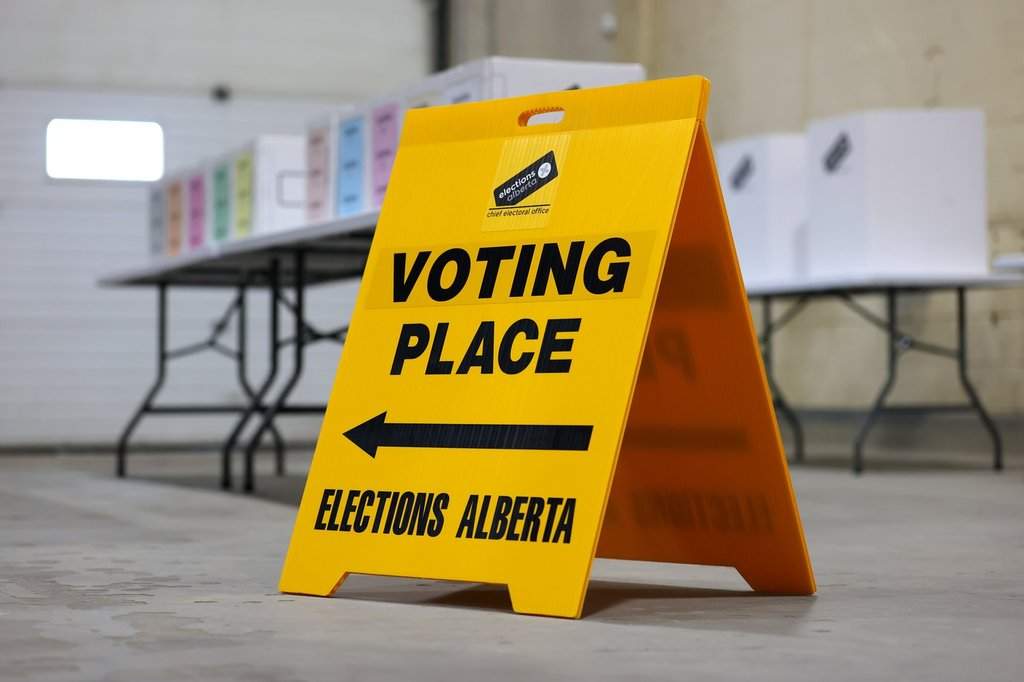
Every election cycle, the standard media playbook rolls out the exact same tired script. Analysts put on their serious faces, nod sagely at polling charts, and lecture the public about civic duty. They tell you that heading to the ballot box is a sacred ritual of polite consensus, a clean mechanism where rational citizens weigh policy options and hand power to the most competent administrator.
It is a comforting bedtime story. And it is entirely false. For a more detailed analysis into similar topics, we suggest: this related article.
I have spent years watching political campaigns burn tens of millions of dollars on targeted messaging, trying to decode why voter turnout fluctuates or why certain demographics stay home. The lazy consensus in political journalism treats the voter as a passive consumer picking a brand of cereal off a grocery shelf. If turnout dips, it is blamed on apathy. If a referendum surges past historic benchmarks—such as the recent high-intensity provincial votes reaching over seventy percent participation—pundits scramble to invent tidy moral narratives about regional grievance or sudden civic awakenings.
They miss the point entirely because they refuse to look at the mechanics of modern political mobilization. Voting in a place like Alberta is not an exercise in quiet civic contemplation. It is a proxy war of friction, administrative engineering, and weaponized frustration. For further information on this issue, in-depth coverage is available at BBC News.
The Myth of the Rational Decider
Let us clear up the first major misconception right away. Political scientists love to talk about the median voter theorem, pretending that parties pivot toward the center to capture the rational, undecided middle. In reality, the median voter is a ghost.
Elections are won by tribal mobilization and structural friction. When governments tweak voter registration rules, shift municipal boundaries, or alter ballot layouts, they are not acting as neutral referees. They are tilting the playing field. When critics howl that legislative changes to municipal voting or local registries are designed to suppress participation, the establishment shrugs and calls it administrative housekeeping.
Imagine a scenario where a government redesigns an electoral process under the banner of security or transparency, knowing precisely that the added administrative hurdles will quietly filter out transient, low-income, or hyper-mobile urban renters who move every twelve months. The outcome is engineered long before the first ballot is marked. When you treat an election like a math equation where every citizen has an equal, frictionless input, you miss how power actually protects itself through bureaucratic drag.
Why High Turnout Terrifies the Machine
We are told that record-breaking voter turnout is always a triumph for democracy. That is another comforting lie sold by people who sell ad space on election night.
High turnout does not signal a healthy, unified populace finding common ground. High turnout signals radical polarization. When participation spikes to decades-high levels—as seen when fierce ideological battles or high-stakes referendums mobilize the electorate—it means the electorate has fractured into warring camps that view each other not as political opponents, but as existential threats.
The political class pretends to want everyone to vote, but institutional players quietly panic when the sleeping baseline of casual voters wakes up. Casual voters are volatile. They do not care about party machinery, institutional tradition, or insider baseball. They show up when they are angry, and anger is an unpredictable asset.
Look at how political parties actually allocate their war chests. They do not spend millions trying to persuade the thoughtful centrist reading policy papers. They spend it on algorithmic micro-targeting designed to stroke the grievances of their base, creating high-intensity feedback loops that turn a standard civic choice into a culture-war referendum.
Stop Waiting for a Better Ballot
If you are waiting for a political cycle where the campaigns focus purely on structural competence, economic diversification, and boring administrative competence, stop holding your breath. That era is dead, if it ever existed at all.
The uncomfortable truth is that the system rewards polarization because polarization works. As long as voters treat elections like team sports where compromise is treason, political leaders have zero incentive to fix the underlying structural rot. Every procedural change—whether it is tinkering with electronic tabulators, altering local registration lists, or packaging complex constitutional questions into multi-part referendums—is calculated to manage risk for the people already holding the levers of power.
Stop looking at election day as a test of your civic virtue. Start looking at it as a stress test of institutional resilience against organized outrage. Until we admit that the game is rigged toward friction and division, we will keep falling for the same old script every single time the polls open.