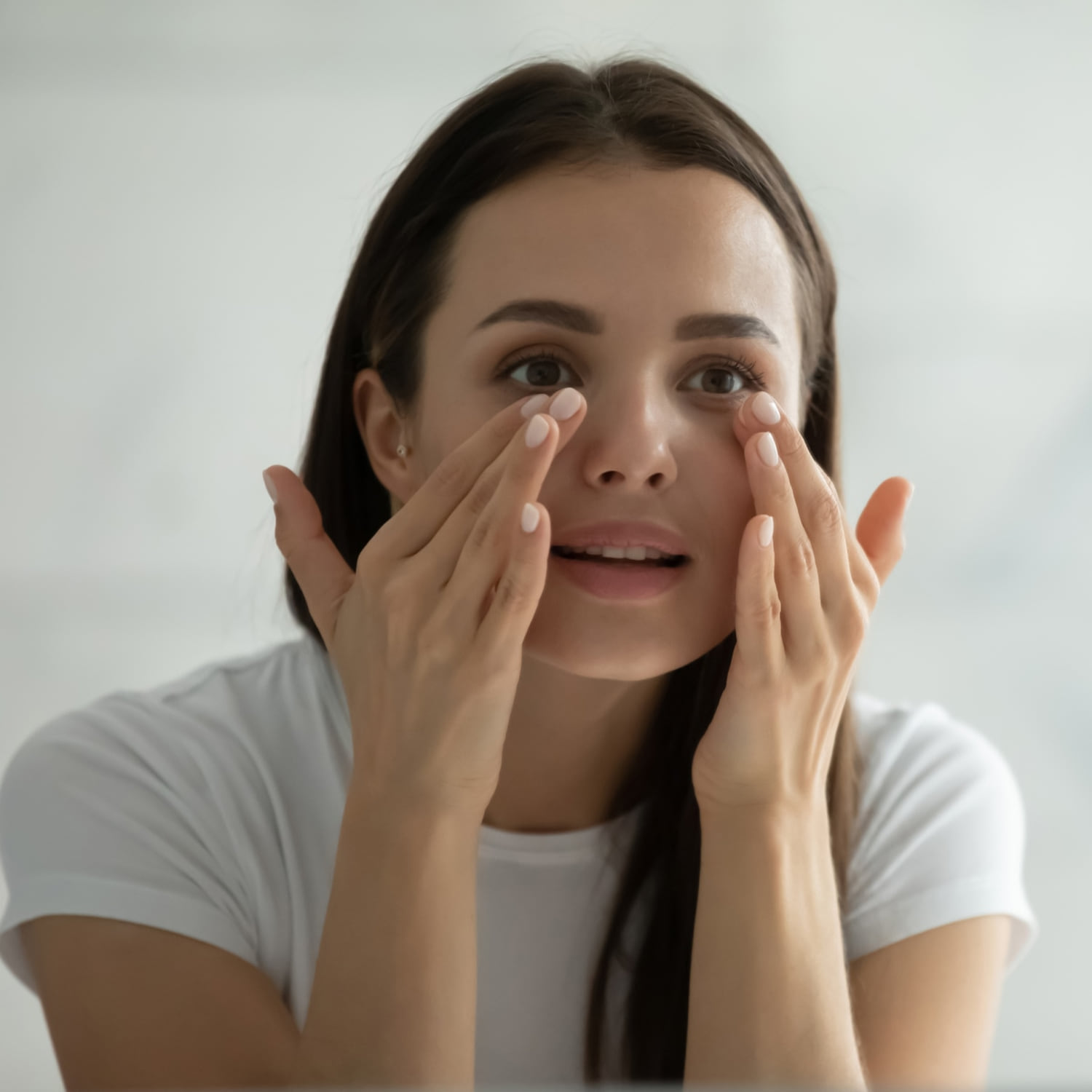
You spent forty dollars on a tiny jar of eye cream promising miracles. You patted it gently under your eyes every night for three months. Nothing happened. The shadows remain. You still look like you haven't slept since 2024.
Most people completely misunderstand under-eye circles. They treat them like a surface hydration problem when they're usually structural, vascular, or genetic. Slathering a peptide cream onto thin skin won't fix a shadow caused by a deep-set orbital bone. It just drains your wallet.
Let's look at what actually works for under-eye circles based on dermatology, not marketing hype.
Anatomy Beats Marketing Every Time
Your skin is thinnest right under your eye. It measures about zero point five millimeters thick. For comparison, the skin on your back is roughly four millimeters thick. Because the under-eye skin is practically translucent, everything underneath shows right through.
Blood vessels pool under the surface. Shadows form naturally when your orbital bone casts a shadow over a sunken tear trough. Pigment deposits accumulate due to genetics or chronic rubbing from allergies.
You cannot fix a structural shadow with a moisturizer. You need to target the actual root cause.
The Topical Ingredients That Pull Their Weight
Topical treatments do work, but only for specific issues. If your circles stem from hyperpigmentation or mild collagen loss, specific actives move the needle.
Vitamin C brightens stubborn pigment. Look for L-ascorbic acid or stable derivatives like sodium ascorbyl phosphate. It inhibits tyrosinase, the enzyme responsible for melanin production.
Retinols thicken the dermis over time. Thicker skin hides the dark blue and purple blood vessels lurking underneath. Proceed with extreme caution here. The eye area burns easily. Start with a low-percentage retinol formulated specifically for eyes, and use it twice a week max.
Caffeine constricts blood vessels temporarily. That morning puffiness and bluish tint shrink down because the blood flow slows. It acts like a temporary fix for a late night, not a permanent cure.
Professional Procedures That Deliver Real Results
Topicals hit a hard wall. When creams fail, dermatological procedures take over.
Hyaluronic acid fillers change the game for structural hollows. A skilled injector places a small amount of filler deep onto the bone beneath the tear trough. This lifts the skin, erases the shadow, and smooths the transition from eyelid to cheek. It costs anywhere from eight hundred to two thousand dollars per session and lasts up to eighteen months. Pick your injector carefully. The eye area leaves zero room for error.
Laser resurfacing handles stubborn pigmentation and fine lines. Fractional lasers stimulate collagen production and break up melanin clusters. Expect a few days of downtime and redness.
Microneedling with platelet-rich plasma triggers your body's natural healing response. Blood is drawn, spun down in a centrifuge, and the growth factors are needled back into the under-eye skin. It improves texture and thickness gradually over three to six months.
Home Habits Worth Changing Immediately
Stop rubbing your eyes. Chronic friction causes post-inflammatory hyperpigmentation. It turns white skin brown or grey over time. If seasonal allergies wreck you every spring, take an antihistamine daily instead of rubbing your eyes raw.
Wear sunglasses with UV protection every single day. UV rays degrade collagen and trigger melanin production. Thin skin damages faster under direct sun exposure.
Sleep posture matters more than you think. Sleeping flat on your back allows fluid to pool under your eyes overnight. Prop your head up with an extra pillow to let gravity drain the fluid while you rest.
Track your triggers. Iron deficiency anemia causes dark circles. A simple blood panel from your doctor tells you if you need a supplement. Fix the internal deficiency before buying another expensive jar of eye cream.
Pick one targeted approach and stick with it for twelve weeks. Skin cells turn over slowly. Give your treatment time to work before changing course. Stop wasting money on generic hydration and treat the actual cause of your shadows.