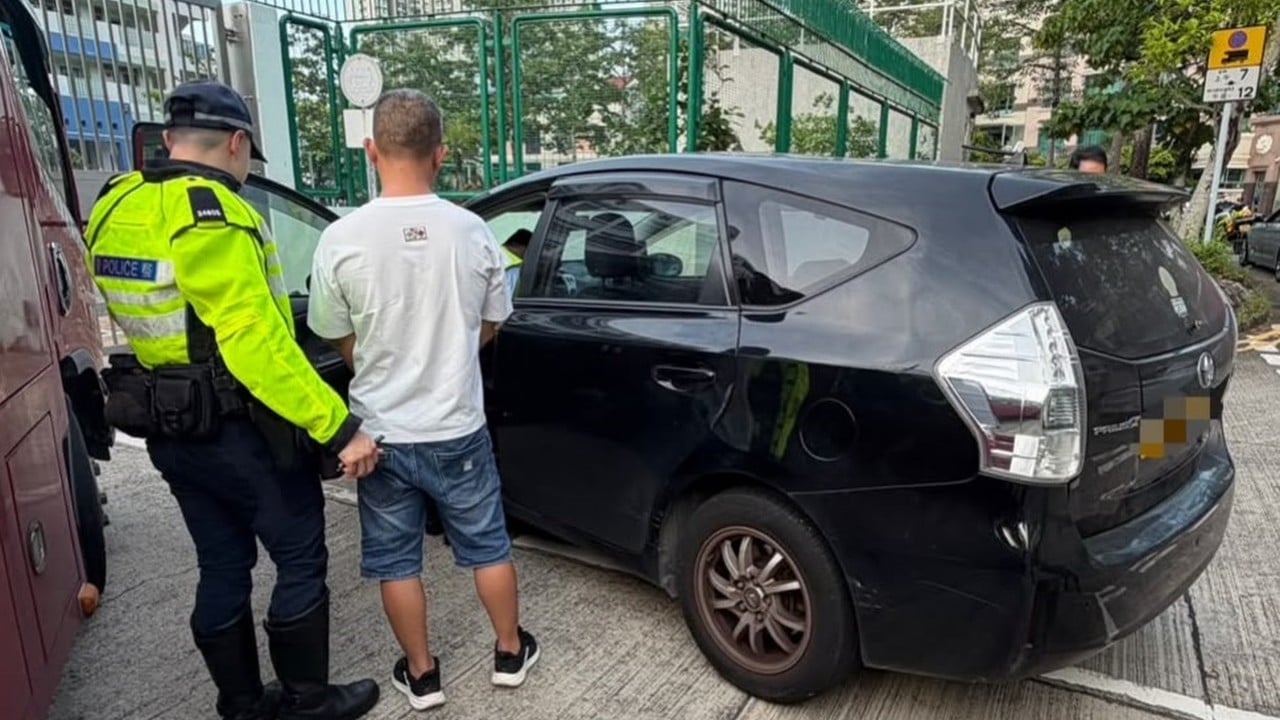
The headlines write themselves. A migrant worker gets caught using a borrowed account to drive for a major ride-hailing app. He is arrested for impersonation and violating visa conditions. The media wrings its hands over consumer safety. The tech platforms issue a boilerplate statement about their strict verification protocols. Politicians demand harsher penalties for gig economy fraud.
Everyone nods along. Everyone agrees that the system worked because a "bad actor" was removed from the streets.
They are completely missing the point.
The narrative surrounding illegal ride-hailing account sharing is built on a fundamental misunderstanding of supply chain economics. The guy behind the wheel is not the systemic failure. He is the symptom of an overly rigid, bureaucratic compliance architecture that fails to adapt to real-time labor market demands.
When a market develops a thriving, multi-million-dollar underground ecosystem for rented profiles, the problem isn’t a lack of policing. The problem is that the legitimate system is fundamentally broken.
The Myth of the Bad Actor
The standard industry take treats account sharing as an isolated security breach. A rogue individual circumvents biometric checks to hustle fares illegally.
Let's look at the actual mechanics of how this happens.
In the gig economy, access to a verified account is a commodity. Legitimate drivers who have passed background checks and possess valid tax registration regularly lease their profiles to unverified drivers for a cut of the earnings—often 20% to 30%. This is not an accidental loophole; it is a highly organized sub-economy.
Why does this sub-economy exist? Because the institutional onboarding processes of major platforms are detached from economic reality.
- Artificial Friction: Legitimate, capable workers are locked out of earning opportunities due to processing backlogs, rigid licensing rules, or visa restrictions that ignore the immediate demand for flexible labor.
- The Labor Vacuum: Ride-hailing platforms require an immense, liquid pool of drivers to maintain low wait times. When regulatory bottlenecks restrict that pool, market forces find a workaround.
- Economic Arbitrage: Renting an account allows marginalized workers to enter the market instantly, bypassing months of red tape.
I have spent years analyzing operational bottlenecks in logistics and digital platforms. When you see a black market this efficient, it means the legal framework has failed to price human capital correctly. The driver arrested for impersonation did not create the security flaw. The platform's inability to legally integrate willing labor created the market for the fraud.
The Biometric Illusion
Tech companies love to tout facial recognition and randomized selfie checks as the gold standard of platform security. They tell the public that their proprietary software keeps riders safe.
It is security theater.
Any competent operational audit reveals the glaring vulnerabilities in these systems. Account renters easily bypass periodic biometric checks through simple social engineering or physical coordination. The legitimate account holder simply takes the selfie when prompted, or the renter uses high-resolution digital displays to spoof basic liveness detection algorithms.
By relying entirely on tech-first verification, platforms ignore the human element of fraud. They build higher walls instead of addressing why people are climbing over them in the first place.
More importantly, this hyper-focus on identification obscures a uncomfortable truth: a driver's legal status or visa type has zero correlation with their ability to safely operate a motor vehicle from point A to point B. The platform's algorithm already rates their driving performance, tracks their speed, and collects user feedback. The underground driver often maintains a flawless rating because their livelihood depends entirely on not triggering a complaint that would lock the account.
The danger isn't the quality of the service. The danger is the liability shift. Platforms use strict verification not to protect the passenger, but to insulate themselves from legal fallout when the regulatory framework fails to account for global migration and labor shifts.
The Real Cost of Tightening the Screws
The knee-jerk reaction from regulators is always the same: demand stricter enforcement, implement biometric checks every three rides, and increase criminal penalties.
Let's trace the actual economic impact of that approach.
| Action | Immediate Consequence | Long-Term Market Distortion |
|---|---|---|
| Increased Biometric Frequency | High churn of legitimate drivers due to software glitch frustration. | Reduced vehicle supply, leading to massive surge pricing for consumers. |
| Harsher Criminal Penalties | Underground markets move further into the shadows, driving up rental costs. | Increased exploitation of vulnerable workers by account cartels. |
| Strict Account Lockdowns | Elimination of casual, part-time supplemental earners. | Monopolization of the platform by full-time fleets, destroying flexibility. |
If you completely choke off the informal labor supply without fixing the onboarding pipeline, the platform's core value proposition collapses. Wait times skyrocket. Prices surge. The platform loses its liquidity.
The current system forces a binary choice: total compliance with an outdated regulatory model, or total criminality. It refuses to acknowledge a third path: a dynamic, conditional licensing framework that allows temporary or non-standard visa holders to legally sell their labor during peak demand periods.
Dismantling the Counter-Arguments
The most frequent objection to this perspective is obvious: What about public safety? We cannot have unverified individuals transporting citizens.
This argument assumes that the current verification process actually guarantees safety. It does not. A background check is a lagging indicator. It tells you if someone has been caught committing a crime in the past within a specific jurisdiction. It does not predict future behavior, nor does it account for international records that are frequently omitted from standard commercial checks anyway.
Furthermore, the current system incentivizes the creation of criminal syndicates. When you make it impossible for a segment of the population to work legally, you do not eliminate their need for income. You simply hand control of that labor pool over to black-market middlemen who extract predatory fees from the drivers.
By refusing to legalize and regulate account sharing through official sub-leasing frameworks, platforms and governments are actively funding the very underground networks they claim to fight.
The Hard Truth for Platform Operators
If you are running a digital marketplace, you need to accept a brutal reality: your users will always understand the operational flaws of your system better than your engineers do.
Stop trying to solve an economic supply problem with a software patch.
The solution isn't to build a better facial recognition tool to catch the guy impersonating a driver. The solution is to create a legitimate path for that guy to register as a secondary operator under an existing asset owner's umbrella. Treat ride-hailing more like commercial fleet management and less like an exclusive, individualized country club.
Until platforms acknowledge that labor liquidity requires flexibility, the underground market will continue to outperform the corporate gatekeepers. Every arrest is not a victory for compliance. It is proof that your market design is failing to meet reality.