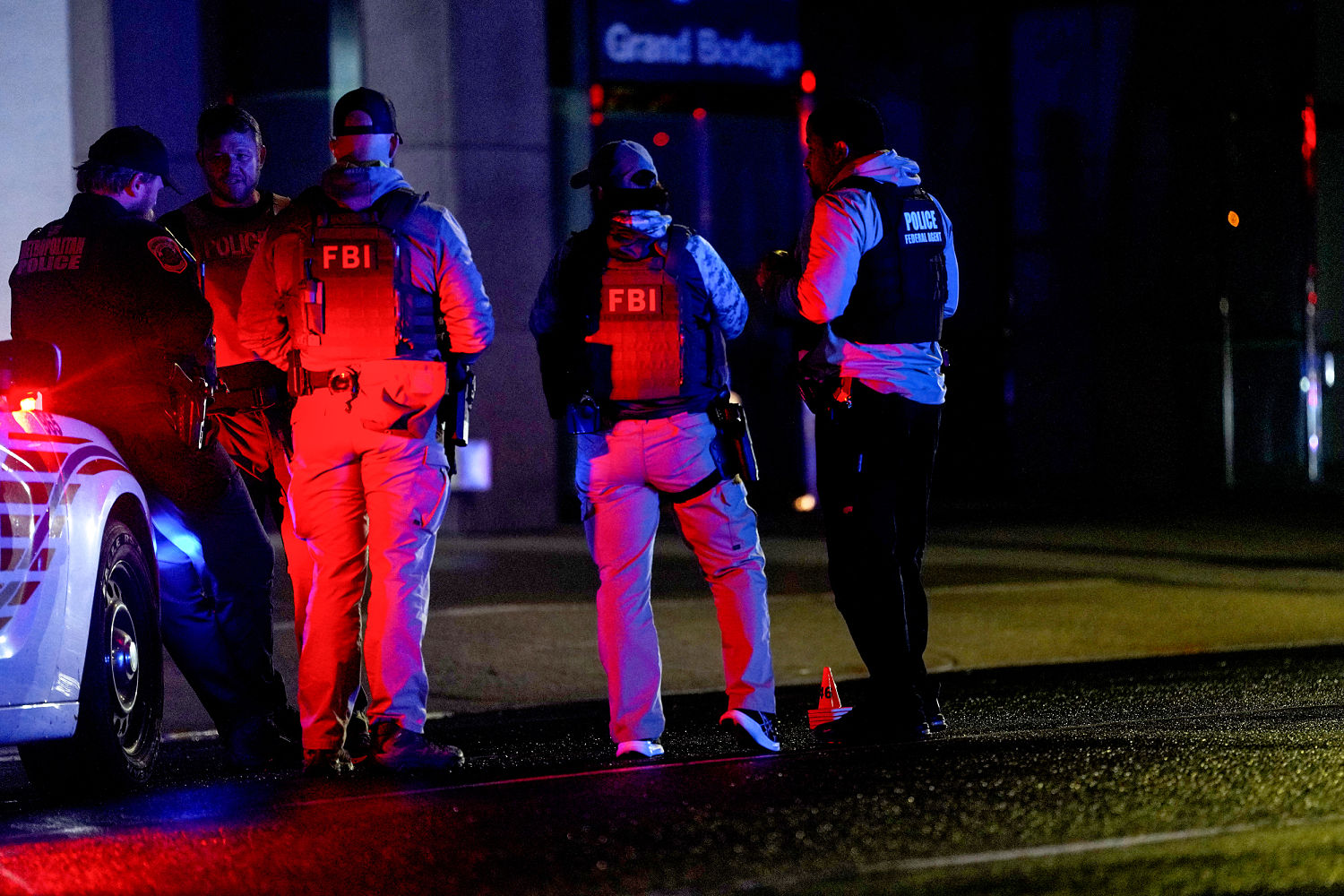
The headlines rolled in like clockwork. The Federal Bureau of Investigation released its data, and the mainstream press dutifully parroted the good news: violent crime dropped at a historic rate. Politicians took victory laps. Pundits declared public policy an unmitigated success. Everyone patted themselves on the back and went home early.
It is a comforting narrative. It is also a dangerous fiction.
When you look at the raw numbers on a national spreadsheet, sure, the line goes down. But spreadsheets do not walk through a downtown transit station at midnight, nor do they run a bodega in a neighborhood where the police precinct stopped dispatching units for property theft because the paperwork outlasts the shift.
I have spent years tracking municipal data architecture from the inside, and I can tell you the dirty secret behind every record drop in violent crime. The drop is not a reflection of a safer society. It is a reflection of a system that has largely stopped recording the crimes it cannot solve, coupled with a public that has given up on reporting offenses that yield zero consequences.
The Mirage of the Official Record
Let us clear up the baseline misunderstanding right out of the gate. When the federal government reports crime statistics, it relies almost entirely on the Uniform Crime Reporting program, which aggregates data voluntarily submitted by local law enforcement agencies.
Notice that word. Voluntarily.
If a local police department faces political pressure to show progress, or if its administrative leadership alters how incidents are classified to protect mayoral approval ratings, the data shifts. A felonious assault gets downgraded to a simple misdemeanor scuffle. An armed robbery gets filed as larceny. The paperwork changes, the headline follows, and the public is told that safety has miraculously improved.
Furthermore, consider the dark figure of crime: offenses that occur but never enter the official ledger. To be counted in federal metrics, a crime must first be reported by a citizen, and second, it must be documented by an officer as a formal offense.
What happens when citizens stop calling?
Talk to any urban store owner or commuter. They have watched response times stretch past an hour. They have filled out online insurance forms instead of calling 911 because they know an investigation will never materialize. When reporting a crime becomes an exercise in bureaucratic humiliation, people stop doing it.
When reporting drops, recorded crime drops. The statisticians call this a trend. Anyone with a pair of eyes calls it an illusion.
The Decriminalization of Reality
We have engineered a bizarre cultural environment where the definition of accountability has shifted from stopping illegal acts to redefining them out of existence.
Across major metropolitan areas, progressive prosecutors and city councils have systematically raised the dollar thresholds for felony theft, effectively legalizing retail looting under a certain dollar amount. When stealing four hundred dollars worth of goods carries no risk of jail time, stores stop calling the police. When the police stop calling the police, the incident never reaches the federal database.
Then we look at the resulting data and congratulate ourselves on a safer urban core. It is like turning off the smoke detector to solve a kitchen fire and declaring the room safe because the alarm stopped screaming.
The lazy consensus among policy analysts is that social programs and economic stabilization drove down these numbers. That is a comforting fairy tale for academics who have never managed a budget or walked a beat. The reality is far more mundane and far more cynical: law enforcement agencies have simply trifled down their enforcement priorities, and the data reflects administrative retreat, not civic peace.
The Real Cost of Institutional Gaslighting
When institutions lie to the public about basic safety, trust fractures in ways that take generations to repair.
Imagine a scenario where a resident gets their car window smashed for the third time in six months. They check the news, read about the record decrease in urban crime, and look out their window at shattered glass on the pavement. Which reality do they trust? The federal press release, or the glass in their driveway?
This disconnect breeds a quiet, corrosive cynicism. Citizens stop believing in public infrastructure. They buy private security systems, arm themselves, and retreat into insular bubbles. The social contract frays not because people are inherently lawless, but because they realize the official arbiters of the law are more interested in public relations than public safety.
The truth is that violent crime is not disappearing; it is migrating, mutating, and being systematically obscured by a reporting apparatus that rewards optimism over accuracy. Until we stop treating spreadsheet gymnastics as gospel truth, we will continue celebrating safety while the foundations crumble beneath our feet.
Stop reading the national summaries. Look at your own street. That is the only data that matters.