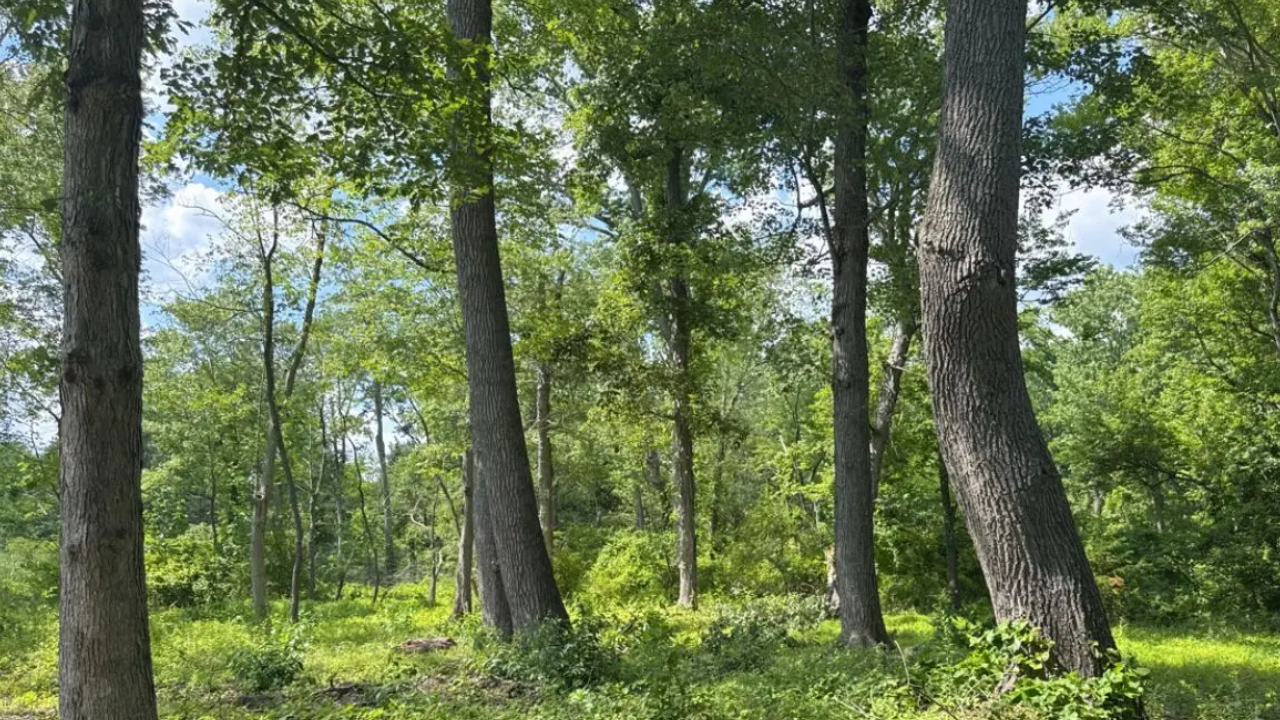
Every local newspaper loves a feel-good story about a multi-generation family locking their dirt into a preservation program. The headlines write themselves. The Becks of Bucks County sign away development rights on thirty acres, politicians clap, and the suburban commentariat rejoices that another plot of green space has escaped the developer's bulldozer.
We are told this is a triumph for heritage, wildlife corridors, and open land. We are told it protects the fragile ecosystem against the relentless march of asphalt.
It is an economic disaster disguised as philanthropy.
I have watched landowners trade long-term financial sovereignty for a short-term tax payout, only to realize too late that they have handcuffed their children, starved the local rural economy of capital, and created a pseudo-parkland that produces neither adequate food nor economic vitality.
Let us dismantle the lazy consensus surrounding agricultural conservation easements.
The Myth of Perpetual Preservation
The entire legal architecture of a permanent agricultural conservation easement rests on a static view of the world. It assumes that what makes sense for a parcel of land in twenty-six acres of Bucks County today will make equal sense in the year two thousand one hundred.
That is economic illiteracy.
Markets shift. Demographics transform. Water tables alter. Urban centers expand, contract, and reconfigure. When you freeze a piece of real estate in amber through a permanent deed restriction, you remove its capacity to adapt to changing human needs.
Proponents point to wildlife corridors and rural aesthetics. They argue that open space has inherent value. They are right that people like looking at a cornfield while driving their SUVs to Trader Joe's. But aesthetic appreciation does not pay property taxes, fund modern agricultural equipment, or support an aging farm family when medical bills arrive.
When a farm enters an easement, its market value drops instantly. You have voluntarily amputated the highest and best use of the asset. The check from the county or the land trust feels substantial on day one. Twenty years later, inflation has devoured it, equipment costs have tripled, and the next generation discovers they are land-rich, cash-poor stewards of a museum piece they cannot modify, subdivide, or sell at true market value to fund their own retirement.
Who Actually Benefits From Permanent Restrictions
Follow the money. It never stops with the farmer.
Land trusts and bureaucratic conservation boards thrive on these transactions. Every easement signed justifies another round of administrative funding, foundation grants, and self-congratulatory annual reports. They lock up private property under the banner of public good while insulating themselves from the economic consequences.
Meanwhile, neighboring landowners who chose not to encumber their properties see their localized supply of developable land shrink. Basic economics dictates that when supply contracts artificially, the remaining developable parcels skyrocket in price. Ironically, the existence of preserved farms accelerates the suburbanization pressure on the non-preserved acreage around them. You do not stop sprawl by drawing a permanent red line around a pasture; you simply redirect the pressure, making neighboring housing developments denser and more expensive.
The public gets a scenic view they do not own and maintain. The land trust gets an endowed asset on their balance sheet. The farmer gets a check that looks like wealth but acts as golden handcuffs.
The Ecological Fallacy
Let us talk about the wildlife corridor argument. Environmental advocates claim that restricted farmland preserves natural habitats and keeps migratory paths open.
Anyone who has spent time on a modern commercial farm knows this is romantic fiction. High-yield modern agriculture is an industrial enterprise. It involves heavy tilling, chemical fertilizers, synthetic pesticides, and monoculture crop rotation. It is not an untouched wilderness. It is an artificial biological desert managed for maximum yield per acre.
If our actual goal were ecological restoration or genuine wildlife protection, we would want that land rewilded, reforested, or converted into native wetlands. Freezing thirty acres in a continuous cycle of corn and soybean production does very little for endangered species compared to actual conservation zoning or habitat restoration projects. We are subsidizing agro-industrial monoculture under the false flag of environmentalism.
The Smart Alternative to Permanent Dead-Ends
Does this mean we should pave over every acre between Philadelphia and the Poconos? Of course not. Unchecked sprawl creates infrastructural nightmares and destroys watersheds.
The flaw lies in the word permanent.
We need temporal flexibility. Smart growth models utilize transferable development rights and rolling conservation contracts that span twenty-to-thirty-year horizons. These tools align financial incentives with land stewardship without destroying long-term equity or locking future generations into static land-use models they did not choose.
A farmer should be rewarded for good environmental stewardship during their working life. They should not be forced to sign away their grandchildren's economic agency to pay this year's assessment.
Stop celebrating the perpetual mortgage on rural potential. A preserved farm is not a victory for the future; it is a monument to a lack of imagination.