You grab a packaged snack, flip it over, and try to decode a list of chemical names that reads like an organic chemistry exam. For decades, food manufacturers have dropped new additives directly into your grocery cart using a glaring regulatory blind spot known as the Generally Recognized as Safe loophole. That era of secrecy is colliding with a hard wall. The Department of Health and Human Services has officially pushed forward sweeping regulatory changes forcing companies to notify federal authorities before hiding new substances in everyday foods.
The Problem With Self-Affirmed Safety
If you assume the government checks every single chemical added to your food supply, you are giving the system way too much credit. Under the historic framework of the Federal Food, Drug, and Cosmetic Act, a provision allowed companies to designate food ingredients as Generally Recognized as Safe, or GRAS, without ever notifying the Food and Drug Administration. Meanwhile, you can find similar events here: What Doctors Want You To Know About CKM Syndrome And Why 90 Percent Of Americans Are Affected.
Companies routinely hired their own panels of experts, quietly signed off on their own safety data, and pumped products onto store shelves. No prior federal sign-off was required.
This self-affirmation path created a massive accountability vacuum. Hundreds of chemical additives slipped into the American diet without public oversight or robust agency tracking. When things went wrong, like the 2022 tara flour outbreak that sickened hundreds of consumers, the FDA often found out only after people ended up sick. Relying on the honor system for corporate food safety is a gamble, and public health advocates have spent years calling out the danger. To explore the full picture, we recommend the excellent article by Everyday Health.
What the New HHS Rules Actually Change
The recent policy shift led by HHS Secretary Robert F. Kennedy Jr. tackles this loophole head-on. Under the proposed rules, the federal government is demanding mandatory notification. Food and animal feed manufacturers can no longer quietly decide a substance is safe behind closed doors. They must submit their safety conclusions and underlying data directly to the FDA.
Alongside tighter ingredient oversight, the federal government is moving to formally define ultra-processed foods. With nearly sixty percent of the average American diet made up of these heavily manipulated items, officials are aiming to ground future nutrition policy in hard data rather than vague guidelines.
Transparency is the core objective here. If a manufacturer wants you to eat a newly formulated additive, the agency wants the data on file and open to public scrutiny before the product hits shelves.
How to Navigate the Shifting Food Landscape
Navigating grocery aisles while federal agencies untangle decades of lax rules requires a bit of street smarts. You cannot rely entirely on regulatory labels to protect your plate right now.
- Read ingredient length over health claims: Front-of-package marketing terms mean very little. Flip the package immediately and look at the actual ingredient block.
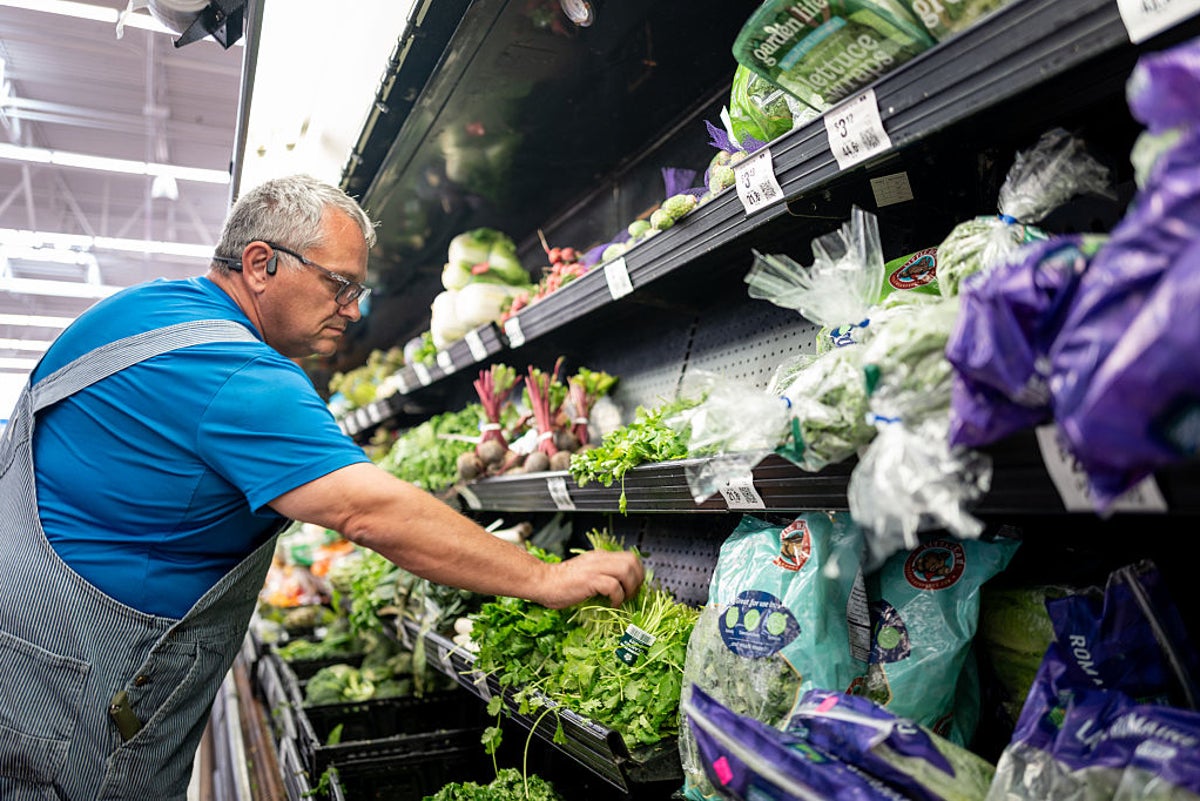
- Prioritize whole ingredients: Foods that do not require an ingredient list—like fresh produce, raw meats, and basic grains—bypass the GRAS loophole entirely.
- Watch for additive clusters: Heavily processed items packed with emulsifiers, artificial colorings, and synthetic preservatives are the exact targets of ongoing regulatory tightening.
Fixing a compromised food supply chain takes time, but forcing corporations to show their homework is a massive step away from the shadows and toward actual accountability.