The Civil War Over Governance
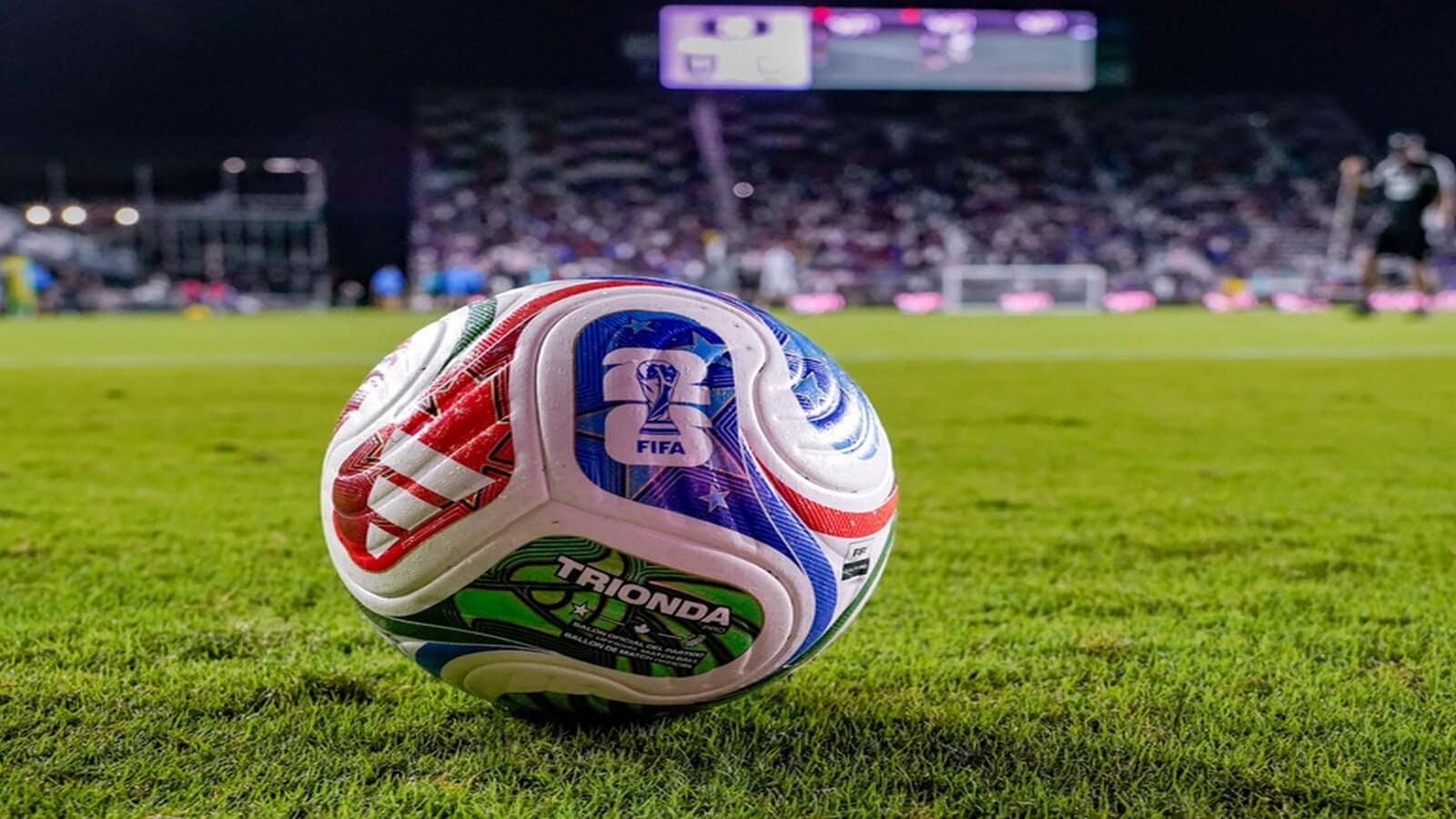
FIFA recently took the unprecedented step of overturning a red card ban handed to an American soccer star, a move that bypassed standard disciplinary channels and ignited a furious political firestorm. UEFA immediately retaliated, warning that the "integrity of the game is at stake" when executive interventions override on-field officiating decisions. This conflict is not a minor bureaucratic disagreement. It represents a fundamental fracture between football’s global governing body and its most powerful continental confederation over who ultimately controls the rules, the discipline, and the commercial assets of the world's most popular sport.
The decision by FIFA to nullify the suspension shook the foundational assumption of sports governance—that the referee's decision is final, or at least subject only to independent, standardized regulatory review. By stepping in to rescue a high-profile player from a suspension, FIFA did more than alter a tournament roster. They established a dangerous precedent.
The Collapse of Regulatory Independence
Football has long maintained a strict separation between its political executives and its disciplinary committees. This separation is designed to ensure that a yellow card issued in London carries the same weight as one issued in Buenos Aires, independent of the player's market value or the shirt they wear.
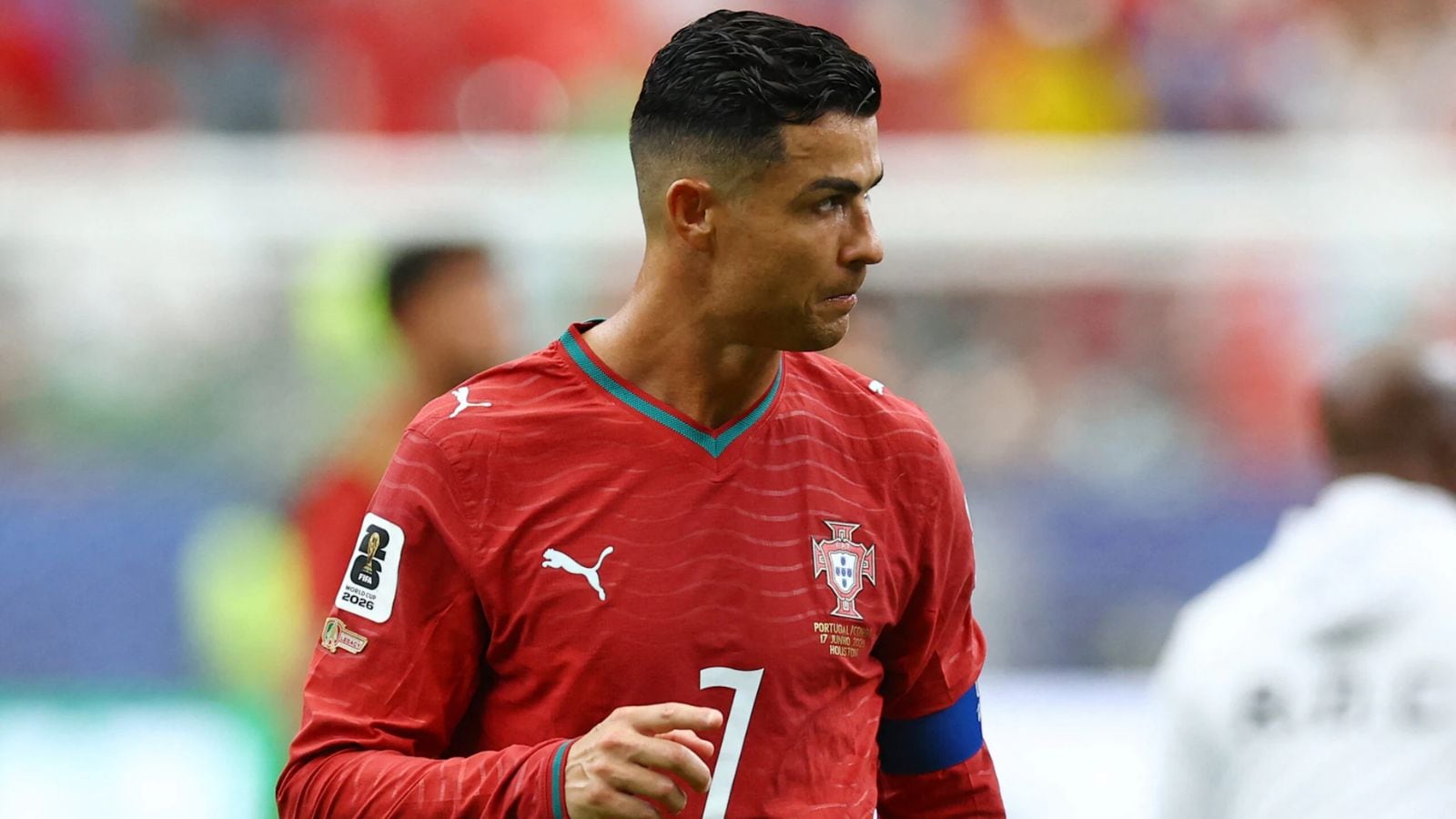
When FIFA leadership intervened to erase the American star's red card ban, they shattered that separation. The official justification leaned on technicalities regarding VAR review errors, but the timing and the target of the intervention tell a far more pragmatic story. The player involved is a commercial powerhouse, central to broadcasting contracts, ticket sales, and merchandising revenue for an upcoming major tournament.
UEFA's swift, public condemnation was framed around the "integrity of the game," but their anxiety is rooted in structural survival. If FIFA can arbitrarily wipe away disciplinary sanctions to protect commercial assets, the entire pyramid of sporting meritocracy begins to crumble.
Referees are trained to operate without fear or favor. That mandate becomes impossible when officials know that a politically connected federation or an influential television partner can lobby Zurich to have on-field decisions erased by Friday morning. It transforms the rulebook from a rigid code into a negotiable document.
Commercial Pressure Versus Sporting Merit
The financial stakes in modern football have reached a point where a single player's absence from a tournament can swing broadcasting valuations by tens of millions of dollars. FIFA is hyper-aware of this reality.
The governance model of global football is currently facing an identity crisis, split between two opposing forces:
- The Traditionalists: Led by UEFA and domestic leagues, who argue that the unpredictable, unscripted nature of the sport is its true value.
- The Modernizers: Led by FIFA’s current executive wing, who increasingly view tournaments as premium entertainment products that require guaranteed star participation to maximize return on investment.
This intervention is a direct symptom of the entertainment-first philosophy. By ensuring that a marquee American player remains on the pitch, FIFA protects its immediate television ratings and satisfies corporate sponsors. However, this short-term financial insurance policy comes at an exorbitant long-term cost to the sport’s credibility.
When fans and opposing teams believe the outcome of a disciplinary process is rigged to favor teams that move the needle financially, the illusion of a fair contest vanishes. Once that illusion is gone, the sport loses the unique emotional hold it has on the global public.
UEFA's Counterattack and the Threat of Secession
UEFA’s aggressive public response was not merely born out of solidarity with refereeing crews. It was a calculated geopolitical countermeasure. The relationship between UEFA and FIFA has been deteriorating for years, driven by clashes over the international match calendar, the expansion of the Club World Cup, and the distribution of global football revenues.
By framing FIFA’s intervention as an assault on the integrity of the game, UEFA is positioning itself as the defender of football's traditional values. It is a potent political narrative that resonates deeply with European clubs, fans, and domestic leagues who feel increasingly marginalized by FIFA’s centralized power grabs.
Behind closed doors, European football executives are discussing defensive mechanisms. If FIFA continues to manipulate disciplinary outcomes for commercial convenience, UEFA possesses the ultimate nuclear option: the withholding of European players and clubs from FIFA-sanctioned events. European clubs employ the vast majority of the world's elite playing talent. A FIFA tournament without UEFA participation is a worthless product, a reality that gives Nyon immense leverage if they choose to use it.
The Legal and Regulatory Fallout
The overturning of the red card creates a logistical nightmare for domestic leagues and continental competitions worldwide. Regulatory bodies thrive on consistency. They rely on established case law to handle appeals, suspensions, and club disputes.
Consider the position of a mid-table club in the German Bundesliga or the English Premier League. If one of their key players receives an identical red card under identical circumstances, their legal counsel will now point directly to the FIFA precedent. They will demand the same leniency, the same expedited review, and the same erasure of the suspension.
| Regulatory Standard | Traditional Model | The FIFA Precedent |
|---|---|---|
| Authority | Independent disciplinary panels | Executive intervention |
| Precedent | On-field referee decision is final | Commercial viability influences review |
| Appeals | Strict technical errors only | Arbitrary cancellation of bans |
Faced with this matrix, independent tribunals will find themselves trapped. If they refuse to overturn the ban, they face accusations of hypocrisy and regional bias. If they do overturn it, the entire disciplinary system descends into anarchy. FIFA has effectively opened a Pandora’s box of litigation that will clog the sport's legal channels for years to come.
Reclaiming the Rule of Law on the Pitch
Fixing this crisis requires more than a standard press release or a temporary truce between Gianni Infantino and Aleksander Čeferin. It requires a structural overhaul that permanently insulates the rules of the game from the financial departments of football's governing bodies.
The International Football Association Board (IFAB), which oversees the laws of the game, must step forward to assert its independence. Disciplinary committees must be completely detached from FIFA’s executive committee, operating under a charter that forbids political interference under penalty of immediate legal sanction through the Court of Arbitration for Sport (CAS).
If the global football community allows this intervention to stand unchallenged, the sport shifts from an authentic athletic competition to a curated entertainment spectacle. The rules must apply equally to the global icon and the backup defender alike, or the game ceases to be a sport at all. Every member association, league, and club must now decide whether they will accept a system where corporate expediency dictates the roster, or if they will fight to preserve the uncompromising impartiality that made football the world's game in the first place.