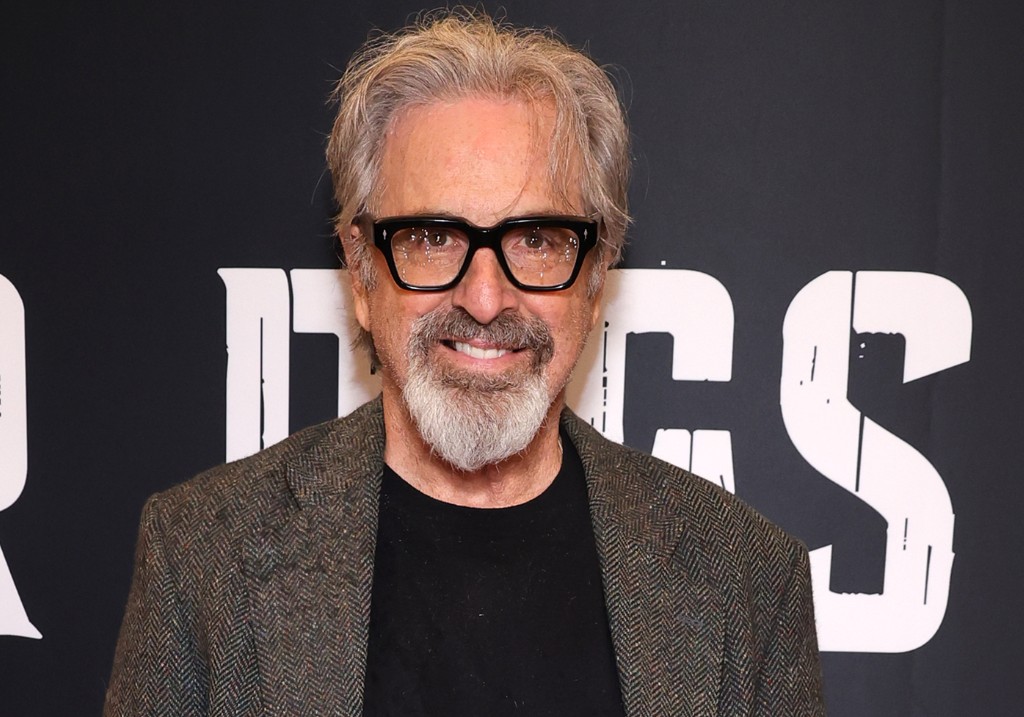
Robert Carradine, the actor who defined a generation of social outcasts through his role as Lewis Skolnick in Revenge of the Nerds, has died at the age of 71. His passing marks more than just the loss of a prolific performer from a legendary Hollywood dynasty; it signals the closing of a specific chapter in American comedy where the underdog was defined by pocket protectors rather than billion-dollar tech valuations. Carradine died peacefully, leaving behind a body of work that stretched from the gritty Westerns of the 1970s to the family-friendly suburban landscapes of the Disney Channel.
The Architect of the Modern Underdog
To understand Robert Carradine’s impact, one must look past the iconic, high-pitched laugh that became his trademark. Before he was the king of the nerds, Carradine was a product of the "New Hollywood" era. Growing up as the youngest son of John Carradine and brother to Keith and David, he was born into a form of acting royalty that favored raw, naturalistic performances over polished stardom.
His early career was defined by a quiet, simmering intensity. In 1978's Coming Home, he played a traumatized veteran with a vulnerability that few of his peers could match. It was this range that made his eventual pivot to comedy so effective. He didn't play Lewis Skolnick as a caricature. He played him as a person with genuine desires, frustrations, and an indomitable spirit.
The 1984 release of Revenge of the Nerds arrived at a specific cultural inflection point. The personal computer was entering the home, but the people who understood how to use them were still social pariahs. Carradine’s Skolnick was the vanguard of this shift. He gave a face to the marginalized, showing that intellect and tenacity could eventually dismantle the rigid social hierarchies of the American campus.
The Disney Renaissance and the Father Figure
Decades after his frat-house antics, Carradine found a second wind that introduced him to an entirely new demographic. As Sam McGuire in Lizzie McGuire, he became the quintessential "TV Dad" for the millennial generation.
This role was a complete departure from the counter-culture energy of his youth. As the father of Hilary Duff’s title character, he provided a steady, often comedic anchor for a show that dealt with the burgeoning complexities of adolescent life in the early 2000s. He brought a gentle, bumbling warmth to the role that resonated because it felt earned. He wasn't the distant, authoritative father of 1950s sitcoms; he was an approachable, modern parent trying to navigate a world that was changing faster than he was.
A Legacy Beyond the Screen
The Carradine name carries a heavy weight in Los Angeles history. It is a name synonymous with a certain type of restless, creative energy. Robert was often the glue in that family dynamic, maintaining a career that was remarkably free of the tabloid scandals that followed many of his contemporaries.
His professional longevity was a result of his adaptability. He moved between independent cinema, big-budget studio comedies, and reality television with an ease that suggested he cared more about the work than the prestige. In his later years, his hosting duties on King of the Nerds felt like a full-circle moment, a nod to the subculture he helped legitimize thirty years prior.
He understood that the "nerd" had won. The outsiders he portrayed in the eighties were now the CEOs and cultural gatekeepers of the twenty-first century. Carradine watched this evolution with a sense of quiet irony, knowing he had provided the blueprint for their acceptance.
The Quiet Reality of a Hollywood Veteran
Despite the fame, Carradine often spoke about the precarious nature of a life in the arts. He lived through the transition from film to digital, the collapse of the mid-budget movie, and the rise of streaming. Through it all, he remained a working actor in the truest sense of the word. He showed up. He hit his marks. He brought a sense of humanity to every frame, whether he was wearing a tuxedo or a taped-up pair of glasses.
His death reminds us that the archetypes we grew up with are disappearing. There is no one quite like Robert Carradine left in the industry—someone who could balance the weight of a prestige drama with the lighthearted timing of a Saturday morning sitcom. He was a bridge between the old guard of the studio system and the fragmented, niche-driven world of modern media.
The laugh is gone, but the defiance remains. Robert Carradine proved that you could be the butt of the joke and still win the game. He taught a generation that being different wasn't just okay; it was a superpower.
Check your local listings for retrospectives on the Carradine filmography this week.


