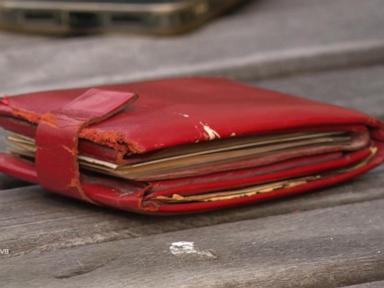
You rip out an old plaster wall. Dust clouds choke the room. Then something heavy clatters onto the subfloor. It's not a stray pipe or a handful of rusted nails. It's a worn leather wallet, tucked deep inside the studs since the mid-century.
Most people just toss old trash they find behind drywall. But a forgotten wallet changes the vibe of a construction site immediately.
Renovations always expose weird things. Old newspapers used for insulation. Soda bottles from the fifties. Sometimes, you strike genuine history. When a home renovation unearths a lost wallet packed with vintage family photos, it forces a hard stop. You aren't just swinging a sledgehammer anymore. You're holding a physical bridge to someone else's forgotten life.
The Reality of What Lurks Behind Your Walls
Old houses hold secrets. They breathe them out the moment you start cutting into their bones.
Construction crews and DIY homeowners find strange artifacts all the time. Leather goods slip down floor registers. They slide behind baseboards during expansions. They fall into open wall cavities before the drywall goes up.
Most of these items vanish into landfill bags without a second glance. That's a massive mistake. A vintage wallet acts as a time capsule. It holds paper currency that no longer spends. It contains driver licenses with typography from a different era. It carries dry-cleaned receipts that cost pocket change.
I've watched contractors drop their tools the second old photographs slide out of a cracked leather fold. The atmosphere in the room shifts. That impersonal drywall dust suddenly smells like someone else's Sunday afternoon in 1954.
Why Old Photos Hit Different
Digital storage ruined our connection to physical memories. We have fifty thousand pictures on our phones right now. We rarely look at them.
A physical photograph found in a lost wallet carries raw weight. The corners are dog-eared. The paper has that distinct vintage texture. You're staring at real people who walked the exact floorboards you're currently standing on.
Think about what usually sits inside a pocketbook:
- Snapshots of children who are now senior citizens or gone entirely.
- Faded pictures of pets that lived a lifetime ago.
- Little love notes scribbled on ticket stubs.
These aren't posed studio portraits. They're candid, messy, and human. When a renovation project drags these images back into the light, you feel a strange urge to protect them. You wipe away the construction grime with your thumb. You wonder who dropped it. You wonder if they panicked when it went missing.
The Detective Work Nobody Talks About
Finding a time capsule in your subfloor is thrilling. Tracking down the original owner or their descendants is where the real work begins.
You can't just drop the wallet on a social media feed and hope for the best. Privacy laws and internet trolls make that messy. Instead, you have to play amateur archivist.
Start with the obvious clues. Is there an old ID card? Does the wallet contain a library card or a dry-cleaning receipt with a surname? Local census records and digital newspaper archives become your best friends.
If you want to track down a family from an old wallet, follow these steps:
- Document everything. Take high-resolution photos of every single card, receipt, and picture before the fragile paper starts degrading in the fresh air.
- Search local property records. Pull the deed history of your house to match surnames with the dates printed on the receipts inside the leather pouch.
- Connect with local historical societies. Small town historians live for this kind of detective work. They often have local directories from decades past.
- Use genealogical databases. Sites like Ancestry or public obituary databases can link a forgotten name to living grandchildren.
It takes patience. Sometimes you hit a dead end. The family moved away fifty years ago. The house changed hands six times since then. Even if you never find the living relatives, just knowing their story deserves respect changes how you view your property.
What To Do When You Find History in Your House
You're holding someone's lost history. Now what?
Don't throw it in the dumpster with the drywall scraps. Don't leave it sitting on a dusty windowsill where humidity can ruin the paper.
If the items belong to a previous owner of your specific home, look into returning them. People lose their minds when you hand them a piece of their parents' or grandparents' youth that vanished before they were born. It's an emotional reconnection that money can't buy.
If the previous owners are long gone and unfindable, local history museums or libraries often want these items. They love authentic ephemera that tells the day-to-day story of the neighborhood.
Houses are just wood, nails, and paint until we fill them with our lives. Finding a lost wallet reminds you that every room you remodel once echoed with someone else's arguments, quiet mornings, and ordinary routines. Treat the discovery with the weight it deserves before you finish putting up the new drywall.