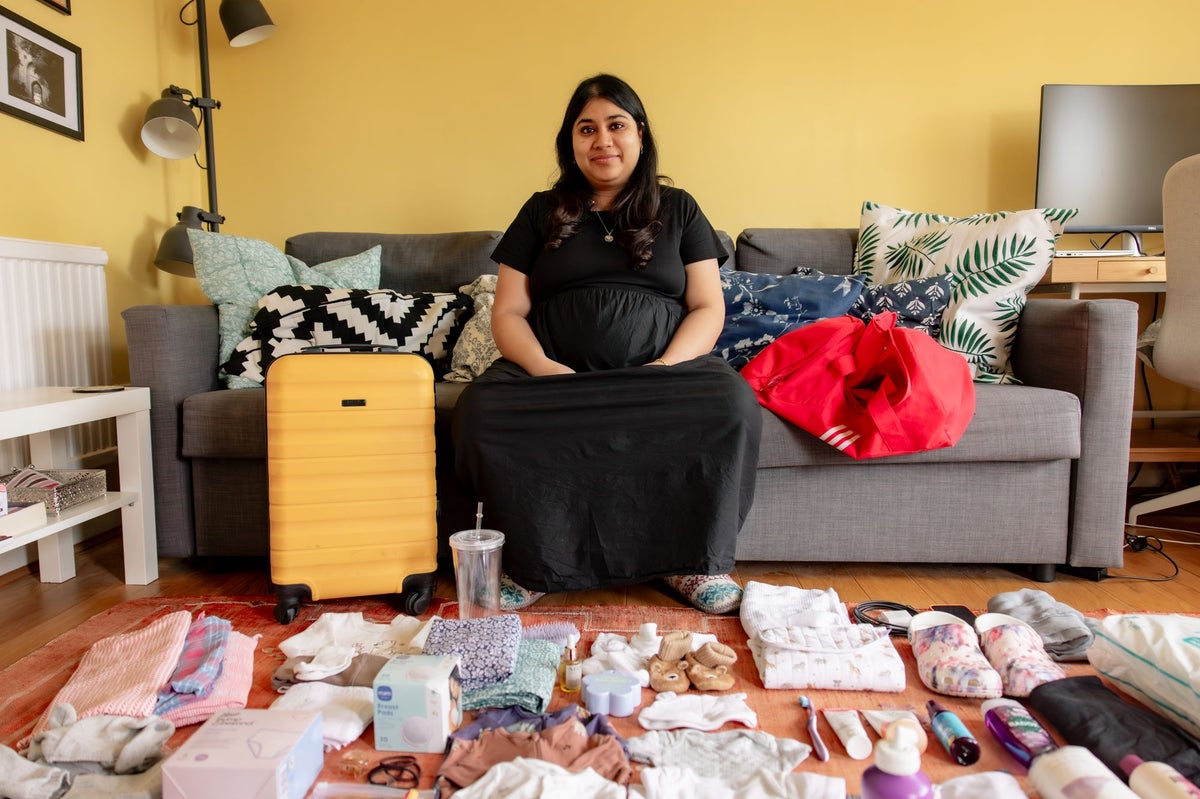
The room was so quiet I could hear the rhythmic hiss of the hospital’s ventilation system. My newborn son was a warm, heavy weight against my chest, his skin smelling of that strange, sweet mix of vernix and hope. I looked at the plastic pitcher of water on my bedside table. It was clear. It was cold. It was safe. I drank it without thinking. I bathed him in a porcelain tub filled with liquid that had been treated, filtered, and piped through a miracle of modern engineering.
Then I looked at my phone.
A photo of a woman named Amina—a name I’ve given her to ground the statistics in a human face—flashed across the screen. She lives in a village where the "maternity ward" is a concrete room with a single lightbulb that flickers when the wind blows. There is no sink. There is no sterile scrub for the midwife. There is only a plastic yellow jerrycan filled with water from a creek two miles away.
That water is the color of weak tea. It is teeming with things that want to kill a newborn.
This is not a story about charity. It is a story about the fundamental betrayal of the most vulnerable moment in human existence. We talk about medical breakthroughs and the future of healthcare, but we are ignoring a basement-level requirement for life. One in four healthcare facilities globally lacks basic water services. That sounds like a dry data point until you realize it means 1.7 billion people are seeking medical care in places where they cannot even wash their hands.
The Arithmetic of Infection
When a child is born, their immune system is a blank slate. They are entering a world of bacteria, and their only defense is the environment we provide. In many parts of Sub-Saharan Africa and Southeast Asia, that environment is a biological minefield.
Imagine the process of labor. It is visceral. It is bloody. It requires constant cleaning to prevent the transfer of pathogens from the mother, the floor, or the hands of the birth attendant to the child’s umbilical stump. Sepsis is a quiet word for a loud, violent death. It accounts for a massive portion of neonatal mortality, and yet it is almost entirely preventable with a bar of soap and a liter of clean water.
The tragedy is the simplicity. We aren't waiting for a complex gene therapy or a billion-dollar vaccine to save these lives. We are waiting for pipes.
I remember the sharp, stinging smell of antiseptic in my own delivery room. I hated it at the time; it felt clinical and cold. Now, I see that smell as a luxury. For a mother in a rural clinic in Ethiopia, the smell of birth is the smell of dust and the metallic tang of untreated river water. If the midwife has to choose between using that water to wash her hands or saving it to hydrate the laboring woman, someone loses. Usually, it is the baby.
The Invisible Labor of the Jerrycan
We often frame the water crisis as a logistical failure, but it is actually a massive tax on female time and dignity.
In these communities, the burden of water collection falls almost exclusively on women and girls. A pregnant woman may spend her final weeks of gestation carrying twenty liters of water on her back, a weight of roughly forty-four pounds. She is walking miles to ensure that when her contractions start, there is at least something to wash the blood away.
Consider the physical toll. The strain on the pelvic floor. The caloric exhaustion in a body already diverted toward growing a human brain. Then, when she arrives at the clinic, she finds that the facility itself expects her to provide the water. If she didn't bring enough, the staff might have to reuse soiled linens or skip hand-washing between patients.
It is a cycle of systemic neglect that treats water as an optional add-on rather than a clinical necessity. We would never dream of a hospital without electricity or a surgeon without gloves, yet we accept the existence of "health centers" that are effectively dry. This isn't just a lack of resources; it’s a failure of imagination. We have accepted a two-tiered reality where some mothers get a sterile sanctuary and others get a gamble with a dirty glass.
The Cost of a C-Section Without a Sink
Surgery is a miracle of the 20th century. A C-section can be the difference between a celebration and a funeral. But a C-section in a facility without running water is a terrifying proposition.
The surgeon’s tools must be sterilized. The incision site must be cleaned. The post-operative recovery requires hydration and hygiene to prevent the mother from developing an infection that could turn fatal in forty-eight hours. When water is scarce, the "sterile field" is a myth.
I recently read a report about a clinic where the nurses had to buy bottled water with their own meager salaries just to clean the delivery tables. They were choosing between their lunch and their patients' safety. That is the reality behind the "unmet needs" statistics. It’s a nurse standing over a woman in pain, looking at a dry tap and feeling the weight of a preventable catastrophe.
The numbers are staggering. We are looking at nearly 300,000 women dying annually from pregnancy and childbirth-related complications. Many of these deaths are linked directly to the lack of "WASH"—Water, Sanitation, and Hygiene. It’s an unsexy acronym for a life-or-death reality.
The Ripple Effect of a Single Well
When a clinic finally gets a reliable, clean water source, the change isn't just medical. It’s psychological.
Women who previously avoided clinics—rightly fearing they were places of infection—start to show up for prenatal care. They trust the system because the system finally respects their basic biology. The nurses stop spending half their shifts hauling water and start spending it on patient care. The mortality rate doesn't just dip; it plunges.
This isn't a "global south" problem that exists in a vacuum. In an age of global travel and migrating pathogens, a lack of hygiene in a rural clinic halfway across the world is a threat to everyone. Antimicrobial resistance (AMR) thrives in places where antibiotics are used as a substitute for clean water. When we can't wash our hands, we use drugs. When we over-use drugs, the bacteria learn how to fight back.
The dirty water in a distant maternity ward is the breeding ground for the superbugs that will eventually find their way into our own hospitals. We are connected by more than just empathy; we are connected by our shared biology.
The Weight of the Plastic Cup
Back in my quiet room, I watched my son sleep. I thought about the sheer volume of water I had used in just twenty-four hours. Flushing the toilet. Washing my hands after every diaper change. The shower that helped me feel human again after the exhaustion of labor.
It felt like a heist. I had stolen this safety from a world that couldn't provide it to everyone.
But guilt is a useless emotion unless it’s channeled into a demand for change. The solution isn't just more "aid" in the traditional sense of dropping off crates of bottled water. It’s about infrastructure. It’s about insisting that no healthcare facility—anywhere—is certified to operate without a functional, sustainable water source.
We have the technology. We have the money. What we lack is the collective will to admit that a woman giving birth in a puddle of contaminated water is an indictment of our entire civilization.
As I poured another glass of water from the bedside pitcher, I realized that the most important thing in that room wasn't the high-tech heart monitor or the specialized bassinet. It was the simple, clear liquid swirling in the plastic cup.
Until every mother has that glass of water, none of us are truly safe. The first breath of a child should be a moment of pure joy, not the beginning of a countdown against a preventable infection. We owe them at least a clean start. We owe them the dignity of a wash.
The next time you turn on a tap and see that clear stream hit the sink, remember that for millions, that sight would be a miracle. Then ask yourself why we’ve decided that some miracles are only for the few.