The Dust of Luanda
The heat in Luanda does not merely sit on your skin. It presses. It is a humid, heavy weight that smells of salt spray from the Atlantic and the charcoal fires of a city that never quite sleeps. On the tarmac of Quatro de Fevereiro Airport, the air shimmers, distorting the horizon until the arriving plane looks less like a machine and more like a white bird descending into a furnace.
When Pope Leo stepped onto the red carpet, he wasn't just a religious leader arriving for a diplomatic visit. He was a man carrying the crushing weight of a billion expectations.
For decades, the Vatican viewed Africa as a "mission territory," a distant frontier to be managed. But the tectonic plates of faith have shifted. The center of gravity is no longer in the ornate cathedrals of Europe, where pews sit empty and the air feels thin with secularism. The heart is here. It beats in the dusty streets of Angola, in the crowded markets, and in the hearts of millions who see the papacy not as a distant bureaucracy, but as a lifeline.
Leo knows this. You could see it in the way he paused at the bottom of the stairs. He didn't rush to the microphones. He breathed in the Angolan air, squinting against the fierce southern sun, acknowledging a reality that his predecessors had only begun to grasp: the future of his office is written in the soil of the Global South.
A Tale of Two Luandas
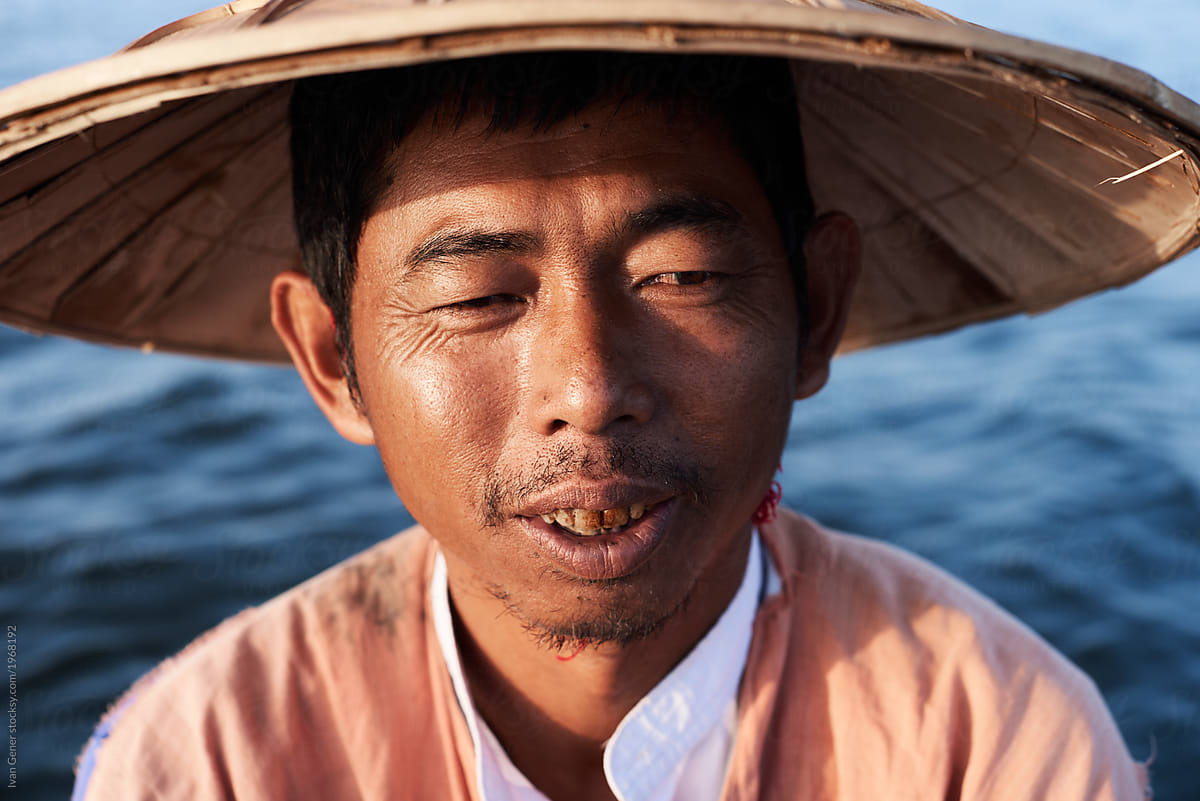
Consider a man named Mateo. He is hypothetical, but his life is the lived reality for thousands of Angolans standing behind the security barricades. Mateo is a fisherman. He wakes at four in the morning to push a wooden boat into the surf. He struggles with rising fuel costs and the dwindling yields of a coastline battered by industrial overfishing. To Mateo, the Pope's arrival isn't about geopolitical maneuvering or the "newly forceful voice" of the Holy See.
It is about being seen.
Angola is a country of staggering contradictions. It is rich in oil and diamonds, yet its wealth often feels like a ghost—something talked about in boardrooms but never felt in the pockets of the people in the musseques, the sprawling informal settlements. When a global figure of Leo’s stature arrives, the invisible stakes are suddenly thrust into the light.
The Pope’s visit is a high-wire act of diplomacy. On one side, he must engage with a government that has long been criticized for its grip on power and wealth. On the other, he must speak to the Mateos of the world—the ones who feel forgotten by their own leaders.
During his opening address at the Presidential Palace, the shift in tone was unmistakable. Gone was the cautious, purely spiritual rhetoric of the past. Leo spoke of "economic justice" and the "scourge of corruption" with a bluntness that made the gathered dignitaries shift in their seats. This is the "forceful voice" the headlines mention, but the force doesn't come from anger. It comes from a realization that the Church cannot survive if it ignores the hunger of its flock.
The Invisible Stakes of the Soil
Why Angola? Why now?
The math is simple and brutal. By 2050, one in every four people on Earth will be African. The Catholic Church is growing here faster than anywhere else. If Leo fails to address the specific anxieties of this continent—the climate crisis, the debt traps, the lingering scars of civil war—he risks becoming a relic.
He is fighting for the soul of the institution.
The struggle is visible in the eyes of the youth. Angola is a young country. More than half the population is under the age of 20. These are kids who grew up with smartphones and social media, even if they don't have consistent running water. They are not content with "thoughts and prayers." They want a Pope who understands why their brothers are drowning in the Mediterranean trying to reach Europe. They want a Pope who speaks back to the powers that treat Africa as a warehouse of raw materials.
Leo’s strategy is a radical departure from the "Euro-centric" model. He is positioning himself as the chief advocate for the marginalized. In doing so, he is turning the papacy into a shield.
The Sound of One Million Voices
The highlight of the tour wasn't the private meetings in air-conditioned offices. It was the open-air Mass on the outskirts of the city.
Imagine a sea of people. A million bodies pressed together under a sun that refuses to relent. The sound is a physical force—hymns sung in Portuguese and local languages, the rhythm of drums that seems to vibrate in your very marrow.
In the middle of this, Leo looked small. Clad in white, standing on a raised platform, he was a speck against the vastness of the crowd. But when he spoke, the silence was absolute. He didn't talk about complex theology. He talked about the dignity of work. He talked about the sacredness of the family in the face of poverty.
He used a metaphor that resonated deeply with the coastal crowd. He compared the Church to a net. A net, he said, is useless if the ropes are frayed and the knots are loose. To catch the fish—to save the people—the net must be strong, and every strand must hold its weight.
The power of the moment wasn't in the words themselves, but in the recognition. For a few hours, the people of Luanda weren't just a statistic in a development report. They were the center of the world.
The Risk of the Radical
There is a danger in this new, forceful Leo. By stepping so firmly into the political and economic arena, he invites a backlash from those who believe the Pope should stay in the sacristy. In Rome, there are whispers of "politicization." In Washington and Beijing, analysts watch his movements with a wary eye, wondering if he is building a new "Third Way" that rejects both raw capitalism and state authoritarianism.
But Leo seems indifferent to the critics in the north. He is looking south.
He understands that the old ways of doing things are broken. The standard "diplomatic visit" is a performance. This visit felt like a reclamation. By choosing Angola—a country still finding its feet after decades of conflict—he is signaling that the Vatican's priorities have been inverted. The last shall be first. It is a biblical concept, but in the hands of this Pope, it feels like a revolutionary manifesto.
The Empty Tarmac
The plane eventually leaves. The red carpets are rolled up, and the security barricades are hauled away. The city of Luanda returns to its frantic, beautiful, difficult rhythm.
But something remains.
For the fisherman Mateo, the visit doesn't mean his boat is suddenly faster or the fish are more plentiful. But perhaps, as he pushes off into the Atlantic tomorrow morning, he feels a little less alone. He heard a man from the other side of the world, a man who wears the ring of the fisherman, say his name. Not literally, but in the acknowledgment of his struggle.
Leo’s "forceful voice" isn't just about the strength of his words. It’s about where he chooses to stand when he says them. He stood in the dust. He stood in the heat. He stood where the future is being born, messy and loud and full of hope.
The White Shepherd has left the building, but the scent of the sheep is still on his clothes. He carries the dust of Luanda back to the marble halls of the Vatican, a reminder that the world is much larger, much poorer, and much more alive than the view from a Roman window suggests.
The sun sets over the Atlantic, casting long shadows across the musseques. The lights of the city flicker on, powered by the same oil that creates the billionaires and ignores the beggars. In the quiet after the storm of the papal visit, the question lingers: will the world listen to the voice that just spoke from the dust, or will it wait for the next white bird to land before it remembers that Africa exists?
The ocean continues to roar, indifferent to popes and kings, yet the shore has been marked.